
Raw: Toss into salads (tastes like lemony spinach with a cucumber crunch)
Sautéed: Cook like spinach with garlic and olive oil
Pickled: Preserve for tangy garnishes
Smoothies: Blend into green drinks
Garnish: Top tacos, soups, or grain bowls
✅ Tip: Look for bright green, plump stems—avoid wilted or yellowed plants.
⚠️ Important Notes
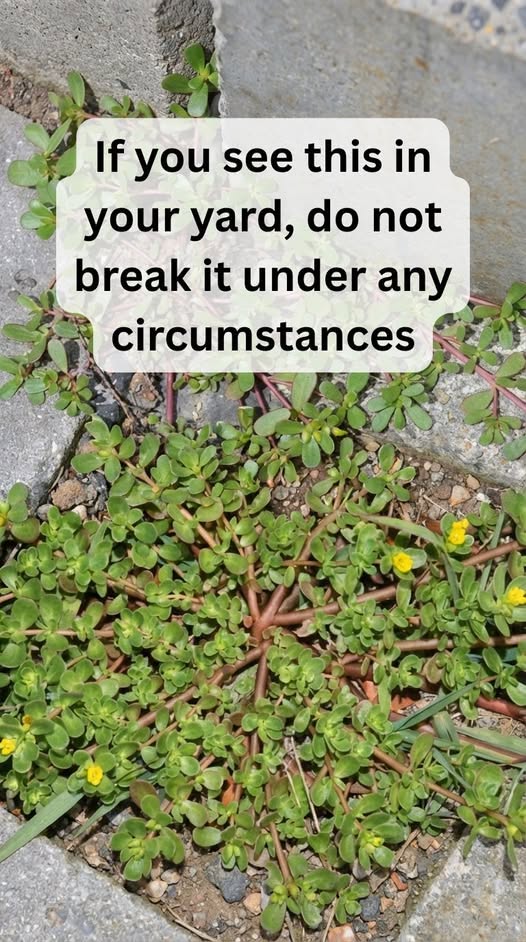
Positive ID required: Ensure it’s true purslane (smooth, fleshy leaves; red stems; grows low to ground).
→ Do not confuse with spurge (toxic look-alike with milky sap).
Avoid roadside or sprayed areas: Harvest only from clean, chemical-free zones.
Moderation: High oxalate content—limit if prone to kidney stones.
The Bottom Line
Purslane isn’t a weed—it’s a gift from the earth. Resilient, nutritious, and free for the taking, it thrives where other plants fail.
So next time you see it spreading along your walkway, don’t pull it. Harvest it. Taste it. Thank it.
“The most healing foods often grow where we least expect them.”
Have you foraged or eaten purslane? Share your experience below—we’re all learning to see abundance in unexpected places! 🌱✨
ADVERTISEMENT

