
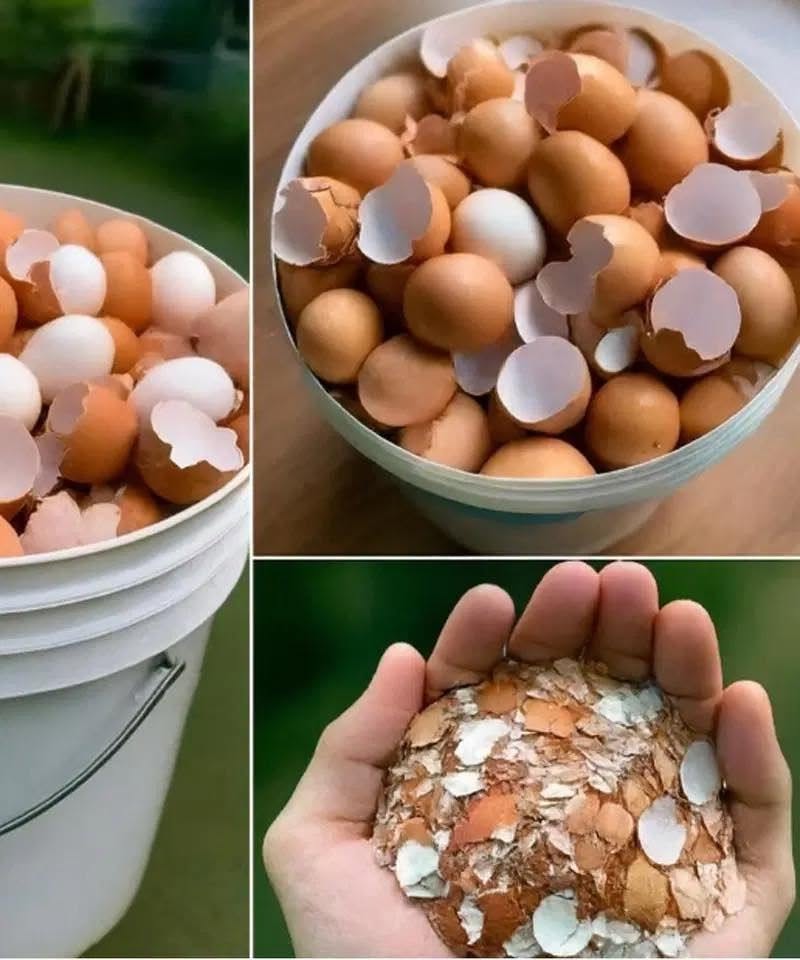
Reality: There is no scientific evidence that eggshell water treats or prevents any disease. While calcium is essential for bone health, drinking boiled shell water delivers an unmeasured, inconsistent dose—and cannot replace medical treatment.
⚠️ Claim: “Eggshell powder strengthens bones”
Reality: Eggshells are a source of calcium carbonate. Some small studies suggest calcium from eggshells may support bone density when properly processed and dosed—but:
The calcium must be finely ground to be absorbable
Bioavailability depends on stomach acid and vitamin D status
Unprocessed shells pose risks (see below)
📊 Research note: A 2003 study in the International Journal of Clinical Pharmacology Research found that eggshell calcium plus vitamin D improved bone markers in postmenopausal women—but this used pharmaceutical-grade, sterilized powder, not homemade preparations.
❌ Claim: “Eggshell tea detoxes your body”
Reality: Your liver and kidneys detox your body—not eggshells. No credible evidence supports “detox” claims for eggshell water.
⚠️ Claim: “Eggshells relieve joint pain”
Reality: Calcium supports bone health, but joint pain (like arthritis) involves complex inflammation and cartilage issues. Calcium alone won’t resolve it—and self-treating may delay effective care.
✅ Legitimate Uses for Boiled Eggshells (Backed by Evidence)
While eggshells aren’t a cure-all, they do have practical, science-supported applications:
1. Garden & Plant Care
Use
How It Helps
How to Do It
Soil amendment
Adds calcium to prevent blossom-end rot in tomatoes, peppers
Crush boiled, dried shells; mix into soil
Pest deterrent
Sharp edges deter slugs and snails
Sprinkle crushed shells around plant bases
Seed starters
Biodegradable pots with added calcium
Fill half-shells with soil; plant seeds; transplant whole
🌱 Pro tip: Boil shells first to kill bacteria, then dry and crush for garden use.
2. Homemade Calcium Supplement for Pets (With Vet Approval)
Some holistic vets recommend finely ground, sterilized eggshell powder as a calcium source for homemade pet diets.
Critical: Must be vet-approved, precisely measured, and paired with phosphorus for balance.
⚠️ Never guess dosages—improper calcium/phosphorus ratios can harm pets.
3. Natural Cleaning Scrub
Crushed eggshells + baking soda = gentle abrasive for pots, pans, or grout.
Boiling first ensures shells are sanitized.
4. Compost Booster
Adds calcium to compost, supporting microbial health and soil structure.
Crush shells to speed decomposition.
⚠️ Risks of Consuming Eggshells (Why Caution Is Essential)
Risk
Why It Matters
How to Avoid
Salmonella contamination
Raw shells can carry harmful bacteria
Always boil shells 10+ minutes before any use
Sharp fragments
Improperly ground shells can injure mouth, throat, or digestive tract
Use a high-powered blender or coffee grinder; sift powder finely
Heavy metal exposure
Hens’ diets can lead to trace lead, cadmium, or arsenic in shells
Source shells from trusted, organic, or backyard hens; avoid unknown commercial sources
Calcium overload
Excess calcium can cause kidney stones, constipation, or interfere with iron/zinc absorption
Don’t supplement without medical guidance; know your total daily intake
Medication interactions
Calcium can bind to certain drugs (antibiotics, thyroid meds, bisphosphonates)
Take medications 2–4 hours apart from calcium sources
🚫 Never consume:
Raw or lightly rinsed eggshells
Shells from unknown sources (e.g., restaurant waste)
Large, unground fragments
Eggshell water as a replacement for medical care
🥄 If You Choose to Use Eggshells: A Safe Preparation Guide
Only attempt this if you’ve discussed it with your healthcare provider.
Step 1: Source Safely
Use shells from eggs you’ve cracked yourself (not pre-cracked cartons)
Prefer organic, pasture-raised, or trusted local sources
Step 2: Clean & Boil
Rinse shells under warm water to remove residue
Place in a pot; cover with water
Boil vigorously for 10 minutes to kill bacteria
Drain and spread on a baking sheet
Step 3: Dry Thoroughly
Air-dry 24 hours OR bake at 200°F (95°C) for 15 minutes until completely dry
Moisture encourages mold growth
Step 4: Grind to Fine Powder
Use a clean coffee grinder, high-speed blender, or mortar and pestle
Grind until powder feels like flour—no gritty particles
Sift through a fine mesh strainer; re-grind any coarse bits
Step 5: Store Properly
Keep in an airtight container in a cool, dark place
Label with date; use within 1–2 months
If Using as a Supplement (Under Medical Guidance)
Typical studied dose: ½ tsp powder (~400–500 mg calcium) per day
Always take with food and vitamin D for absorption
Track total calcium intake from all sources (food + supplements)
💡 Better alternative: If you need calcium, food sources (dairy, leafy greens, fortified foods) or standardized supplements offer safer, more consistent dosing.
For Complete Cooking STEPS Please Head On Over To Next Page Or Open button (>) and don’t forget to SHARE with your Facebook friends
ADVERTISEMENT

