
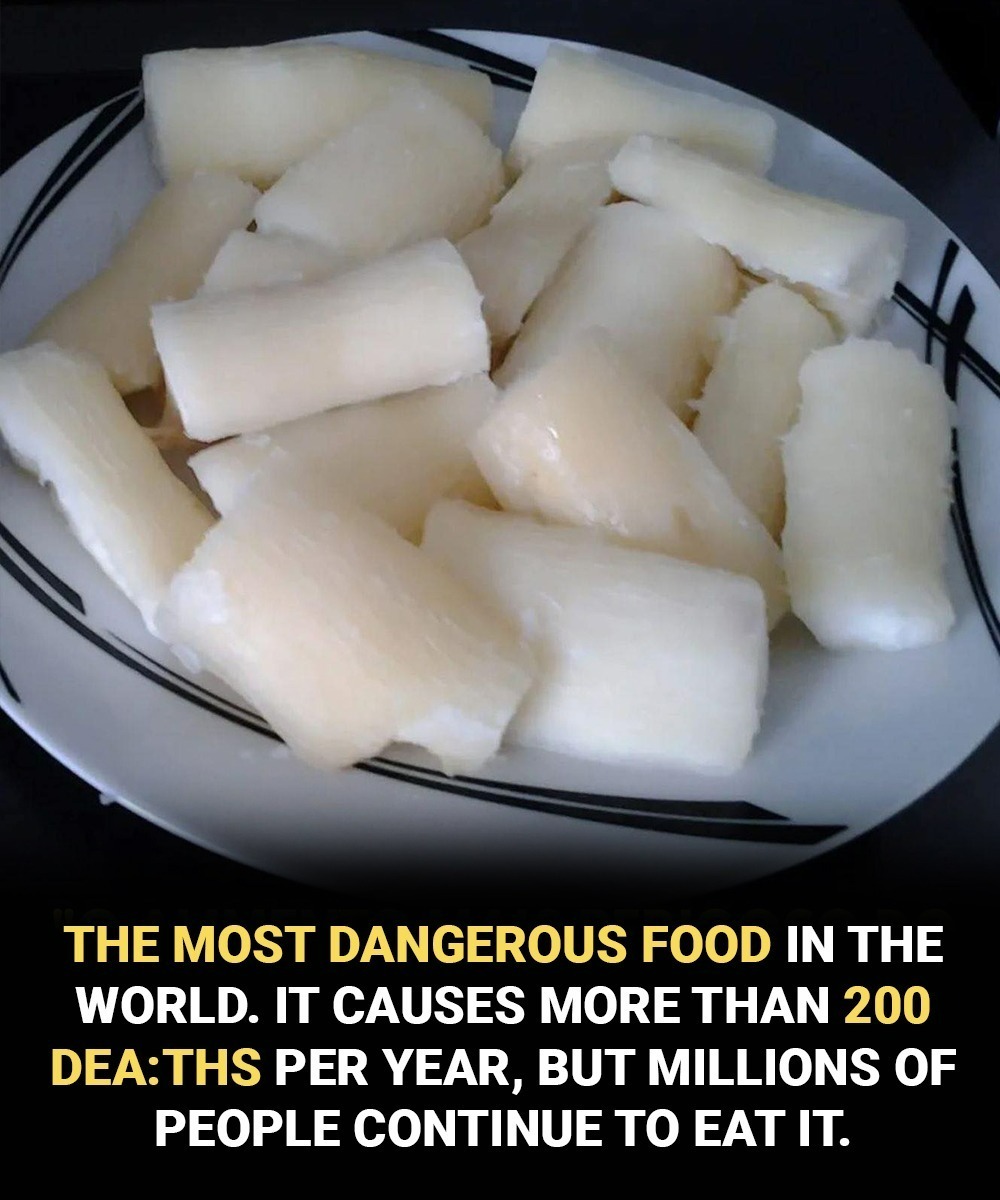
Peel thickly (toxins concentrate near the skin)
Soak in water for 1–2 hours
Boil vigorously for at least 20–30 minutes in open pot (allows cyanide gas to escape)
Discard cooking water—never reuse
❌ Never eat raw or undercooked cassava—even “sweet” varieties contain some cyanide.
2. Fermentation + Drying (For bitter cassava)
Used in West Africa to make gari or fufu:
Grate roots
Ferment in sacks for 2–7 days (microbes break down toxins)
Press to remove liquid (which contains cyanide)
Dry or roast to finish
This process reduces cyanide by over 90%.
3. Soaking + Sun-Drying
Common in South America and Southeast Asia:
Soak peeled roots in water for 3–5 days
Change water daily
Sun-dry until hard, then grind into flour
🌞 Sunlight and airflow are critical—they help volatilize cyanide gas.
⚠️ Red Flags: When Cassava Isn’t Safe
Avoid cassava dishes that:
Taste bitter or pungent (a sign of residual cyanide)
Are raw, lightly steamed, or served in closed pots (traps cyanide gas)
Use recycled cooking water in soups or sauces
Come from unknown sources (especially bitter varieties sold as “fresh root”)
🚫 Never juice raw cassava or blend it into smoothies—this is extremely dangerous.
🧒 Who’s Most at Risk?
Children: Lower body weight = higher toxin impact
Who’s Most at Risk?
Children: Lower body weight = higher toxin impact
Pregnant women: Cyanide may affect fetal development
Malnourished individuals: Low protein intake reduces the body’s ability to detoxify cyanide
People relying on cassava as a primary food source during droughts or crises
🌾 Critical: A diet rich in protein (especially sulfur-containing amino acids) helps the body neutralize cyanide. Never eat cassava as your only food.
🛒 Is Store-Bought Cassava Safe?
Yes—in most cases:
Tapioca pearls, cassava flour, and frozen peeled cassava sold in U.S., EU, and Canadian markets are pre-processed and safe
Commercial producers follow strict detox protocols
Always follow package instructions for cooking
✅ Tip: Look for products labeled “sweet cassava” or “pre-soaked.” When in doubt, boil longer.
💬 Final Thought: Respect the Root
Cassava isn’t “bad”—it’s a lifeline for millions in a changing climate.
But like many powerful foods (almonds, kidney beans, bamboo shoots), it demands respect and proper handling.
By honoring traditional wisdom and modern science, we can enjoy cassava’s earthy flavor and nutritional benefits—safely, sustainably, and gratefully.
Home⚠️ Cassava: The Life-Saving Root That Can Be Toxic If Prepared Wrong (Here’s How to Stay Safe)
⚠️ Cassava: The Life-Saving Root That Can Be Toxic If Prepared Wrong (Here’s How to Stay Safe)
Discover more
Buttermilk
Cake
Butter
Peel thickly (toxins concentrate near the skin)
Soak in water for 1–2 hours
Boil vigorously for at least 20–30 minutes in open pot (allows cyanide gas to escape)
Discard cooking water—never reuse
❌ Never eat raw or undercooked cassava—even “sweet” varieties contain some cyanide.
2. Fermentation + Drying (For bitter cassava)
Discover more
Dairy & Eggs
Baked Goods
Food & Drink
Used in West Africa to make gari or fufu:
Grate roots
Ferment in sacks for 2–7 days (microbes break down toxins)
Press to remove liquid (which contains cyanide)
Dry or roast to finish
This process reduces cyanide by over 90%.
3. Soaking + Sun-Drying
Common in South America and Southeast Asia:
Soak peeled roots in water for 3–5 days
Discover more
Herbs & Spices
Vinegar
vinegar
Change water daily
Sun-dry until hard, then grind into flour
🌞 Sunlight and airflow are critical—they help volatilize cyanide gas.
⚠️ Red Flags: When Cassava Isn’t Safe
Avoid cassava dishes that:
Taste bitter or pungent (a sign of residual cyanide)
Discover more
eggs
Condiments & Dressings
Restaurant
Are raw, lightly steamed, or served in closed pots (traps cyanide gas)
Use recycled cooking water in soups or sauces
Come from unknown sources (especially bitter varieties sold as “fresh root”)
🚫 Never juice raw cassava or blend it into smoothies—this is extremely dangerous.
🧒 Who’s Most at Risk?
Children: Lower body weight = higher toxin impact
Discover more
Restaurants
Eggs
Cake
Pregnant women: Cyanide may affect fetal development
Malnourished individuals: Low protein intake reduces the body’s ability to detoxify cyanide
People relying on cassava as a primary food source during droughts or crises
🌾 Critical: A diet rich in protein (especially sulfur-containing amino acids) helps the body neutralize cyanide. Never eat cassava as your only food.
🛒 Is Store-Bought Cassava Safe?
Yes—in most cases:
Tapioca pearls, cassava flour, and frozen peeled cassava sold in U.S., EU, and Canadian markets are pre-processed and safe
Commercial producers follow strict detox protocols
Always follow package instructions for cooking
✅ Tip: Look for products labeled “sweet cassava” or “pre-soaked.” When in doubt, boil longer.
💬 Final Thought: Respect the Root
Cassava isn’t “bad”—it’s a lifeline for millions in a changing climate.
But like many powerful foods (almonds, kidney beans, bamboo shoots), it demands respect and proper handling.
By honoring traditional wisdom and modern science, we can enjoy cassava’s earthy flavor and nutritional benefits—safely, sustainably, and gratefully.
🌱 Because the difference between poison and nourishment is often just knowledge—and care.
Found this eye-opening?
👉 Save this guide for your next international market trip
👉 Share it with a gluten-free baker, world cuisine lover, or global health advocate
👉 Comment below: Have you cooked cassava at home?
Disclaimer: This article is for educational purposes only. Always properly prepare cassava using trusted methods. If you suspect cyanide poisoning (symptoms: dizziness, headache, nausea, rapid breathing), seek emergency medical help immediately.
ADVERTISEMENT

