
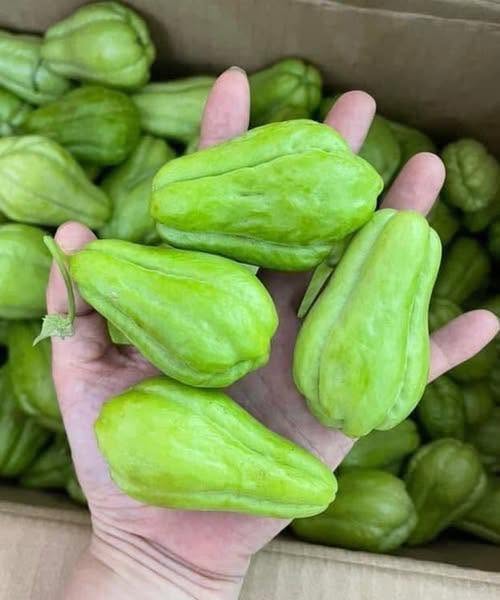
Taste: Mild, slightly sweet, crisp texture (similar to jicama or water chestnut when raw; tender like summer squash when cooked).
Culinary uses: Eaten raw in salads, sautéed, steamed, boiled, roasted, stuffed, or added to soups and stews. In some cultures, chayote is also used in desserts.
Nutritional profile (per 1 cup cooked, about 160g):
Calories: 38-40
Fiber: 3-4g
Vitamin C: 25% DV
Folate: 30% DV
Vitamin K: 15% DV
Vitamin B6: 10% DV
Potassium: 8% DV
Manganese: 15% DV
Copper: 12% DV
Zinc: 6% DV
Chayote is very low in calories, fat-free, cholesterol-free, and sodium-free (unless you add salt). It’s also a good source of antioxidants, including flavonoid glycosides and phenolic compounds.
5 Surprising Changes Your Body May Experience When You Eat Chayote Regularly
Let me walk you through what the research says.
1. Your Blood Pressure May Improve (Heart Health Support)
Chayote is naturally rich in potassium, a mineral that helps counteract the effects of sodium and relaxes blood vessel walls. High potassium intake is associated with lower blood pressure and reduced risk of stroke.
What the science says: One cup of chayote contains about 8% of your daily potassium needs. While not a dramatic amount, when combined with a balanced diet, regular chayote consumption contributes to overall potassium intake.
What you may notice: Over time, you might see more stable blood pressure readings, especially if you’re also reducing sodium intake.
Who benefits most: People with hypertension or pre-hypertension.
For Complete Cooking STEPS Please Head On Over To Next Page Or Open button (>) and don’t forget to SHARE with your Facebook friends
ADVERTISEMENT

