
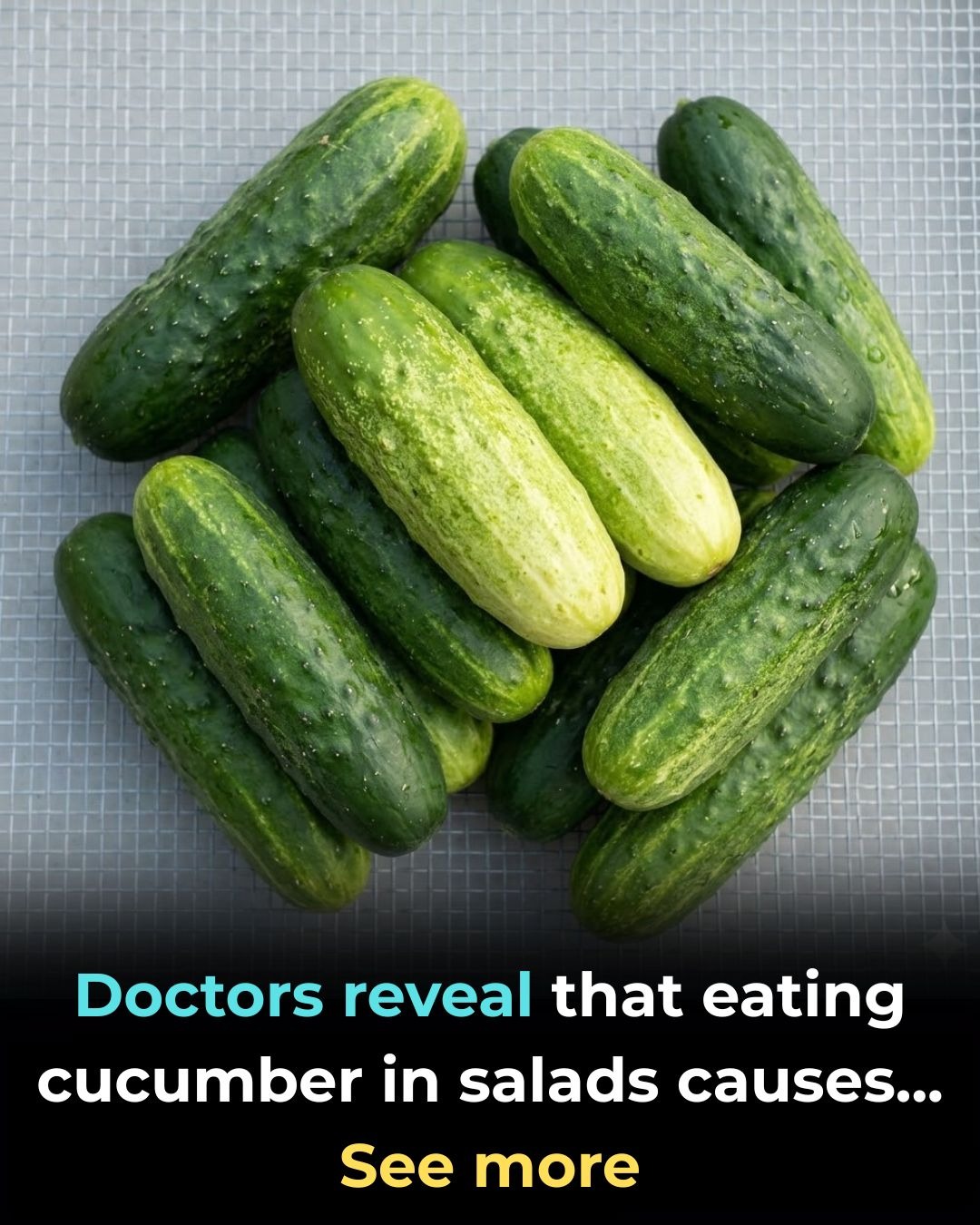
Choose Wisely
Type
Best For
Notes
Standard slicing cucumbers
Salads, snacks, infused water
Often have waxed skin; peel if preferred or if concerned about pesticides
English/Persian cucumbers
Eating with skin; delicate dishes
Thinner skin, fewer seeds, often sold unwaxed
Pickling cucumbers
Fermented foods, quick pickles
Smaller, firmer; great for probiotic-rich fermented pickles
Prep Tips for Maximum Nutrition
✅ Wash well: Scrub under running water to remove dirt and potential residues.
✅ Keep the skin on: Most fiber and many nutrients are concentrated in or just under the skin.
✅ Slice just before serving: Prevents oxidation and maintains crisp texture.
✅ Pair with healthy fats: Add olive oil, avocado, or nuts to help absorb fat-soluble nutrients.
✅ Try fermented: Homemade lacto-fermented cucumber pickles add beneficial probiotics.
Flavor Boosters (Without Compromising Health)
Addition
Why It Works
Fresh herbs (dill, mint, basil)
Add brightness without extra calories
Lemon juice or vinegar
Enhances flavor; may help with nutrient absorption
Garlic or onion
Adds savory depth and additional antioxidants
A pinch of salt
Brings out natural flavors; use sparingly if monitoring sodium
Greek yogurt dressing
Adds protein and creaminess without heavy mayo
⚠️ Considerations and Cautions
Cucumbers are safe and beneficial for most people, but a few considerations are worth noting.
Potential Concerns
Issue
Who Should Pay Attention
Practical Guidance
Pesticide residues
Anyone concerned about chemical exposure
Choose organic when possible; wash thoroughly; peel if desired
Oxalates
Individuals with a history of calcium-oxalate kidney stones
Consume in moderation; stay well-hydrated; discuss with your doctor
Digestive sensitivity
Those with IBS or sensitive guts
Introduce gradually; peel skin if fiber causes discomfort
Vitamin K content
People taking blood-thinning medications (e.g., warfarin)
Keep intake consistent; don’t avoid cucumbers, but discuss with your provider
**Allergies **(rare)
Individuals with oral allergy syndrome or cucumber sensitivity
Discontinue use if itching, swelling, or other reactions occur
🩺 When in doubt: If you have specific health conditions or concerns, talk to your healthcare provider or a registered dietitian about how cucumbers fit into your personal nutrition plan.
❓ FAQs: Your Cucumber Questions, Answered
Q: Are cucumber seeds healthy or should I remove them?
A: Cucumber seeds are perfectly safe and contain small amounts of fiber and nutrients. Most people can eat them without issue. If you find them bitter or prefer a smoother texture, you can scoop them out—but it’s not necessary for health.
Q: Do peeled cucumbers still have benefits?
A: Yes. Even without the skin, cucumbers provide hydration, some fiber, vitamins, and antioxidants. However, keeping the skin on maximizes fiber and certain phytonutrients.
Q: Can eating too many cucumbers be harmful?
A: For most people, no. Cucumbers are low in calories and generally well-tolerated. Extremely large amounts could theoretically contribute to digestive discomfort or, in rare cases, affect electrolyte balance due to high water content—but this would require consuming unrealistic quantities.
Q: Are store-bought pickles as healthy as fresh cucumbers?
A: It depends. Vinegar-based pickles retain many cucumber nutrients but are often high in sodium. Fermented pickles add probiotics but also contain salt. Enjoy pickles in moderation as part of a balanced diet—not as a replacement for fresh vegetables.
Q: Can cucumbers help with bloating?
A: Possibly. Their high water content and mild diuretic properties may help reduce temporary water retention. However, if bloating is persistent or severe, consult a healthcare provider to rule out underlying causes.
Q: How should I store cucumbers to keep them fresh?
A: Store unwashed cucumbers in the crisper drawer of your refrigerator. They’ll stay fresh for about 1 week. Once cut, wrap tightly in plastic or store in an airtight container and use within 2–3 days.
Q: Can I freeze cucumbers?
A: Not ideally. Freezing changes their texture dramatically (they become soft and watery when thawed). If you have extra cucumbers, consider making tzatziki, pickles, or cucumber soup instead.
💙 A Compassionate Reminder
If you’ve been overlooking cucumbers as “just water on a vine,” I hope this article helps you see them in a new light.
But also: You don’t have to eat cucumbers to be healthy.
Nutrition isn’t about perfection or checking off “superfood” boxes. It’s about building a pattern of eating that feels good, supports your body, and fits your life.
If you love cucumbers, enjoy them—skin on, sliced thin, with a sprinkle of salt, or dipped in hummus.
If you’re not a fan, that’s okay too. There are countless other hydrating, fiber-rich vegetables to explore.
What matters isn’t any single food. It’s the overall rhythm of nourishment, curiosity, and care you bring to your meals.
So whether you’re adding cucumber to your salad today or saving it for another time, know this: you’re already doing enough.
🧭 The Bottom Line
Cucumbers are a simple, affordable, and versatile vegetable with meaningful benefits.
Remember:
💧 95% water content supports hydration, energy, and bodily function
🌿 Fiber (especially in the skin) promotes healthy digestion and gut health
❤️ Potassium, magnesium, and antioxidants support heart and cellular health
✨ Nutrients like vitamin C and silica contribute to skin vitality
⚖️ Low calories + high volume make cucumbers a smart addition to weight-supportive eating
Including cucumbers in your meals isn’t a magic solution—but it is a small, delicious way to support your health, one crisp bite at a time.
So the next time you’re building a salad, slicing a snack, or infusing a pitcher of water, consider reaching for a cucumber. Your body may just thank you.
ADVERTISEMENT

