
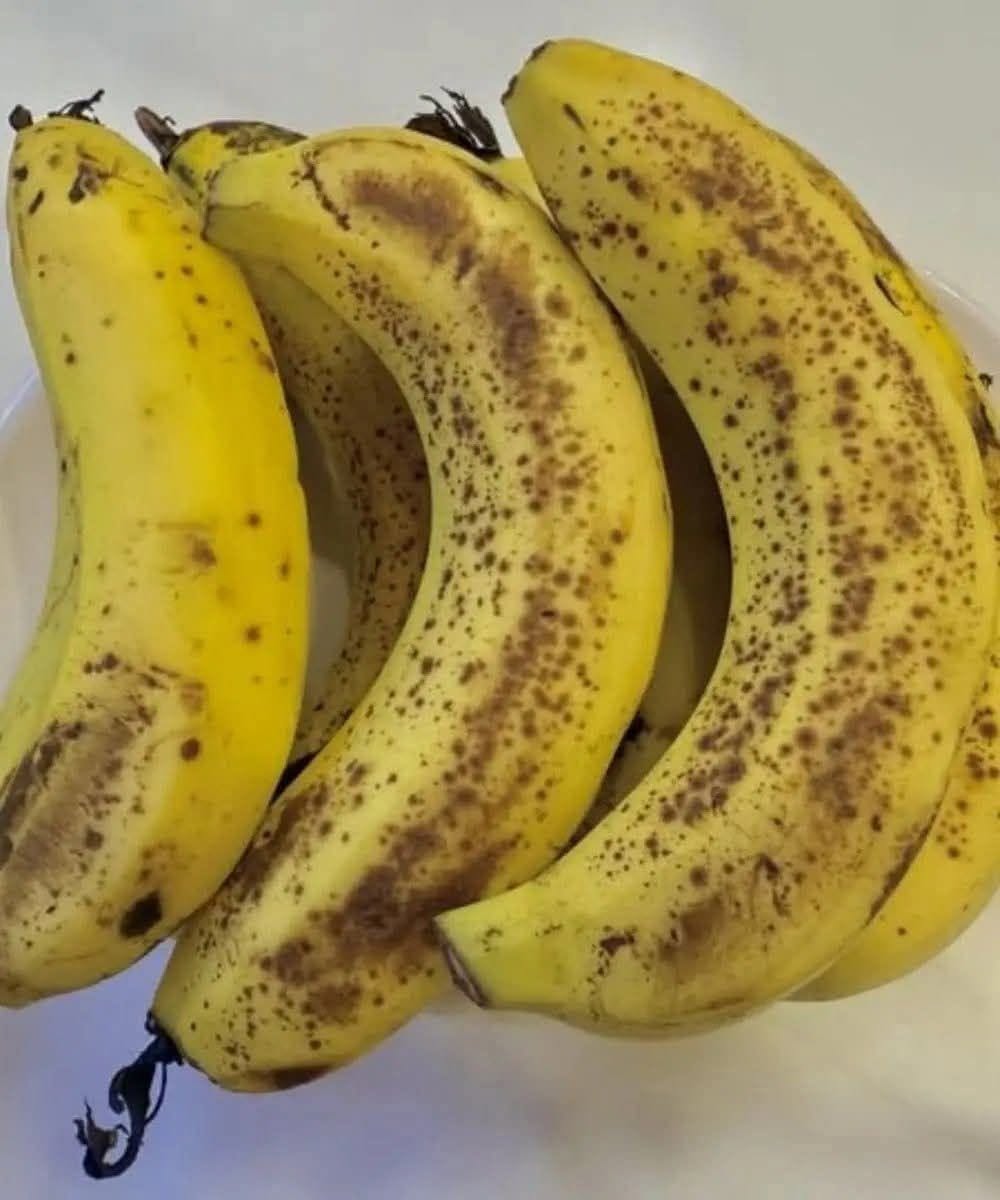
You don’t have to banish bananas from your life. You just need to strategize. Here are four proven methods to blunt the blood sugar spike.
1. Pair with Protein or Healthy Fat
Never eat a banana “naked.” Combining carbs with protein or fat slows down digestion and glucose absorption.
Try: Apple slices or banana slices with almond butter.
Try: A small banana with a handful of walnuts.
Try: Banana slices stirred into Greek yogurt (high protein).
2. Watch the Portion
You don’t have to eat the whole fruit.
Try eating half a banana and saving the rest for later.
Choose smaller varieties (like Lady Finger bananas) which naturally have fewer carbs.
3. Timing Is Everything
Your body handles carbs better when you are active.
Eat a banana before or after exercise. Your muscles will use the glucose for fuel rather than storing it, resulting in a smaller spike.
Avoid eating bananas late at night when your metabolism slows down.
4. Monitor Your Response
Every person with diabetes is unique. The only way to know how your body reacts is to test.
Check your blood sugar before eating a banana.
Check it again 1–2 hours after.
Did it spike over your target range? If so, try a smaller portion or a greener banana next time.
FAQs
Q: Are banana chips healthy for diabetics?
A: Generally, no. Most commercial banana chips are fried in oil and coated in added sugar or honey. They are calorie-dense and have a very high glycemic impact. Stick to fresh fruit.
Q: Can I drink banana smoothies?
A: Be careful. Blending breaks down the fiber structure, making the sugar absorb faster. If you make a smoothie, keep the portion small (half a banana), add protein powder or spinach, and avoid adding juice or sweeteners.
Q: Are there better fruits for diabetics?
A: Berries (strawberries, blueberries, raspberries) are excellent choices because they are lower in carbs and higher in fiber and antioxidants. Apples and pears (with skin) are also great low-GI options.
Q: Does cooking bananas change their effect?
A: Cooking can break down resistant starch, potentially raising the GI slightly. However, cooked bananas (like in oatmeal) are often easier to digest for those with gastroparesis. Monitor your blood sugar to see how you respond.
The Bottom Line
Bananas are not the enemy. They are a nutritious, convenient, and delicious fruit that can fit into a diabetes-friendly diet.
The key is mindfulness. Choose greener bananas, control your portion size, pair them with protein or fat, and monitor how your body responds. By taking these small steps, you can enjoy the benefits of potassium and fiber without sacrificing your blood sugar control.
Do you enjoy bananas? Have you noticed a difference in your blood sugar between green and yellow bananas? Share your tips and experiences in the comments below! Let’s help each other navigate healthy eating with diabetes. 🍌
ADVERTISEMENT

