
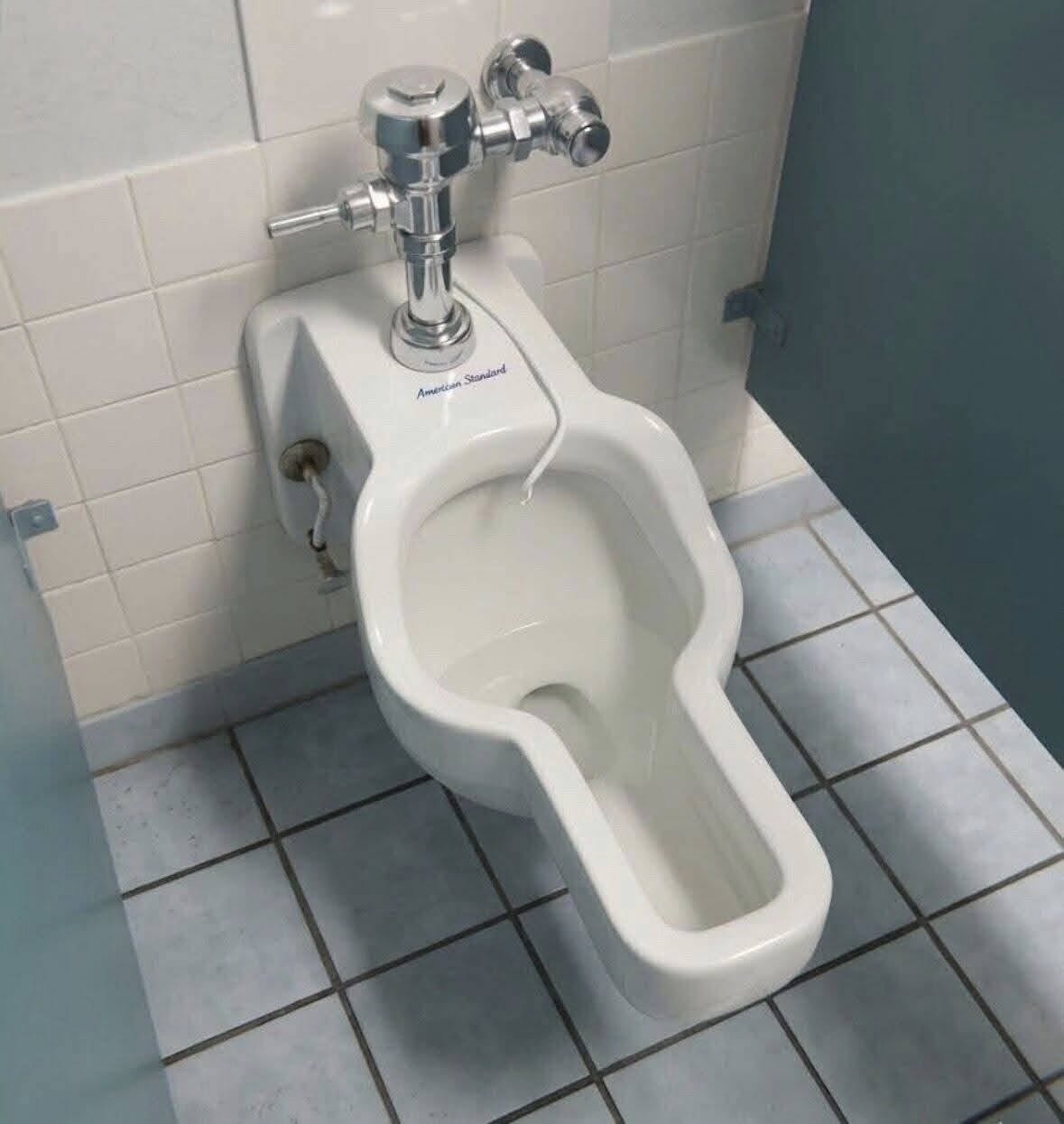
The distinctive shape isn’t arbitrary—it’s the result of thoughtful ergonomic design.
The anatomy-informed design addresses:
Biological differences: Female urination requires different positioning and flow management than male urinals.
Hygiene priorities: The shape minimizes splash-back and reduces the need to touch surfaces.
Accessibility: Some designs accommodate users with mobility challenges who may struggle with traditional seated toilets.
Efficiency: The basin design allows for quick use and easy cleaning between users.
Modern female urinals often resemble a wider, shallower basin with a gentle slope, sometimes accompanied by a disposable funnel device or built-in splash protection.
✅ The Top Benefits Driving Adoption
1. Improved Hygiene
Public toilet seats are a common source of anxiety. Many people hover over seats (which is actually worse for pelvic health) or use paper seat covers that don’t fully protect. Female urinals eliminate seat contact entirely.
Research shows: High-touch surfaces in public restrooms can harbor bacteria and viruses. Reducing contact points is a proven strategy for lowering transmission risk.
2. Shorter Wait Times
Anyone who’s waited in a long women’s restroom line at a stadium, concert, or airport knows the frustration. Traditional stalls take longer to use than urinals.
The math: If a stall takes 2–3 minutes and a urinal takes 30–60 seconds, facilities can serve 2–3x more users in the same timeframe. This is why female urinals are popular at:
Music festivals
Sports arenas
Transportation hubs
Large tourist attractions (like the Huntsville Space Center)
3. Water Conservation
Many female urinals use significantly less water per flush than traditional toilets—sometimes as little as 0.5 gallons compared to 1.6+ gallons for standard toilets.
Sustainability impact: In high-traffic facilities, this can save thousands of gallons annually, aligning with green building certifications and environmental goals.
4. Accessibility & Inclusivity
For some users—particularly those with:
Mobility limitations
Joint pain or arthritis
Certain disabilities
Clothing that’s difficult to manage (like jumpsuits or complex traditional garments)
A standing or semi-standing option can be more accessible than lowering and rising from a seated toilet.
5. Space Efficiency
Urinals typically require less floor space than full stalls. In facilities where square footage is at a premium, this allows for more fixtures in the same area or frees up space for other amenities.
🌍 Where Did This Idea Come From?
Female urinals aren’t entirely new. They’ve been implemented in various forms across Europe for decades, particularly in:
Country/Region
Adoption Level
Common Locations
Netherlands
High
Festivals, bars, public spaces
Germany
Moderate-High
Airports, train stations, stadiums
United Kingdom
Growing
Music festivals, universities
Scandinavia
Moderate
Public facilities, eco-buildings
Notable example: The “She-Pee” and similar portable female urinals have been staples at European music festivals since the 1990s, addressing long lines and hygiene concerns in temporary facilities.
In the United States, adoption has been slower but is accelerating, particularly in:
Modern airports
LEED-certified buildings
Sports venues
Tourist attractions focused on innovation (like space centers)
For Complete Cooking STEPS Please Head On Over To Next Page Or Open button (>) and don’t forget to SHARE with your Facebook friends
ADVERTISEMENT

