
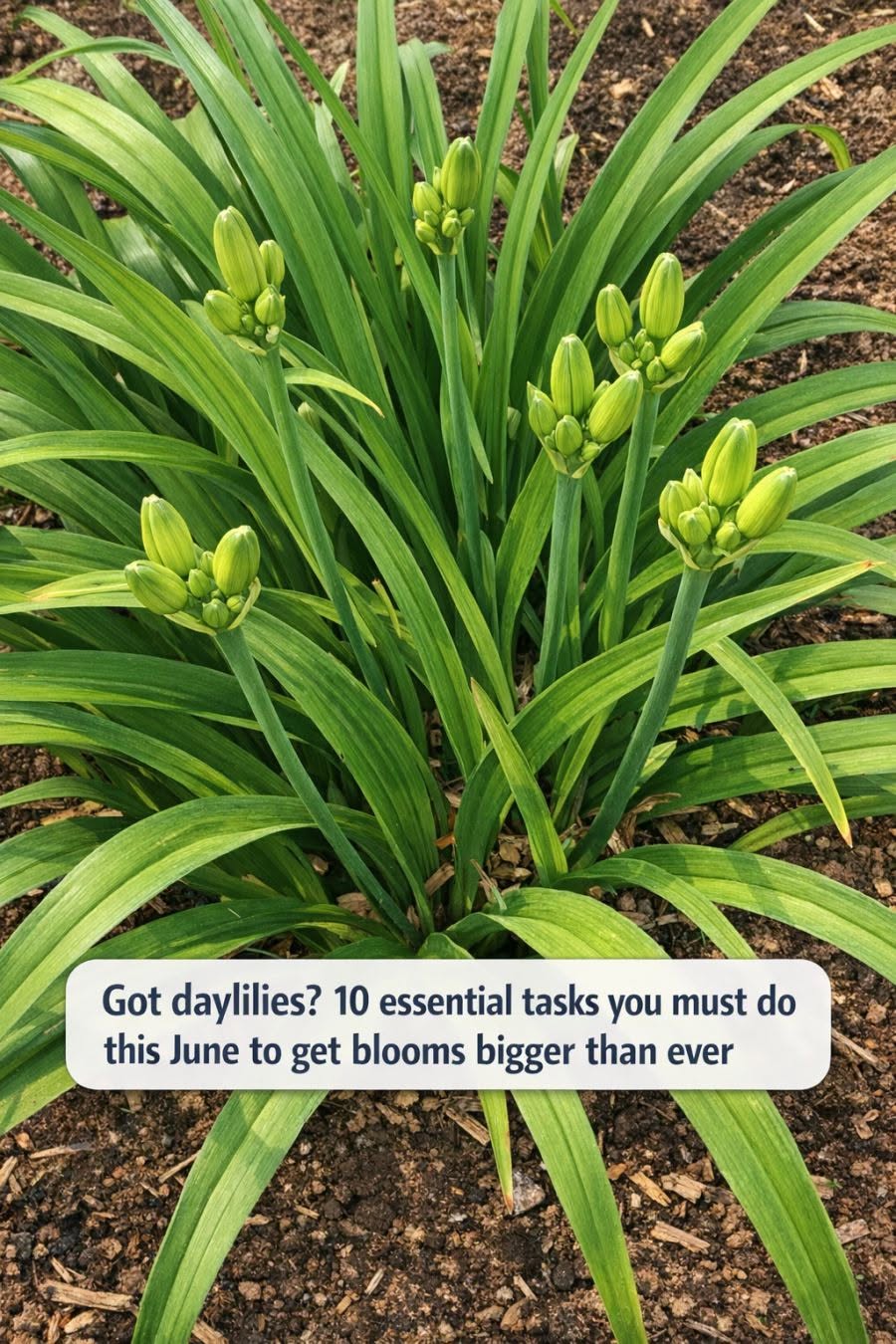
4. Mulch Smartly To Lock In Moisture And Prevent Stress
Mulching around your daylilies is an effective way to conserve soil moisture, suppress weeds, and maintain a consistent soil temperature. Apply a 2-3 inch layer of organic mulch, such as shredded bark, pine needles, or compost, around the base of the plants.
Be sure to keep the mulch a few inches away from the stems to prevent rot and pest infestations. Mulching not only reduces the need for frequent watering but also protects the roots from the heat of the sun, reducing stress on the plants.
5. Deadhead Spent Blooms To Redirect Energy To New Flowers
Removing spent blooms, or deadheading, is a simple yet effective way to keep your daylilies looking neat and to encourage the production of new flowers. By removing faded flowers, you prevent the plant from expending energy on seed production, allowing it to focus on creating more blooms.
To deadhead, simply snap off the spent flower just below the bloom. This task is best done daily or every few days during peak blooming season to ensure your daylilies continue to put on a spectacular show.
6. Remove Seed Pods So Plants Focus On Blooming, Not Breeding
In addition to deadheading, it’s important to remove seed pods from your daylilies. Seed pods form after the flowers fade, and if left on the plant, they can divert energy away from producing new blooms.
Check your plants regularly for developing seed pods and remove them by cutting them off at the base of the pod. This will help ensure that your daylilies focus their energy on blooming rather than seed production.
7. Cut Back Foliage Strategically To Encourage Fresh Growth
Trimming back daylily foliage can encourage fresh growth and improve the overall appearance of your plants. After the initial flush of blooms, some of the foliage may begin to look tired or damaged.
Use clean, sharp scissors or pruning shears to cut back the foliage by about one-third, focusing on removing any yellowing or damaged leaves. This encourages new growth and can lead to a second flush of blooms later in the season. Be careful not to cut into the crown of the plant, as this can harm the daylily.
8. Control Pests And Disease Before They Stunt Your Blooms
Keeping an eye on pests and diseases is vital to ensuring your daylilies produce large, healthy blooms. Common pests include aphids, spider mites, and thrips, which can be controlled with insecticidal soap or neem oil. For diseases such as leaf streak or rust, remove affected leaves and increase air circulation by spacing plants appropriately.
Regularly inspect your plants for signs of pests or disease and take action immediately to prevent them from spreading. Maintaining healthy plants through proper watering, feeding, and cultural practices will also help reduce the likelihood of pest and disease problems.
For Complete Cooking STEPS Please Head On Over To Next Page Or Open button (>) and don’t forget to SHARE with your Facebook friends
ADVERTISEMENT

