
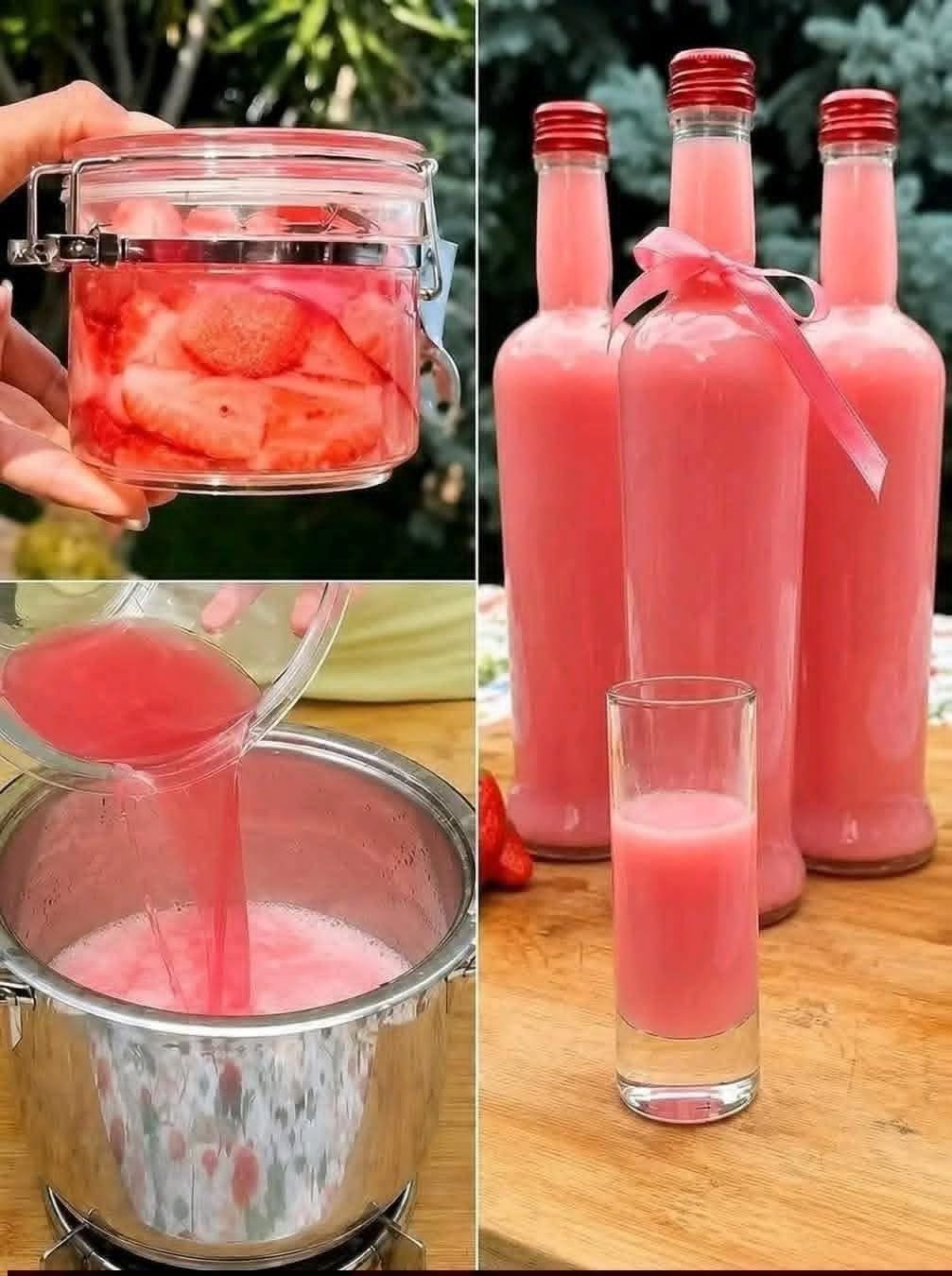
Prepare the Strawberries: Begin by thoroughly washing your fresh strawberries under cool running water. Gently pat them dry with a clean kitchen towel or paper towels. Using a small paring knife, hull each strawberry by removing the green leafy top and the white core. Once hulled, slice the strawberries into halves or quarters. This will help them break down more easily during simmering and release their juices and flavor more efficiently.
Simmer Strawberries and Water: Transfer the prepared sliced strawberries into a medium-sized saucepan or pot. Pour in 2 cups of filtered water. Place the pot over medium heat. Bring the mixture to a gentle simmer, stirring occasionally. Once simmering, reduce the heat to low, cover the pot, and let it cook for about 5-7 minutes. During this time, the strawberries will soften considerably, release their vibrant red color into the water, and become very tender. You’ll notice the liquid taking on a beautiful pinkish-red hue.
Mash and Cool Slightly: After simmering, remove the pot from the heat. Using a potato masher, the back of a large spoon, or a fork, gently mash the softened strawberries directly in the pot. This step is crucial for extracting maximum flavor and juice from the fruit. Mash until the strawberries are mostly broken down and the liquid is rich in color. Allow the mixture to cool slightly for about 5-10 minutes before proceeding to the next step. This makes straining easier and safer.
Strain the Juice: Set a fine-mesh sieve over a large bowl or pitcher. Carefully pour the mashed strawberry mixture into the sieve. Allow the liquid to drain naturally through the sieve into the bowl below. To ensure you extract as much juice as possible, use the back of a spoon or a spatula to press down on the pulp in the sieve, forcing more liquid through. Continue pressing until you’ve extracted all the juice you can. Discard the remaining strawberry pulp (or save it for another use, like stirring into yogurt or oatmeal, if desired). For an even clearer juice, you can line your fine-mesh sieve with a few layers of cheesecloth before straining.
Sweeten and Adjust (Optional): Taste the freshly strained strawberry juice. Depending on the sweetness of your strawberries and your personal preference, you may wish to add a sweetener. Stir in 2-4 tablespoons of granulated sugar, honey, or maple syrup, one tablespoon at a time, until you reach your desired level of sweetness. If you find the juice tastes a little flat, a tablespoon of fresh lemon juice can work wonders by adding a bright, zesty counterpoint that enhances the strawberry flavor without making it taste lemony. Stir well until any added sweetener is fully dissolved.
Chill and Serve: Once sweetened and adjusted, transfer the strawberry juice to a clean pitcher or sealable bottles. Place it in the refrigerator to chill thoroughly for at least 1-2 hours. Serving it ice-cold is key to its refreshing quality. Once chilled, pour into glasses and enjoy! You can serve it as is, or for a sparkling twist, mix it with equal parts sparkling water or club soda. Garnish with a fresh strawberry slice or a sprig of mint for an extra touch of elegance.
Cooking Tips and Variations
To achieve the absolute best homemade strawberry juice, starting with the highest quality ingredients is paramount. Always opt for fresh, ripe strawberries. The riper they are, the sweeter and more flavorful your juice will be, potentially reducing the need for added sweeteners. While not overly soft, they should yield slightly to a gentle squeeze and smell distinctly of strawberries. If your strawberries are a little past their prime for eating fresh, this juice is an excellent way to use them up and prevent food waste.
When simmering the strawberries, be mindful not to overcook them. A gentle simmer for 5-7 minutes is usually sufficient to soften them and release their juices. Overcooking can sometimes lead to a duller color and a slightly cooked, less vibrant flavor. The goal is to extract the fresh essence, not to make jam. After simmering, allowing the mixture to cool slightly before straining is not just for safety; it can also help the flavors meld a bit more deeply before separation.
For a beautifully smooth and pulp-free juice, thorough straining is essential. A fine-mesh sieve is usually sufficient, but for an ultra-clear juice, lining the sieve with a few layers of cheesecloth will catch even the tiniest bits of pulp. Don’t be shy about pressing down on the solids to extract every last drop of flavorful liquid. This concentrated pulp can still be used in other applications, so consider saving it if you don’t mind a bit of texture.
Customization is one of the joys of making drinks at home. If you prefer a thinner juice, simply add a splash more filtered water after straining and adjusting the sweetness. For a thicker, more concentrated juice, you can reduce the initial amount of water slightly, though this might also make the straining process a bit more challenging. Remember to adjust sweetness accordingly if you alter the water content.
For Complete Cooking STEPS Please Head On Over To Next Page Or Open button (>) and don’t forget to SHARE with your Facebook friends
ADVERTISEMENT

