
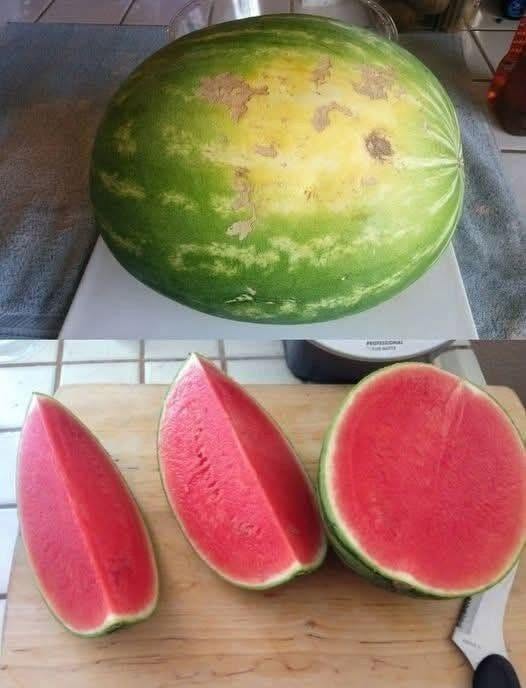
Let me walk you through the most common fruits.
Avocados
What to look for: A dark, bumpy skin (for Hass avocados). Gently press the stem end. If it yields slightly, it’s ripe. If it’s hard as a rock, it needs more time. If it’s mushy, it’s overripe.
The stem trick: Pop off the small stem at the top. If the flesh underneath is green, it’s good. If it’s brown, it’s overripe.
The shake test: If you hear the pit rattling inside, it’s overripe.
Pro tip: Buy avocados at different stages. Use the ripe ones today, leave the firmer ones on the counter for later, and refrigerate the rest.
Bananas
What to look for: Bright yellow with few or no brown spots means ready to eat now. Green with no yellow means needs several days. Lots of brown spots means very sweet (perfect for baking).
The stem test: If the stem is still green, the banana was picked recently. If it’s brown, it’s been sitting longer.
Pro tip: Bananas ripen faster when kept together. Separate them to slow ripening. Refrigerate bananas once they’re ripe to extend their life (the peel will turn brown, but the fruit inside stays perfect for days).
Berries (Strawberries, Blueberries, Raspberries, Blackberries)
What to look for: Bright, uniform color. No mushy or moldy berries in the container. The container should be dry (no liquid at the bottom, which indicates crushed or rotting berries).
The smell test: Open the container and sniff. It should smell sweet and fragrant. If it smells sour or fermented, put it back.
Pro tip: Check the bottom of the container. That’s where the oldest, softest berries tend to hide.
Cantaloupe and Honeydew
What to look for: A golden-yellow color (not green) on cantaloupe. A creamy-yellow color (not white) on honeydew. The stem end should be slightly soft when pressed.
The smell test: Sniff the stem end. It should smell sweet and fragrant. If it has no smell, it’s not ripe. If it smells sour or fermented, it’s overripe.
The shake test: For cantaloupe, you should hear the seeds rattling inside when you shake it.
Pro tip: Avoid melons with soft spots, bruises, or cracks.
Cherries
What to look for: Bright, shiny skin. Firm flesh. Green stems (brown stems mean older fruit).
The taste test: If the store allows it, sample one. Cherries should be sweet and juicy.
Pro tip: Avoid cherries with shriveled skin or sticky residue.
Citrus (Oranges, Grapefruit, Lemons, Limes)
What to look for: Heavy for their size (more juice). Firm but not hard. Thin, smooth skin (thick, rough skin means less juice). Bright color (though color isn’t always a ripeness indicator; oranges can be green and still sweet).
The squeeze test: Gently squeeze the fruit. It should have a little give but not be soft.
For Complete Cooking STEPS Please Head On Over To Next Page Or Open button (>) and don’t forget to SHARE with your Facebook friends
ADVERTISEMENT

