
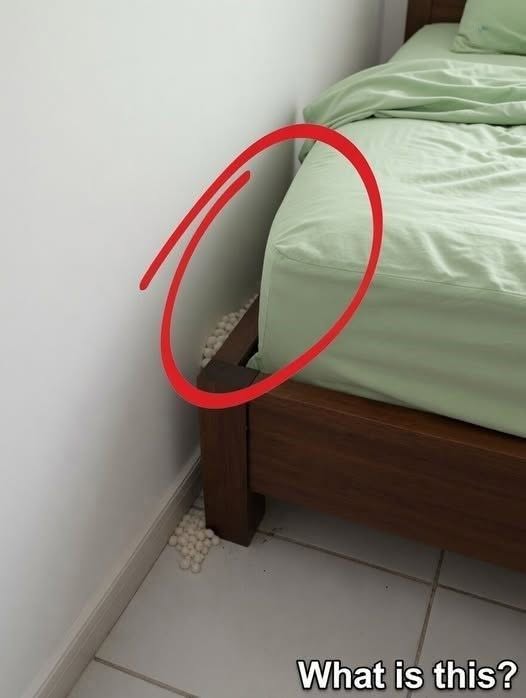
❓ Frequently Asked Questions About Lizard Eggs
Q: How can I tell if an egg is a lizard egg?
A: Lizard eggs are typically small (0.5–1.5 inches), white or pale, and leathery (not hard like bird eggs). They are often laid in clutches of 2–20, depending on the species. If unsure, consult a local wildlife expert.
Q: Are lizard eggs dangerous to humans or pets?
A: No. Lizard eggs pose no threat to people or pets. The mother is usually not protective of her eggs and will not defend them. However, keep pets from disturbing the eggs, as this can harm the developing embryos.
Q: Do I need to worry about the mother lizard?
A: Most house lizards (like geckos) do not guard their eggs after laying them. The mother will likely not return. You can safely observe or relocate the eggs without worrying about an aggressive parent.
Q: How long does it take for lizard eggs to hatch?
A: Incubation time varies by species and temperature:
House geckos: 30–90 days
Anoles: 30–60 days
Skinks: 60–120 days
Warmer temperatures generally speed up development.
Q: What do baby lizards eat?
A: Hatchling lizards eat tiny insects: fruit flies, pinhead crickets, aphids, and springtails. If you’re caring for hatchlings temporarily, you can purchase appropriately sized feeder insects from pet stores.
Q: Can I keep the baby lizards as pets?
A: While possible, it’s generally best to let wild lizards remain in their natural habitat. They have specific care requirements, and releasing captive-raised reptiles can harm local ecosystems. If you’re interested in reptile keeping, consider adopting from a reputable breeder or rescue.
Q: What if I accidentally break a lizard egg?
A: If an egg is cracked or damaged, the embryo likely will not survive. Gently dispose of the contents and clean the area. Learn from the experience for next time—and remember, nature includes both success and loss.
Q: Are all lizard eggs white?
A: Most are white or pale, but some species lay eggs with slight color variations (cream, light pink, or faint speckling). Texture (leathery vs. hard) is a more reliable identifier than color alone.
Q: Can lizard eggs hatch indoors if left undisturbed?
A: Yes! If temperature and humidity are suitable, eggs can successfully hatch inside homes. Many people have witnessed this quiet miracle without ever intervening.
💙 A Compassionate Closing Thought
If you’re reading this because you’ve found strange eggs in your home—or because you’re simply curious about the hidden lives sharing your space—please know:
🦎 Surprise is not the same as danger. Finding something unexpected doesn’t mean it’s a threat. Pause. Observe. Learn.
🦎 Coexistence is possible. We share our homes with countless creatures—spiders in the corners, birds on the roof, lizards on the walls. Most mean us no harm.
🦎 Wonder is a choice. You can see a lizard egg as a problem to solve—or as a small miracle unfolding on your bedroom floor. Both perspectives are valid.
🦎 Kindness costs nothing. Whether you choose to protect the eggs, relocate them gently, or simply step around them, your compassion matters.
Finding lizard eggs beside my bed was startling. But it was also a reminder that I am not the only inhabitant of my home.
I am sharing this space with other living beings.
And if I’m lucky, sometimes I get to witness the miracle of new life—right there on my bedroom floor.
Nature doesn’t ask for permission. It simply persists. And sometimes, in the quiet corners of our lives, it invites us to pause, look closer, and remember: we are part of a much larger, much more wonderful world.
🧭 The Bottom Line
Discovering lizard eggs at home is surprising but usually harmless—and often a beautiful opportunity to witness nature up close.
Remember:
🦎 Lizard eggs are small, white, leathery, and typically laid in hidden, warm spots
🤝 Most house lizards are beneficial, harmless, and not protective of their eggs
🛡️ If needed, eggs can be relocated safely—with care to maintain orientation
🌱 Prevention focuses on sealing entry points, reducing insects, and controlling humidity
💙 Coexistence is a choice; wonder is a gift; kindness costs nothing
However you choose to respond to a surprise discovery, may you move through it with curiosity instead of fear, compassion instead of frustration, and openness to the quiet miracles that unfold in the spaces we call home.
Have you ever found lizard eggs or other unexpected wildlife in your home? How did you handle it? Share your stories and tips respectfully in the comments below.
ADVERTISEMENT

