
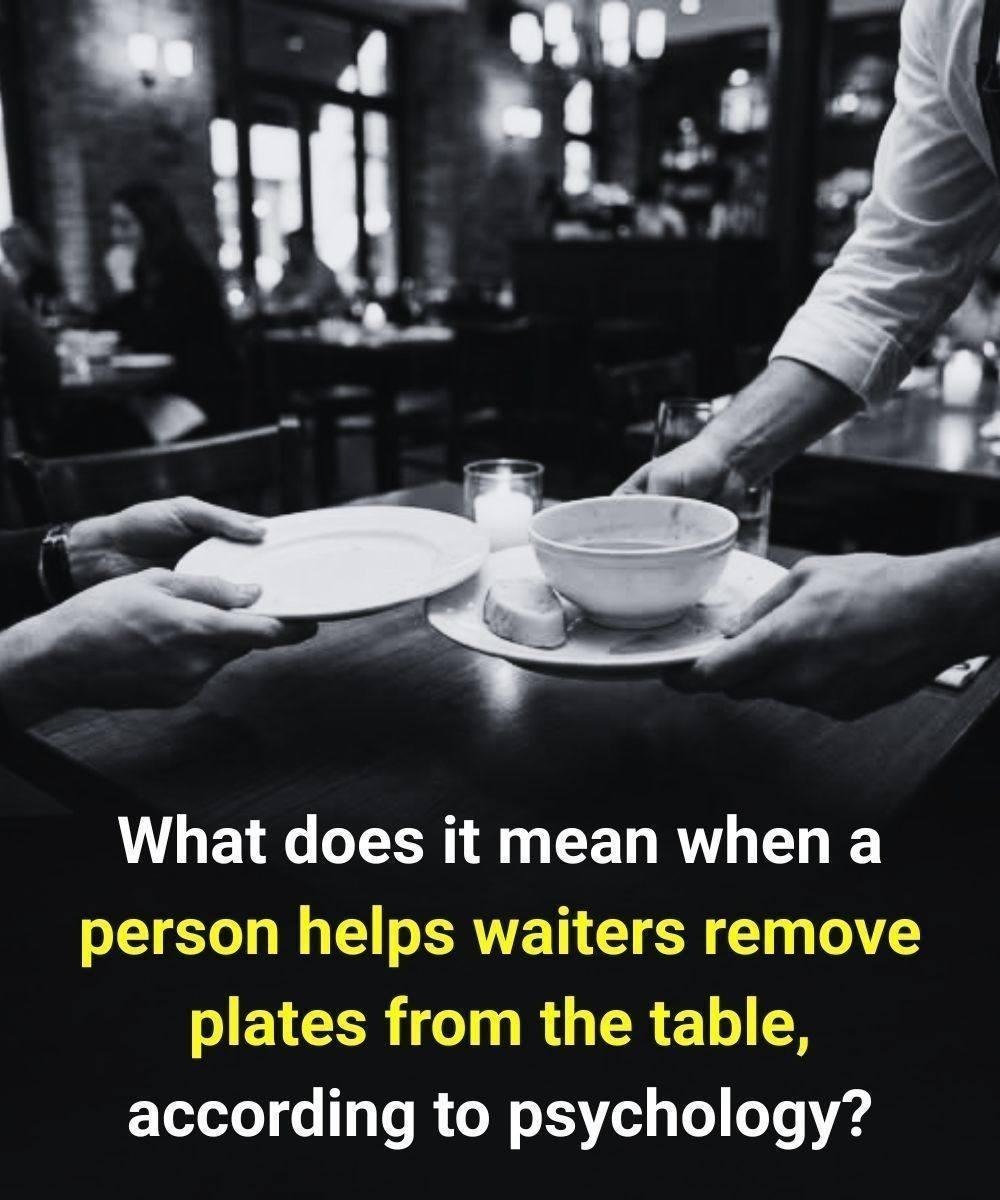
🧭 Beyond Introvert/Extrovert: Other Factors That Shape This Moment
Personality is just one piece of the puzzle. These factors also influence whether someone helps clear plates:
Factor
Impact on Helping Behavior
Agreeableness
High agreeableness predicts helping across personality types
Empathy levels
People high in empathic concern are more likely to act, regardless of intro/extro tendency
Social anxiety
May cause hesitation even in extroverts who want to help
Past hospitality experience
Former servers often help instinctively, knowing how demanding the job can be
Mood that day
Stress, fatigue, or joy can temporarily override typical patterns
Relationship to dining companions
More likely to help with family than with formal business associates
💡 Takeaway: Don’t assume you know someone’s personality based on one behavior. Humans are wonderfully complex.
🤝 **What Servers Actually Think **(According to Hospitality Workers)
We asked restaurant staff: Do you prefer when guests help clear?
Response
Frequency
Why
“I appreciate the gesture, but it’s my job”
Most common
Professional pride; clearing is part of their workflow
“It helps when we’re slammed”
Common during peak hours
Extra hands speed up table turnover
“Please ask first”
Frequent
Stacking plates mid-conversation can disrupt service rhythm
“Just be kind and tip well—that’s the real help”
Very common
Emotional labor and fair compensation matter most
🗣️ Server wisdom: “If you want to help, a simple ‘Can I stack these for you?’ goes a long way. And a genuine ‘thank you’ means more than you know.”
🌱 Honoring Your Instinct: A Guide to Self-Aware Helping
Whether you’re a natural plate-stacker or a thoughtful observer, here’s how to navigate this moment with intention.
**If You’re Inclined to Help **(Often Extroverts)
✅ Check in first: A quick “Mind if I stack these?” respects the server’s workflow
✅ Read the room: In formal settings, restraint may be more appropriate
✅ Don’t interrupt conversation: Help quietly without derailing the group’s flow
✅ Accept “no thanks” gracefully: If the server declines, smile and let them work
**If You Prefer to Observe **(Often Introverts)
✅ Show appreciation in other ways: A warm smile, eye contact, or generous tip communicates gratitude
✅ Offer help selectively: If you notice a server struggling, a quiet “Can I help with anything?” can mean a lot
✅ Honor your energy: It’s okay to stay seated. Your presence and kindness matter too
✅ Reframe “not helping”: Choosing not to intervene can be an act of respect, not indifference
For Everyone: The Golden Rule of Restaurant Helping
“Help in the way you’d want to be helped—with clarity, kindness, and respect for roles.”
❓ FAQs: Your Questions, Answered
Q: Does helping clear plates make me a “better” person?
A: No. Kindness isn’t measured in plate-stacking. Thoughtfulness, respect, and empathy matter far more than any single action.
Q: What if I’m an introvert but want to help?
A: You absolutely can! Try low-pressure options: stacking plates quietly, offering help to one person, or thanking the server warmly. Helping doesn’t have to be performative.
Q: What if I’m an extrovert but worry about overstepping?
A: A simple question—”Is it helpful if I stack these?”—shows consideration while honoring your instinct to connect.
Q: Do servers judge guests who don’t help?
A: Most professionals focus on providing great service, not judging guests. They appreciate kindness in many forms: patience, politeness, and fair tipping often matter more than clearing plates.
Q: Can personality change in this context?
A: Yes! People adapt. An introvert might help readily with close friends; an extrovert might hold back in a formal setting. Flexibility is a sign of social intelligence.
Q: Is there a “right” answer?
A: No single behavior is universally correct. The “right” choice depends on context, culture, and the people involved. Intention matters more than action.
Q: How can I become more aware of my instincts?
A: Practice mindful observation. After a restaurant visit, reflect: What did I feel in that moment? What influenced my choice? Curiosity builds self-awareness without judgment.
Q: What if my dining companion and I have different instincts?
A: Honor both. One person can stack plates while another offers verbal thanks. Diversity in expression enriches the experience.
💙 A Compassionate Reminder: You’re Not “Wrong” for Your Instinct
If you’re someone who leaps to help: your warmth and responsiveness are gifts. The world needs people who notice needs and act with generosity.
If you’re someone who pauses or prefers to stay seated: your thoughtfulness and respect for boundaries are gifts too. The world needs people who honor space and choose connection with intention.
Neither instinct is superior. Both are valid expressions of care.
For Complete Cooking STEPS Please Head On Over To Next Page Or Open button (>) and don’t forget to SHARE with your Facebook friends
ADVERTISEMENT

