
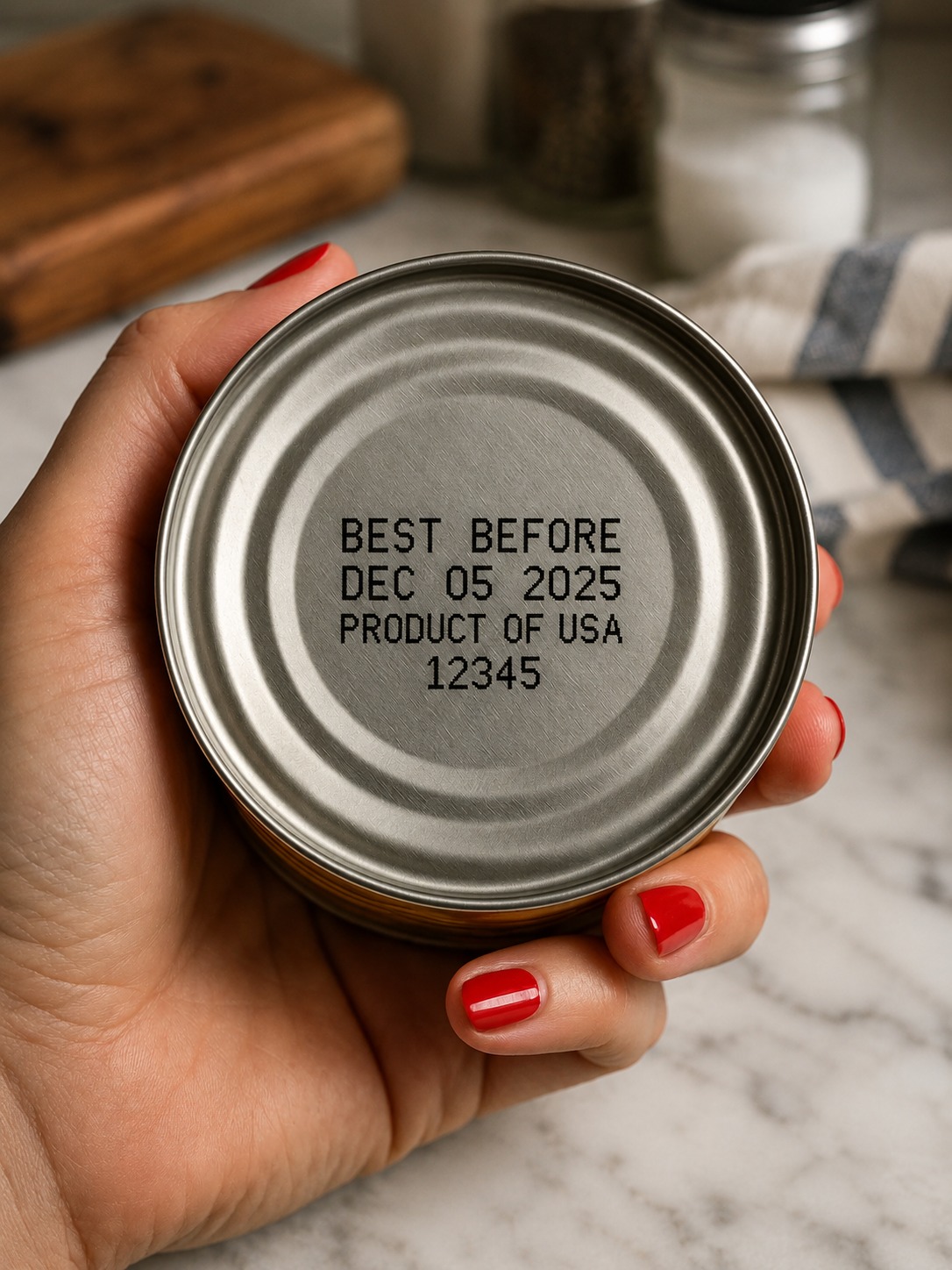
Let’s face it, we all get a little jumpy when it comes to food safety. Nobody wants to gamble with getting sick, and with all the ads on TV telling us “freshest is best,” we get a little trigger-happy with the trash can. We’ve been trained, thanks to good old marketing, to look at “Best Before” dates as a “throw-away-after-this” command. I blame the shiny new grocery displays just as much as anyone, but we get it in our heads that it’s easier—and safer—to toss something than to actually inspect if it’s still good.
And, if I’m being honest, brands and stores know exactly how to play into our worries, too. Empty shelves give them a reason to restock and for us to re-spend. “Better safe than sorry,” we tell ourselves, even if it’s really just about not having to bother too much.
When Dates Do Matter
Now, don’t get me wrong—there are foods where tossing them after the date really is the wise thing to do (no one wants to mess around and find out with certain foods, believe me).
Things like deli meats, soft cheeses, anything super fresh like juice or dairy products—especially once you’ve opened them—can pick up bacteria beyond a certain point. That date, along with how long it’s been popping open and shut in your fridge, is something you’ll want to pay attention to with these.
Your nose knows! If something smells off, or the texture is funky (think curdled milk or slimy turkey slices), or the color is headed into weird territory, trust that instinct. Most of the time, your senses can pick up on “not right” long before a date can.
But for all that pantry stuff—dry pasta, crackers, rice, boxed snacks, cans galore—the date is much less about safety and way more about just tasting their best. Don’t let an old date boss you around with those.
Canned Food: The Misunderstood Hero
Alright, let’s show some love to canned goods, shall we? They’re the unsung heroes of my kitchen (and probably yours, too), and honestly, they get way too much flak.
A can of beans or tomatoes that’s sealed and stored well can last for years after the “Best By” date. Yes, years! We’re talking two to five, easily—sometimes even longer—if you’ve kept them someplace cool and dry (my dark basement is packed, ask me how I know). During World War II, some canned foods held strong for decades and were still edible. That’s staying power.
The trick? Canned food is vacuum-sealed and heated to kill bacteria. As long as your can looks right—no rust, no dents, definitely no bulging—you’re almost always in the clear.
Signs it’s not okay:
The can has puffed up or looks bloated.
You hear a weird hiss when you open it (trust me, you’ll know if it’s not a good sound!).
You see rust, leaking, or it smells off and gross.
If you run into any of those, into the trash it goes—no debate there. But don’t let a plain old date talk you out of a good can of peaches or beans.
A Quick Pantry Check: What Really Lasts?
Let’s clear up a few surprises in the old “how long does this actually last?” department:
White rice: Believe it or not, this can last up to 30 years (yes, really!) if you keep it sealed up and out of the heat.
Dry pasta: Good for at least a year or two past the date, sometimes more if you kept it dry.
Flour: About 6–12 months (and longer if you stash it in the freezer—my flour hangs out happily in there).
Cooking oils: Still good for 6–12 months after you open them. You’ll notice if they go rancid, trust me.
Spices: These guys are safe for literally years. They will lose oomph, but unless there’s mold or it smells weird, you’re golden.
Cereal and crackers: These can be good even months past the date; maybe they’re a tad stale, but that’s about it. Nothing a little oven crisp-up can’t fix if you’re determined.
The big trick? Keep things airtight and away from humidity and heat. That’s the best recipe for keeping things fresh for as long as possible.
The Real Cost of Getting It Wrong
This part stings: In the U.S., we throw away about 30–40% of our food supply every single year. And a huge part of that waste is thanks to misunderstandings about those little dates stamped on the packaging.
For Complete Cooking STEPS Please Head On Over To Next Page Or Open button (>) and don’t forget to SHARE with your Facebook friends
ADVERTISEMENT

