
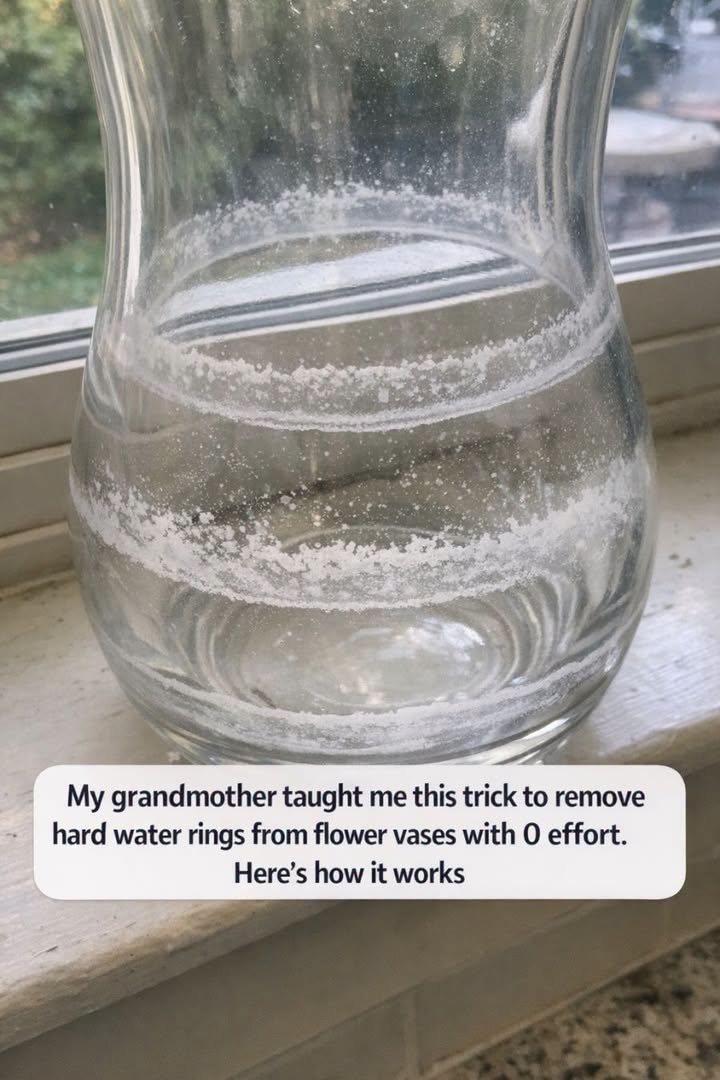
9. Safety Tips: What Not To Mix Or Use On Delicate Vases
While vinegar is generally safe for most glass and ceramic vases, avoid using it on metal or stone components, as the acid can cause damage. Additionally, never mix vinegar with bleach, as this creates toxic chlorine gas.
If your vase is made of a particularly delicate or antique material, test the vinegar solution on a small area first to ensure it doesn’t cause any damage. Always handle with care and avoid excessive force when rinsing or drying.
10. Preventing Future Rings So You Rarely Need To Clean
To minimize future hard water rings, try using distilled water for your flowers, as it lacks the minerals found in tap water. Changing the water regularly and ensuring the vase is completely dry before storing can also help prevent buildup.
Another preventative measure is to add a small amount of vinegar to the water when arranging flowers. This not only helps keep the water fresh longer but also prevents mineral deposits from forming.
11. Other Household Spots Where This Trick Works Like Magic
This vinegar solution isn’t just for flower vases. It works wonders on other areas prone to hard water stains, such as bathroom fixtures, shower doors, and kitchen sinks. Simply apply the solution, let it sit, and rinse to reveal a sparkling finish.
For appliances like kettles and coffee makers, running a cycle with vinegar followed by multiple cycles of water can help remove limescale buildup, keeping your appliances running efficiently.
ADVERTISEMENT

