
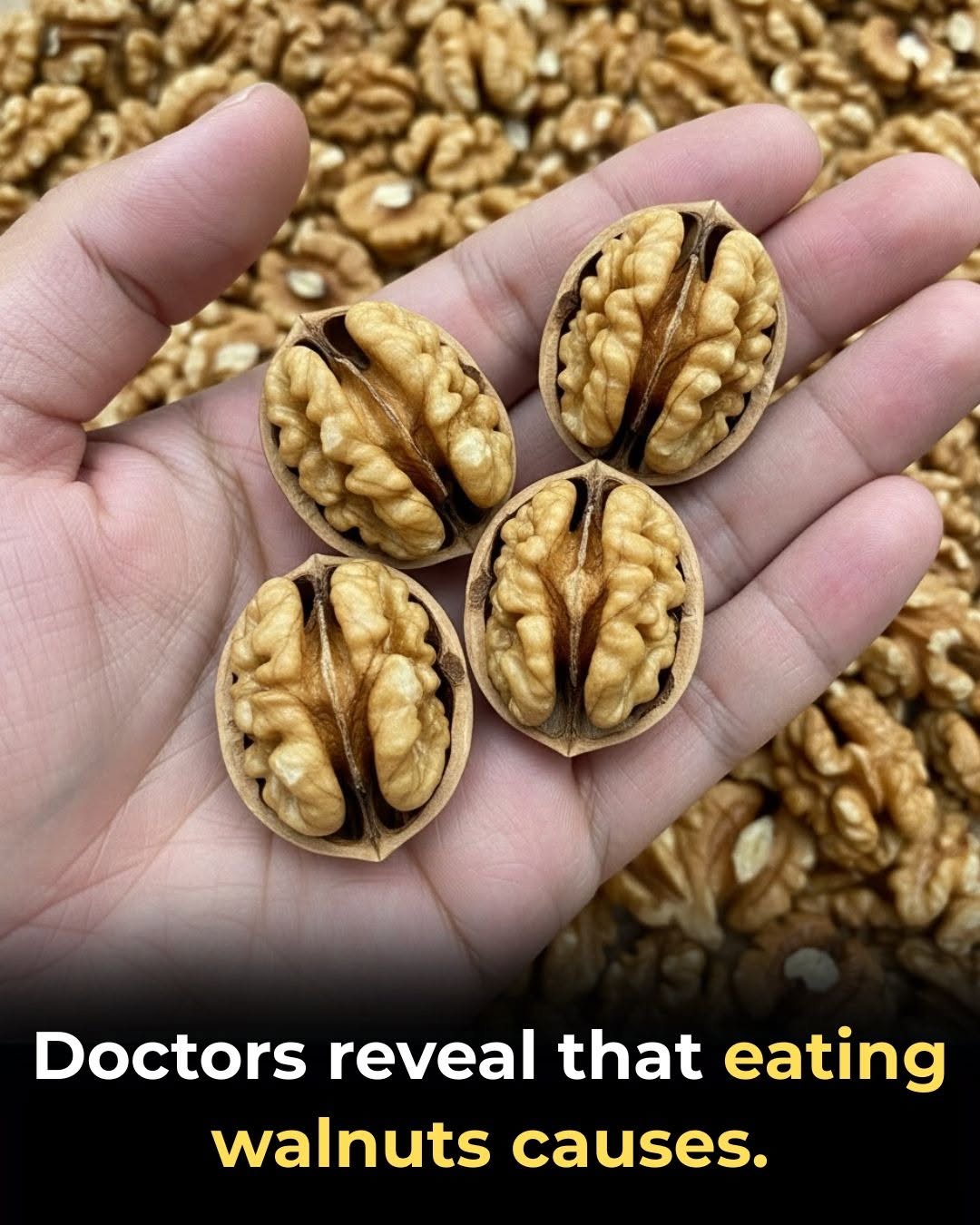
Daily Intake Recommendations
Goal
Suggested Amount
Notes
General health
7 walnut halves (~1 oz/28g) daily
Supported by multiple clinical trials
Heart health focus
1.5 oz (42g) daily
Aligns with FDA qualified health claim
Weight management
1 oz as part of balanced diet
High satiety helps control appetite
Cognitive support
Consistent daily intake over months
Benefits accumulate with regular use
Best Ways to Consume Walnuts
✅ Eat them raw: Heat can diminish some heat-sensitive nutrients
✅ Include the skin: The thin brown skin contains ~90% of the phenols
✅ **Soak overnight **(optional) May improve digestibility and nutrient absorption
✅ Grind or chop: Increases surface area for better nutrient bioavailability
✅ Pair with vitamin C-rich foods: Enhances absorption of certain antioxidants
Creative Ways to Add Walnuts to Your Day
Meal/Snack
Idea
Breakfast
Sprinkle on oatmeal, yogurt, or smoothie bowls
Lunch
Add to salads, grain bowls, or sandwich wraps
Snack
Pair with fruit, dark chocolate, or cheese
Dinner
Use as a crust for fish, blend into pesto, or stir into stir-fries
Baking
Incorporate into muffins, breads, or energy balls
⚠️ Caution: Walnuts are calorie-dense. Stick to recommended portions to avoid unintended weight gain.
🧠 In-Depth Health Benefits of Walnuts (Science-Backed)
1. Promote Healthy Brain Function
The science: Walnuts’ high levels of antioxidants and omega-3s help reduce inflammation and oxidative stress in the brain.
Study Finding
Source
Improved cognitive scores in older adults with regular walnut consumption
Journal of Nutrition, Health & Aging (2020)
Reduced markers of brain inflammation in animal models
Nutritional Neuroscience (2019)
Potential slowing of Alzheimer’s-related pathology in preclinical studies
Journal of Alzheimer’s Disease (2021)
✅ Practical takeaway: Consistent walnut intake may support memory, mood, and long-term brain health—but they’re part of a broader brain-healthy diet (Mediterranean or MIND diets).
2. Support Cardiovascular Health
The science: The unique combination of polyunsaturated fats, antioxidants, and arginine (an amino acid) in walnuts supports heart health through multiple pathways.
Benefit
Mechanism
Lowers LDL cholesterol
Omega-3s and plant sterols reduce cholesterol absorption
Improves endothelial function
Arginine supports nitric oxide production for healthy blood vessels
Reduces blood pressure
Magnesium and antioxidants support vascular relaxation
Decreases inflammation
Polyphenols lower CRP and other inflammatory markers
✅ Clinical evidence: A meta-analysis of 26 studies found that walnut consumption significantly reduced total cholesterol, LDL, and triglycerides (American Journal of Clinical Nutrition, 2021).
3. Support Gut Health
The science: Walnuts act as a prebiotic, feeding beneficial gut bacteria.
Finding
Implication
Increased abundance of Lactobacillus and Roseburia species
Associated with improved gut barrier function and reduced inflammation
Higher production of butyrate (a short-chain fatty acid)
Supports colon health and may reduce colorectal cancer risk
✅ Practical tip: Pair walnuts with other prebiotic foods (garlic, onions, bananas) for synergistic gut benefits.
4. May Support Healthy Weight Management
The science: Despite being calorie-dense, walnuts promote satiety and may help regulate appetite.
Mechanism
Effect
High protein + fiber content
Increases fullness and reduces subsequent calorie intake
Healthy fats slow gastric emptying
Prolongs satiety signals
May improve insulin sensitivity
Supports metabolic health and reduces fat storage signals
✅ Research note: Studies show that adding walnuts to the diet does not typically lead to weight gain when total calories are controlled—and may even support modest weight loss due to increased satiety.
5. Potential Anti-Cancer Properties (Emerging Research)
The science: Walnuts contain compounds with anti-proliferative and anti-inflammatory effects.
Compound
Potential Role
Ellagitannins
Converted by gut bacteria to urolithins, which have anti-cancer properties in lab studies
**Gamma-tocopherol **(vitamin E form)
May inhibit cancer cell growth in preclinical models
Melatonin
Antioxidant with potential anti-tumor effects
⚠️ Important: This research is preliminary. Walnuts should be viewed as part of a cancer-preventive diet—not a treatment.
⚠️ Safety Considerations & Who Should Be Cautious
While walnuts are safe for most people, certain groups should take precautions:
For Complete Cooking STEPS Please Head On Over To Next Page Or Open button (>) and don’t forget to SHARE with your Facebook friends
ADVERTISEMENT

