
⚠️ Important Safety Considerations
Before you stock up on salt, know the risks:
Corrosion & Damage
What Salt Damages
How to Protect
Paint & clear coat
Rinse immediately after use; avoid contact when possible
Undercarriage & metal parts
Wash your car regularly in winter; apply rust-proofing treatment
Concrete & asphalt
Use sand instead for traction on driveways/garages
Rubber seals & hoses
Rinse thoroughly; inspect regularly for wear
Brake components
Avoid getting salt near brakes; wash wheels regularly
Environmental Impact
Salt runoff contaminates soil and water sources.
It harms plants, aquatic life, and wildlife.
Use sparingly and only when necessary.
Health Concerns
Inhaling salt dust can irritate lungs.
Salt residue on hands can irritate skin (especially if you have cuts).
Wash hands after handling salt.
🌍 Eco-friendly alternative: For traction, use sand, cat litter, or specialized eco-friendly ice melt products (calcium magnesium acetate) that are less harmful to the environment.
❓ FAQs: Your Salt-in-Car Questions, Answered
Q: What type of salt is best for car use?
A: Plain table salt or rock salt (sodium chloride) works fine. Avoid iodized salt with anti-caking agents if using for de-icing solutions, as additives may leave residue. Rock salt is cheaper and effective for traction.
Q: How much salt should I keep in my car?
A: 1–2 pounds in a sealed container is sufficient for emergency traction and minor de-icing. You don’t need more unless you’re in extreme winter conditions.
Q: Can salt damage my car’s interior?
A: Yes. Salt can stain fabric, corrode metal components under seats, and damage electronics if spilled. Always store salt in a sealed, leak-proof container.
Q: Is salt better than sand for traction?
A: Sand provides better immediate traction and is less corrosive. Salt melts ice but takes time. For getting unstuck, sand or cat litter is often more effective and safer for your vehicle.
Q: Can I use salt water to clean my car’s exterior?
A: No. Salt water accelerates rust and corrosion. Always use fresh water and car-safe soap for washing.
Q: How long does salt remain effective in a de-icer solution?
A: Salt water solutions can be stored for months in a sealed container. However, they may crystallize in cold temperatures. Shake well before use.
Q: Will salt in my car attract moisture and cause mold?
A: Yes, salt is hygroscopic and can absorb moisture from the air. Store it in an airtight container to prevent this. If you’re using an open container for odor absorption, replace it monthly.
💙 A Compassionate Reminder
If you’re preparing for winter driving or building an emergency kit, please know:
🚗 Preparation is an act of self-care. Taking time to stock your car shows you value your safety and peace of mind.
🚗 You don’t need expensive gadgets. Simple, affordable items like salt, sand, and blankets can make a real difference.
🚗 Asking for help is strength. If you’re stranded, call for assistance. Your safety matters more than pride or inconvenience.
🚗 Every driver was once a beginner. If you’re new to winter driving or emergency preparedness, be patient with yourself. Learn as you go.
Preparation isn’t about fear—it’s about empowerment. You’ve got this.
🧭 The Bottom Line
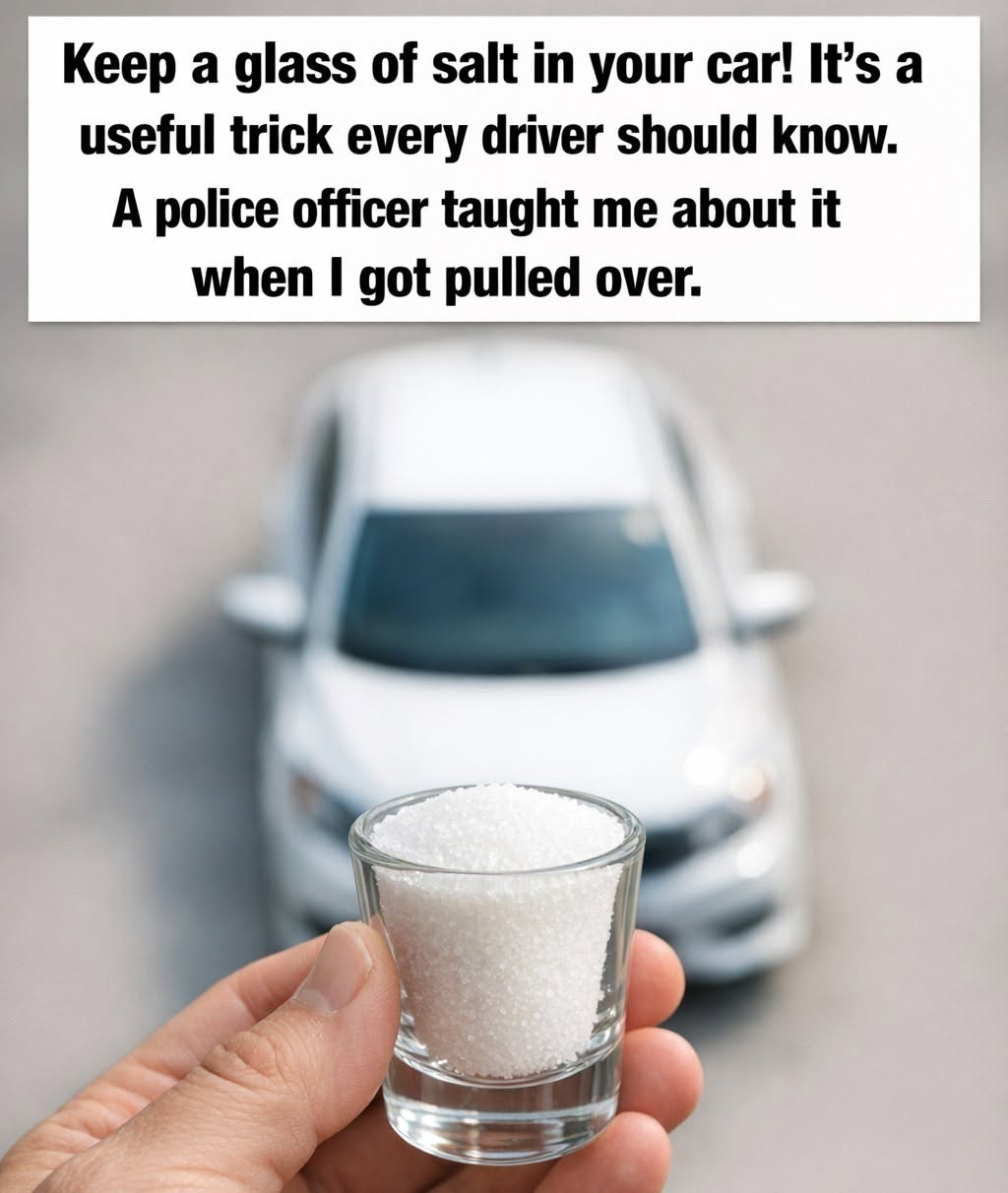
Keeping salt in your car isn’t a magical hack—but it is a practical, science-backed tool for specific situations.
Remember:
🧂 Salt provides traction on ice and can make DIY de-icer solutions
⚠️ It does not defog windshields, absorb CO, or warm your car—ignore those viral myths
🌍 Use salt sparingly; it corrodes metal, damages concrete, and harms the environment
🎒 Pair salt with a complete emergency kit: blankets, scraper, sand, water, and a phone charger
💙 Preparation is about empowerment, not anxiety. Stock wisely, drive safely, and trust yourself
So yes—keep a container of salt in your car if you drive in winter conditions. But don’t rely on it as a miracle cure. Combine it with common sense, proper equipment, and safe driving practices.
Your safety isn’t a hack. It’s a habit.
Do you keep salt or other emergency supplies in your car? What winter driving tips have saved you? Share your experiences respectfully in the comments below. 🚗❄️
ADVERTISEMENT

