
A Few Tips I Learned (Sometimes the Hard Way)
Adjust your time. Lower power = longer cook time. If something takes 2 minutes at full power, it might take 3–4 at half power. That’s okay. It’s worth the patience.
Stir or rotate halfway through. Helps with even heating — especially soups or anything thick.
Check your manual. Some microwaves have different default settings or quirks. I found mine online because I’d tossed the paper years ago.
The Mistakes I Was Making (So You Don’t Have To)
Honestly? I thought more power meant better results. But reheating Chicken breast on full blast? Always dried out. Defrosting soup at 100%? Boiling hot edges and a frozen middle.
And don’t even get me started on bread. Reheated a roll once at full power and turned it into a rock.
Once I learned to lower the power and give the food a little more time — everything tasted better. Softer. Juicier. Less… sad.
I’m 60, and the Microwave Finally Makes Sense
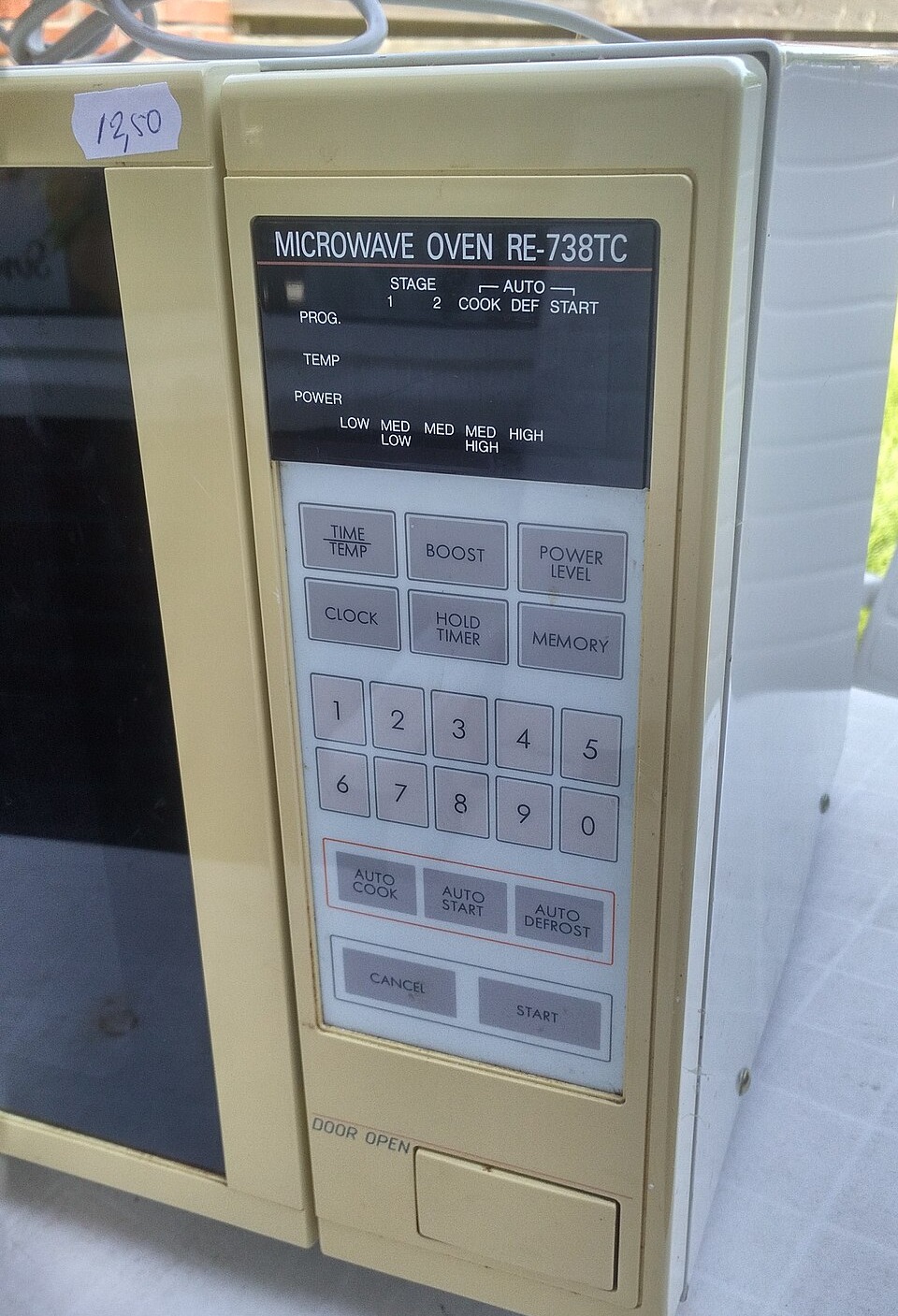
I thought I knew my microwave. But learning how to use that little power level button felt like someone handed me a secret recipe. No more rubbery eggs. No more scorched cheese. Just warm, happy meals that actually taste like they did the first time around.
It’s funny — I’ve used microwaves for decades without realizing how much control I had all along. And if you’re just finding this out too? Welcome to the club. It’s never too late to level up your leftovers.
Final Thoughts: Don’t Be Afraid to Press That Button
If there’s one small habit to change in your kitchen this year, let it be this. That power level button? It’s not complicated. It’s not intimidating. It’s just one little click that can help your food taste a whole lot better.
So try it — tomorrow, even. Lower the power, adjust the time, and see the difference for yourself. I bet your soup, your sandwich, and your sanity will thank you.
ADVERTISEMENT

