
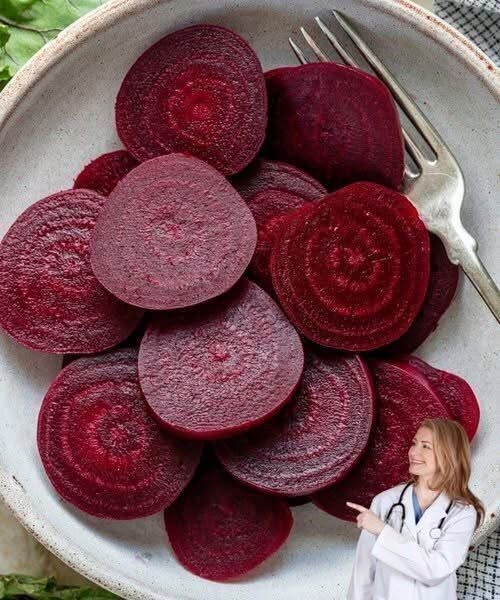
Beets are versatile, but their vibrant color can stain. Here’s how to enjoy them with minimal cleanup.
Preparation Tips:
Method
Instructions
Best For
Roasting
Wrap whole beets in foil; roast at 400°F (200°C) for 45–60 min until tender; peel after cooling
Side dishes, salads, grain bowls
Steaming
Steam peeled, cubed beets for 15–20 min until tender
Quick side dish; preserves more nutrients than boiling
Juicing
Combine with apple, carrot, ginger, and lemon for a refreshing drink
Pre-workout boost; morning routine
Pickling
Slice thinly; pickle in vinegar, water, sugar, and spices
Tangy condiment; sandwich topping
Grating raw
Grate raw beets into salads or slaws (wear gloves to avoid staining)
Crunchy texture; maximum nutrient retention
Stain-Prevention Strategies:
✅ Wear gloves when peeling or handling raw beets
✅ Use a cutting board dedicated to colorful produce (or line with parchment)
✅ Clean surfaces immediately with soap and water; vinegar helps lift stains
✅ Store prepped beets in airtight containers to prevent color transfer in the fridge
🧤 Pro tip: Rubbing your hands with lemon juice or vinegar after handling beets helps remove stains.
⚠️ Who Should Be Cautious with Beets?
While beets are safe for most people, a few groups should take note.
Consider Moderation or Consult Your Provider If:
Situation
Why
Recommendation
**Kidney stones **(oxalate-sensitive)
Beets are high in oxalates, which can contribute to calcium-oxalate stones
Limit portion size; stay well-hydrated; discuss with your nephrologist
Low blood pressure
Beets may lower BP further, especially with medication
Monitor BP; start with small amounts; consult your provider
**Iron overload conditions **(hemochromatosis)
Beets contain iron; excess iron can be harmful in these conditions
Discuss dietary iron intake with your healthcare team
Digestive sensitivity
High fiber may cause bloating or gas in some people
Introduce gradually; drink plenty of water
Pregnancy
Generally safe and beneficial (folate-rich), but discuss major dietary changes with your OB
Enjoy as part of a balanced prenatal diet
🩺 When in doubt: If you have a chronic health condition or take medications, talk to your healthcare provider before making significant dietary changes.
❓ Frequently Asked Questions
Q: How many beets should I eat per day?
A: There’s no official recommendation, but most studies showing benefits used about 1 cup of cooked beets or 8 oz of beet juice daily. Start with smaller amounts and adjust based on tolerance.
Q: Are beet supplements as good as whole beets?
A: Whole beets provide fiber, antioxidants, and other compounds that work synergistically. Supplements may offer concentrated nitrates but lack the full nutritional package. Food first is generally best.
Q: Can I eat beet greens?
A: Yes! Beet greens are nutritious and delicious. Sauté them like spinach or add to soups. They’re rich in vitamins A, C, and K, plus calcium and iron.
Q: Do canned or pickled beets have the same benefits?
A: They retain many nutrients, but pickling adds sodium and sugar. Rinse canned beets to reduce sodium. Fresh or frozen beets offer the most control over ingredients.
Q: Why do some people not experience beeturia?
A: Pigment absorption varies based on stomach acidity, gut health, and genetics. Not experiencing beeturia doesn’t mean beets aren’t working for you.
Q: Can beets help with anemia?
A: Beets contain iron and folate, which support red blood cell production. However, plant-based iron is less readily absorbed than animal-based iron. Pair beets with vitamin C-rich foods to enhance absorption.
Q: Is beet juice better than eating whole beets?
A: Juice provides concentrated nitrates and is convenient pre-workout, but whole beets offer more fiber and a lower glycemic impact. Both have benefits; choose based on your goals.
Q: Can I grow beets at home?
A: Yes! Beets are relatively easy to grow in cool weather. They thrive in loose, well-drained soil and can be harvested in 50–70 days. Bonus: you can eat the greens too.
Q: Do beets interact with medications?
A: Beets may enhance the effects of blood pressure medications or nitrates used for heart conditions. If you take these medications, consult your provider before significantly increasing beet intake.
Q: What’s the best time of day to eat beets?
A: For blood pressure benefits, timing isn’t critical—consistency matters most. For exercise performance, consume 2–3 hours before activity. For general health, include them whenever they fit your routine.
For Complete Cooking STEPS Please Head On Over To Next Page Or Open button (>) and don’t forget to SHARE with your Facebook friends
ADVERTISEMENT

