
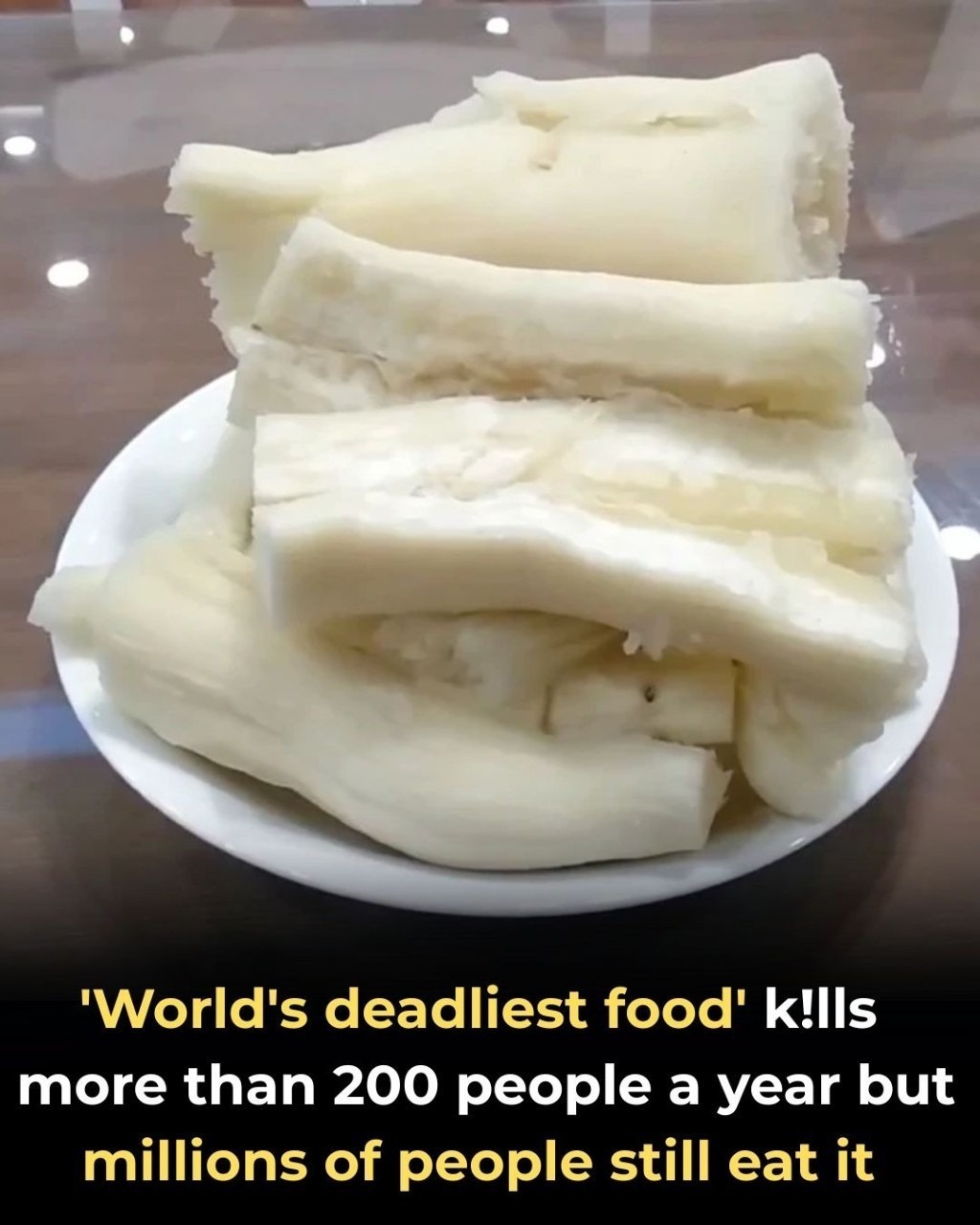
The WHO links konzo outbreaks to war, drought, and poverty—when people skip proper preparation to save time or fuel.
How to Make Cassava Safe: Traditional Wisdom Saves Lives
For centuries, communities have used time-tested methods to detoxify cassava:
1. Peeling
Remove the toxic outer skin (where most cyanide concentrates).
2. Soaking
Submerge peeled roots in water for 18–24 hours—allows enzymes to break down toxins.
4. Thorough Cooking
Boil, roast, or bake until completely tender—heat destroys residual cyanide.
🔥 Critical: Never eat cassava raw. Never skip peeling. Never rush the process.
🌱 Why Do Millions Still Rely on Cassava?
Despite the risks, cassava is irreplaceable because it:
Grows in poor soil and drought conditions
Stores well in the ground for months
Provides affordable calories in food-insecure regions
Serves as a lifeline during conflict or climate disasters
🕊️ In many cultures, cassava isn’t just food—it’s resilience on a plate.Groceries
🛑 When Danger Strikes: Lessons from History
Venezuela (2016–2019): During economic collapse, families ate under-processed cassava due to fuel shortages—leading to suspected konzo cases.
Democratic Republic of Congo: Repeated konzo epidemics linked to war-displaced populations using bitter cassava without proper tools or time.
These tragedies aren’t about the food—they’re about poverty, lack of education, and systemic vulnerability.
💡 How to Enjoy Cassava Safely (Even Outside Endemic Regions)
If you buy cassava at an international market:
Always choose sweet cassava (smaller, less fibrous)
Peel thoroughly
Soak 12+ hours in cold water
Boil in open pot (to let cyanide gas escape) for at least 20 minutes
Discard cooking water—never reuse
Never use cassava leaves or stems unless you’re trained—they contain even higher toxin levels.
🌟 The Bigger Picture
Cassava isn’t “deadly”—ignorance and desperation make it dangerous.
With proper knowledge, this ancient root remains one of humanity’s most vital crops—a symbol of survival, ingenuity, and cultural heritage.
“The same plant that can poison can also nourish—depending on the hands that prepare it.”
Have you cooked cassava before? What’s your favorite way to eat it? Share your experience below—we’re all learning to honor
ADVERTISEMENT

