
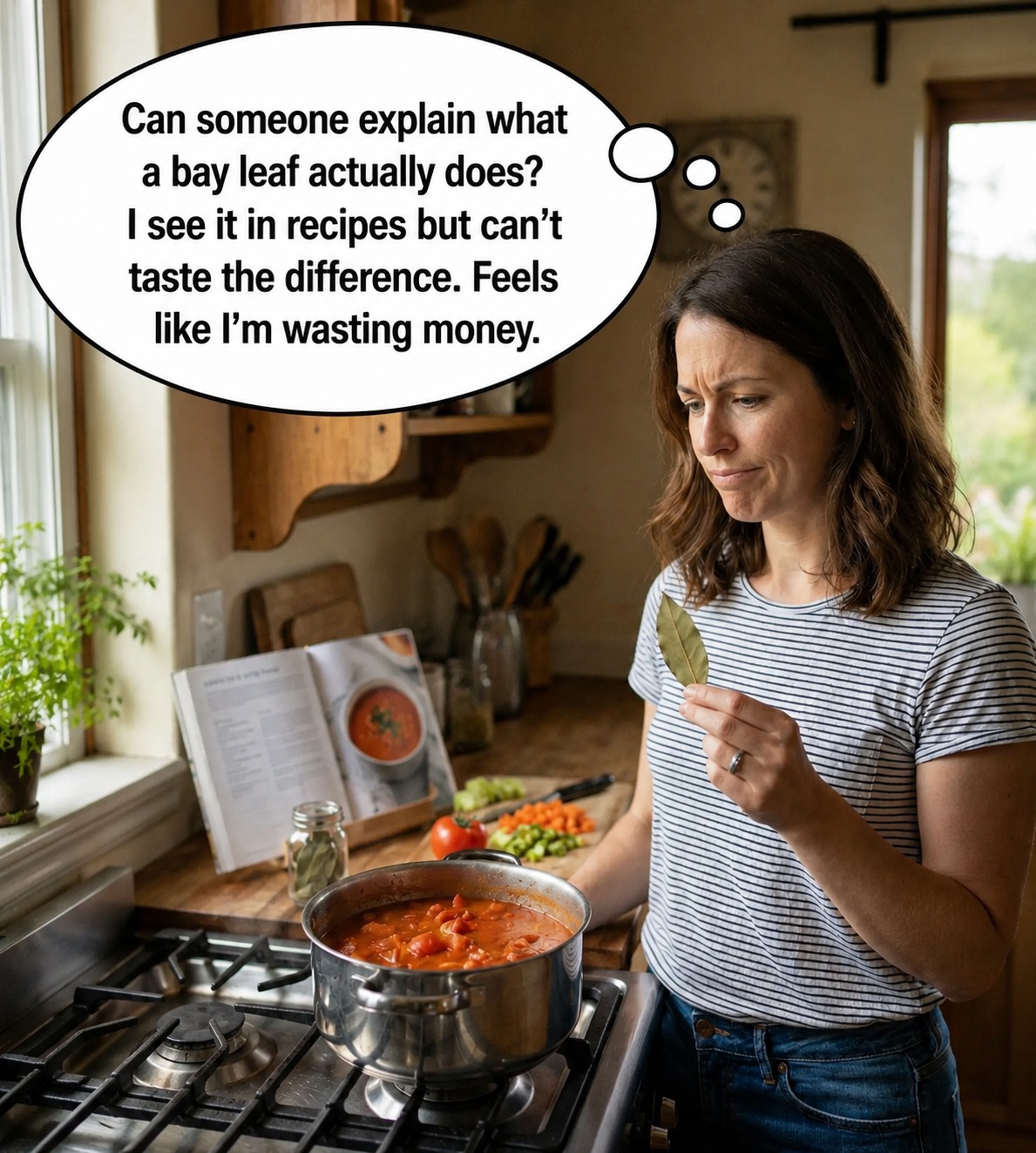
A few notable ones include:
Eucalyptol: Brings fresh, slightly minty and camphor-like notes
Eugenol: Adds warmth similar to clove
Myrcene: Gives a soft balsamic undertone
When heat meets liquid, these oils slowly release into the dish. Think of it like steeping tea — except the tea flavor never shouts.
This slow release is why bay leaves shine in recipes that simmer or braise. A quick sauté won’t give them enough time to speak up.
Why Slow Cooking Loves Bay Leaves So Much
If bay leaves had a favorite hobby, it would be hanging out in a pot for a long time.
Soups, stocks, chili, Tomato sauce, beans, braised meats — these dishes give bay leaves the patience they need. Over time, the leaf gently layers aroma into the background, helping savory notes feel deeper and more connected.
It’s subtle chemistry. Fat grabs aroma molecules. Acids sharpen them. Salt carries them across your tongue. Bay leaves quietly tie the whole team together.
Kind of like seasoning harmony rather than solo performance.
Where You’ll Meet Bay Leaves Around the World
Bay leaves travel well — culturally and literally.
You’ll find them in:
French cooking: Bouquet garni for soups and sauces
Italian kitchens: Tomato-based dishes and slow meat sauces
Indian recipes: Rice dishes, curries, and spiced broths
Caribbean and Southern U.S.: Gumbo, beans, seafood stews
Mediterranean cooking: Lentils, roasted vegetables, braised lamb
Different regions may use slightly different varieties of bay leaf, but the goal stays the same — background depth.
You know what? It’s kind of comforting how one humble leaf connects so many kitchens across continents.
“I Can’t Taste It” — And That’s Normal
Some people swear bay leaves change Everything. Others shrug and say they taste… nothing.
Both can be true.
Human taste sensitivity varies wildly. Some palates easily catch faint herbal notes, while others register only bold flavors like garlic, chili, or smoke. Bay leaves live in the subtle lane.
Also, bay leaves don’t taste great on their own. If you chew one (not recommended), it’s bitter and sharp — which explains why recipes always tell you to remove it before serving.
Their job isn’t to be chewed. It’s to whisper from the background.
Do Bay Leaves Add Nutrition?
Technically, yes — they contain vitamins like A, C, and small amounts of minerals.
Realistically? You’re using one dried leaf in a big pot. The nutritional impact is minimal. Bay leaves are flavor players, not health supplements.
Still, there’s something satisfying about knowing nature sneaks tiny benefits into even the smallest ingredients.
Can You Swap Them Out?
If you’re out of bay leaves, your dish won’t collapse into chaos — promise. Some cooks use thyme, oregano, or even a small strip of lemon peel as a stand-in.
But here’s the catch: each substitute brings its own personality. Thyme is more grassy. Oregano is bolder. Citrus adds brightness. The dish will still taste good, just different.
There’s no true replica for bay leaf’s particular blend of cool warmth and soft bitterness. It’s a one-of-a-kind character.
Storage Matters More Than You Think
Bay leaves don’t spoil easily, but they do fade.
Keep them:
In an airtight container
Away from heat and sunlight
In a dry cabinet
Fresh bay leaves smell stronger, but dried ones hold up well if stored properly. If your leaves smell like… well, nothing, it might be time to refresh your stash.
A quick sniff test works wonders.
Try This Tiny Kitchen Experiment
Curious if bay leaves actually make a difference for you? Here’s a simple way to find out.
Make a small batch of tomato sauce or broth. Split it into two pots:
Add a bay leaf to one
Leave the other plain
Simmer both for 30–40 minutes. Taste side by side.
Most people notice one version feels rounder, slightly more savory, maybe a touch smoother. Not dramatic. Just… nicer.
Sometimes small details quietly change the whole experience — cooking mirrors life that way.
So, Are Bay Leaves Worth Keeping Around?
Short answer? Yes.
Bay leaves won’t steal the spotlight. They won’t punch you with flavor. They won’t trend on social media like spicy chili crisp or fancy sea salt.
But they build atmosphere in food — depth, balance, quiet warmth. They help flavors settle into place rather than bump into each other awkwardly.
And honestly, that kind of behind-the-scenes work deserves some respect.
Next time you drop a bay leaf into a pot, maybe pause for a second. Think about ancient kitchens, slow simmering stews, generations of cooks trusting the same simple leaf. There’s something oddly grounding about that.
Sometimes the best ingredients don’t shout.
They simply stay.
ADVERTISEMENT

