
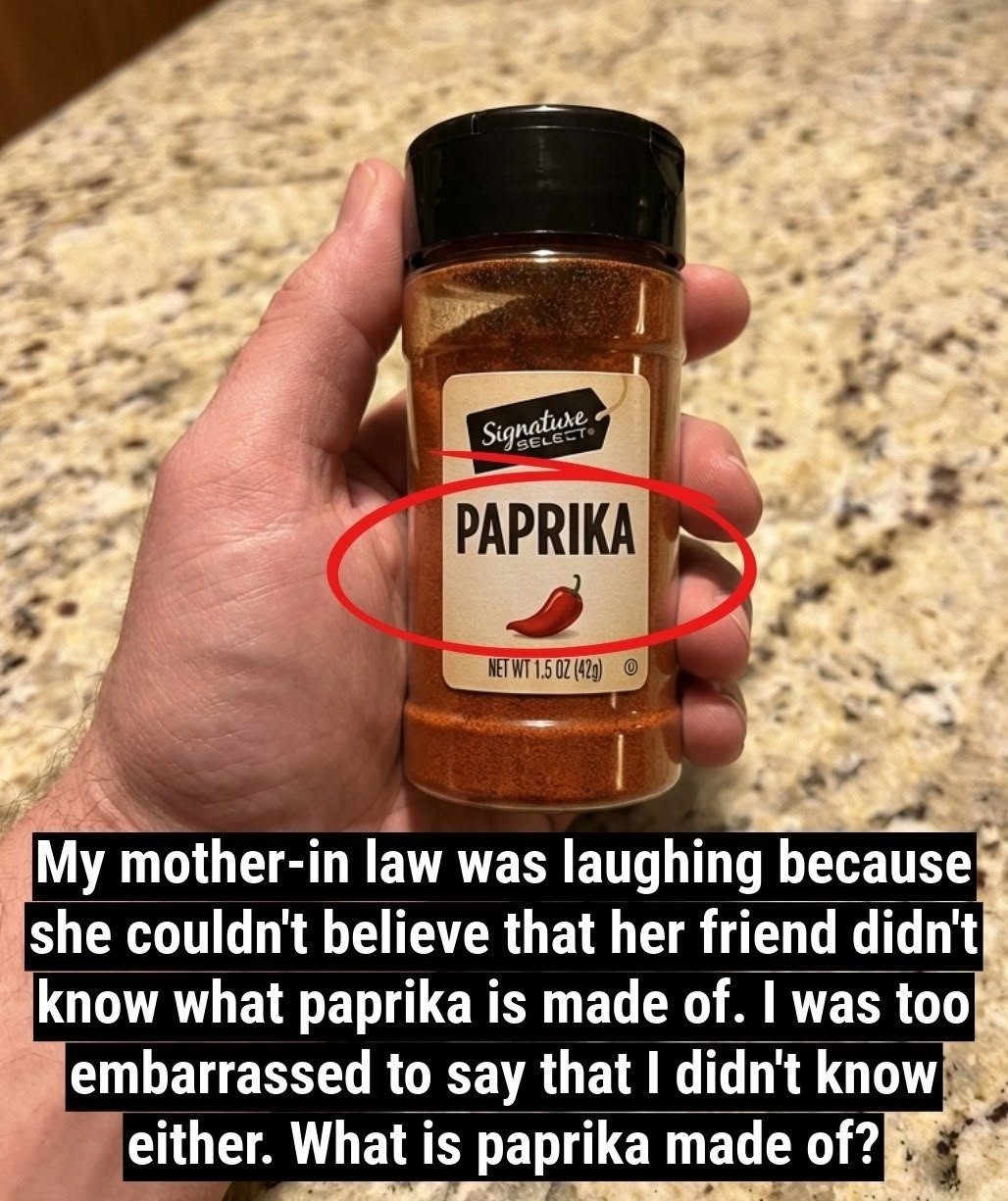
Not all paprika is created equal. Some cheap brands may contain fillers or lack potency. Here is how to pick the best jar:
Check the Label: It should say “Paprika” or “Ground Red Peppers.” Avoid vague terms like “Spice Blend” unless you know what else is in it.
Look at the Color: High-quality paprika should be a deep, vibrant red. If it looks dull, orange, or brown, it’s likely old or low quality.
Smell It: Fresh paprika has a sweet, peppery, and slightly fruity aroma. If it smells musty or has no scent at all, it’s lost its potency.
Choose Trusted Origins: Look for paprika from Hungary or Spain (for smoked). These regions have strict quality controls and centuries of tradition.
Buy in Small Quantities: Paprika loses its flavor and color quickly once opened. Buy small jars and replace them every 6 months.
💡 How to Store Paprika
To keep your paprika fresh and potent:
Store in a cool, dark place: Heat and light degrade the color and flavor. Keep it in a cupboard away from the stove.
Keep it airtight: Oxygen is the enemy of spices. Ensure the lid is tight.
Don’t store above the stove: The steam and heat from cooking will ruin the spice faster.
FAQs
Q: Is paprika spicy?
A: It depends on the type. Sweet paprika has little to no heat. Hot paprika has a moderate kick. Smoked paprika can be sweet, medium, or hot. Always check the label.
Q: Can I substitute paprika for cayenne pepper?
A: Not directly. Cayenne is much hotter. If a recipe calls for cayenne and you only have sweet paprika, you’ll miss the heat. If you have hot paprika, it’s a closer substitute, but still milder than cayenne.
Q: Is paprika gluten-free?
A: Pure paprika is naturally gluten-free. However, cross-contamination can occur in facilities that process wheat. If you have celiac disease, look for a certified gluten-free label.
Q: Why did my paprika turn brown?
A: Paprika oxidizes over time, losing its bright red color and turning brown. It’s still safe to eat, but it will have lost most of its flavor and antioxidant power. It’s time to buy a new jar.
Q: Can I make my own paprika?
A: Yes! If you have a dehydrator, you can dry red bell peppers or mild chili peppers and grind them in a spice grinder. Homemade paprika is incredibly fresh and flavorful.
The Bottom Line
Paprika is a simple, wholesome, and versatile spice made from nothing more than dried peppers. It is not made from bugs. That myth belongs to carmine, a completely different ingredient.
So, go ahead and reach for that red jar. Whether you’re sprinkling sweet paprika on deviled eggs, adding hot paprika to your chili, or using smoked paprika to elevate roasted carrots, you’re adding a boost of flavor, color, and nutrition to your meal.
Do you prefer sweet, hot, or smoked paprika? What’s your favorite dish to make with it? Share your recipes in the comments below!
ADVERTISEMENT

