
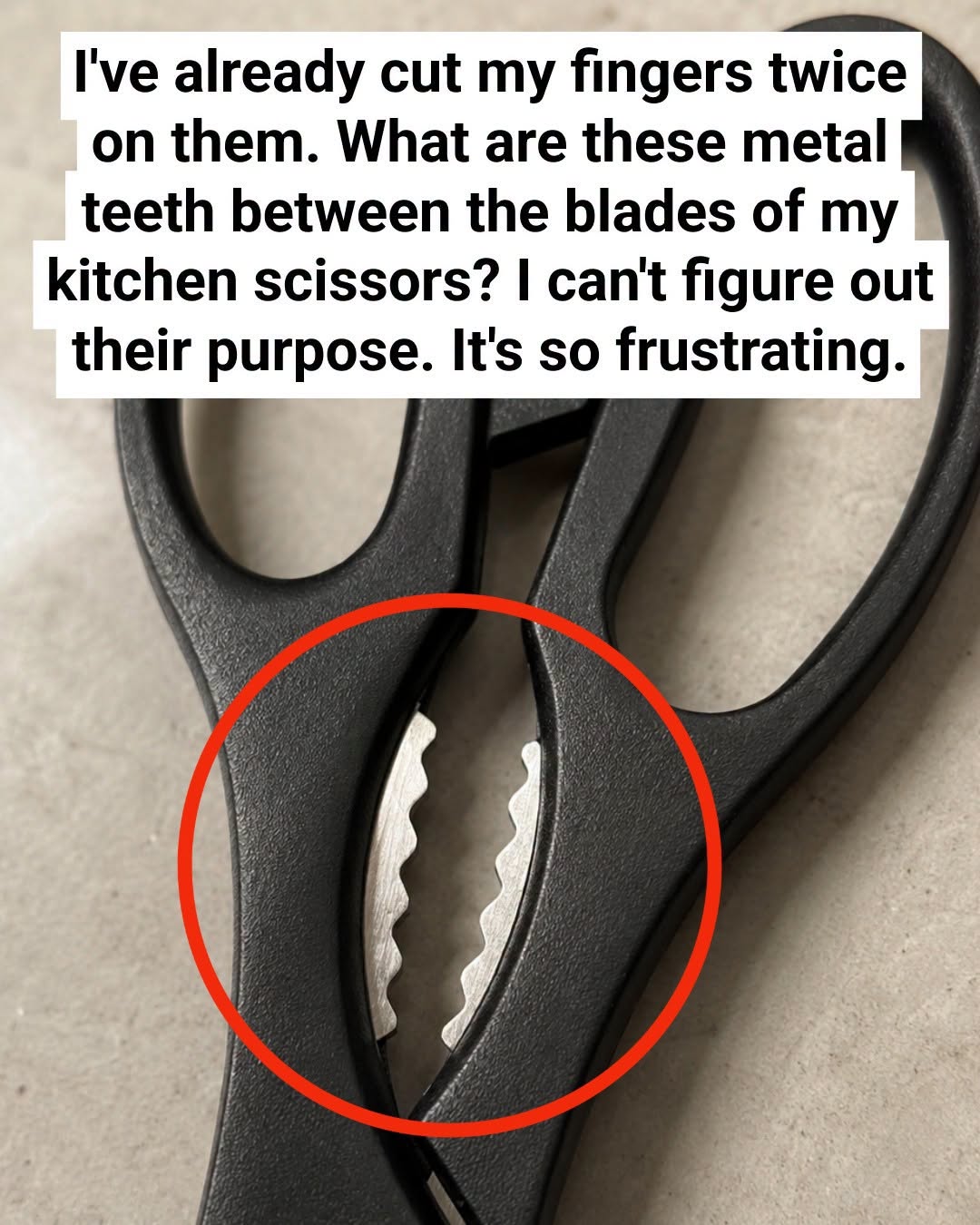
If you are baking a holiday cake or preparing a simple, nostalgic trail mix, you might need to crack walnuts, pecans, or hazelnuts. If you don’t have a dedicated nutcracker, your kitchen shears are the perfect substitute.
How to do it: Place the nut securely in the notch between the teeth. Gently squeeze the handles together. The serrated edges will grip the smooth shell and crack it open perfectly, without shattering the nut inside into useless crumbs like a hammer might.
Trick #3: Crack Crab Legs and Lobster Claws
Seafood nights are a wonderful treat, but cracking slippery, hard shells can be a messy chore. The serrated notch on your shears is essentially a built-in seafood cracker.
How to do it: Place a crab leg joint or a lobster claw into the teeth. Squeeze firmly. The ridges will grip the slippery shell and crack it cleanly, giving you perfect access to the sweet meat inside without crushing it.
Trick #4: Conquer Stubborn Clamshell Packaging
We’ve all battled those thick, hard plastic “clamshell” packages that hold everything from kitchen gadgets to berries. Regular scissors often slip off the smooth plastic, or the plastic is so thick it hurts your hand to cut through it.
How to do it: Place the edge of the plastic packaging into the serrated notch. Squeeze the handles to lock the plastic in place, then snip. The teeth will hold the slick plastic firmly, allowing the blades to slice through it cleanly and safely.
Trick #5: Pull Tight Vacuum-Sealed Bags
When you are portioning out meats or cheeses for the freezer, vacuum-sealed bags are a lifesaver. But opening them can be a tear-inducing struggle.
How to do it: Grip the very top edge of the sealed bag in the serrated notch, squeeze, and pull upward. The teeth will grab the thick plastic and tear the seal open perfectly straight, without risking your knife slipping and puncturing the bag (and spilling your food).
🧼 A Quick Note on Maintenance
Because this notch is designed to grip food, it can easily trap tiny bits of onion skin, meat fibers, or dried dough.
The Fix: After cutting raw meat or sticky foods, open the scissors wide and use an old toothbrush or a wooden toothpick to gently scrub out the serrated teeth. Keeping this area clean ensures the metal doesn’t corrode and remains ready for your next kitchen rescue.
❓ Frequently Asked Questions
Q: Can I use the notch to open glass bottles (like soda or beer)?
A: No! While some heavy-duty shears claim to have a “bottle opener” notch, using the serrated teeth on a glass bottle is highly dangerous. The pressure can cause the glass to shatter in your hand. Stick to a proper metal bottle opener for glass.
Q: Will this ruin my expensive kitchen shears?
A: Not at all. This feature is intentionally forged into the metal (or heavily reinforced plastic) of the shears. It is designed to withstand significant pressure. Just don’t use it to pry open metal cans or bend thick wire, as that could misalign the main blades.
Q: Why do some cheap scissors have this notch but it breaks immediately?
A: On very low-quality scissors, the notch might just be molded plastic that isn’t structurally supported. If you use it for heavy gripping, it will snap. For tasks like opening jars or cracking nuts, always use high-quality, forged stainless steel kitchen shears.
For Complete Cooking STEPS Please Head On Over To Next Page Or Open button (>) and don’t forget to SHARE with your Facebook friends
ADVERTISEMENT

