
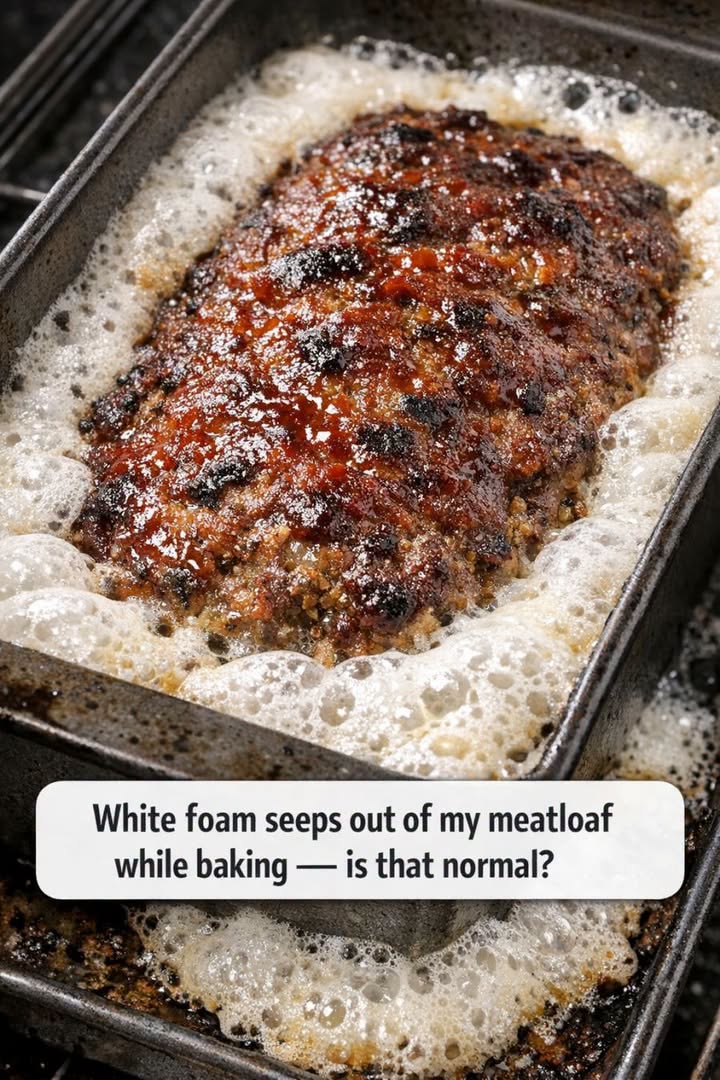
4. How Meat Type and Fat Content Affect White Foam Formation
The type of meat and its fat content play significant roles in the formation of white foam. Leaner meats, such as ground turkey or chicken, tend to produce less foam because they contain less fat. Conversely, meats with higher fat content, like ground beef or pork, are more likely to produce a noticeable amount of foam.
The ratio of fat to protein in your meat blend is also crucial. A higher fat-to-protein ratio can lead to more foam, as there is more fat to melt and emulsify with the proteins. Choosing a meat blend with around 80-85% lean meat can help strike a balance between flavor and foam production.
5. The Role of Binders, Eggs, and Milk in Creating (or Reducing) Foam
Binders like breadcrumbs, eggs, and milk are often used in meatloaf recipes to improve texture and flavor. They can also influence foam production. Eggs, for example, add additional proteins to the mixture, which can contribute to foam formation. However, they also help bind the meat together, potentially reducing the amount of protein that separates.
Milk, on the other hand, adds moisture and can help create a tender meatloaf. It can also dilute the concentration of proteins and fats, which might reduce the foam. Using binders correctly can help manage the texture and appearance of your meatloaf, minimizing foam while maintaining a moist, delicious result.
6. Why Baking Temperature and Pan Choice Matter
The temperature at which you bake your meatloaf can impact the amount of foam that forms. Higher temperatures can cause proteins and fats to react more rapidly, potentially increasing foam formation. Cooking at a moderate temperature, around 350°F (175°C), is generally recommended to allow the meat to cook evenly and reduce excessive foaming.
The choice of pan can also make a difference. A loaf pan with high sides may contain the foam, while a baking sheet allows it to spread out. Using a pan with a rack can help by allowing excess fat to drip away, reducing the amount available to mix with proteins and form foam.
7. Simple Prep Tricks to Minimize White Foam Before Baking
One effective method to reduce foam is to pre-cook the meat slightly before forming the loaf. Sautéing the ground meat briefly can help render some of the fat and denature proteins before baking, reducing foam.
Another trick is to mix your ingredients gently. Over-mixing can introduce air and further expose proteins, leading to more foam. Combining the ingredients just until they are incorporated can help maintain a tighter meatloaf structure, with less chance for proteins and fats to separate.
For Complete Cooking STEPS Please Head On Over To Next Page Or Open button (>) and don’t forget to SHARE with your Facebook friends
ADVERTISEMENT

