
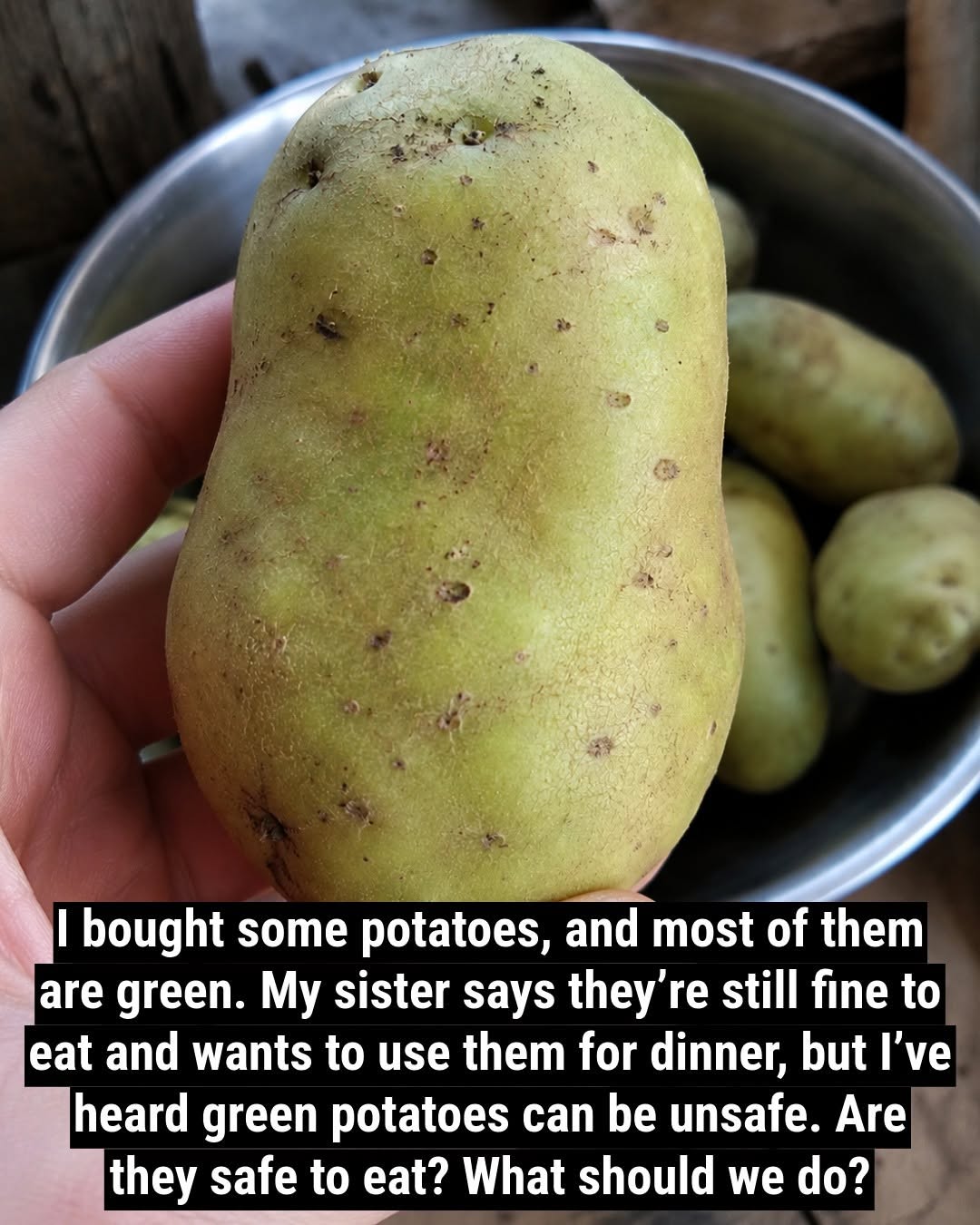
❓ FAQs: Your Potato Questions, Answered
Q: Can I eat green potato chips or fries?
A: Commercially produced chips and fries are made from potatoes screened for greening. If you make your own and notice green spots, trim them thoroughly before slicing.
Q: Does organic potatoes turn green less often?
A: No. Greening is triggered by light exposure, not farming method. Organic and conventional potatoes behave the same way in storage.
Q: Why do some potatoes turn green faster than others?
A: Thin-skinned varieties (like red or new potatoes) are more susceptible than thick-skinned russets. Damage during harvest or handling also accelerates greening.
Q: Can I compost green potatoes?
A: Yes! Solanine breaks down in compost. Just avoid feeding green potato scraps to pets or livestock, as they can be sensitive to glycoalkaloids.
Q: Do sweet potatoes turn green too?
A: Rarely. Sweet potatoes are from a different plant family (morning glory, not nightshade) and don’t produce solanine. However, they can still spoil or develop mold—store them similarly: cool, dark, dry.
Q: If I accidentally ate a green potato, should I worry?
A: If you had only a small amount and feel fine, you’re almost certainly okay. Symptoms (if they occur) usually appear within a few hours. If you experience nausea, vomiting, or unusual symptoms, contact a healthcare provider.
Q: How long do potatoes last in storage?
A: Properly stored:
New potatoes: 1–2 weeks
Mature potatoes: 2–3 months
Avoid storing near apples or bananas (ethylene gas speeds sprouting)
♻️ Reduce Waste, Stay Safe: Smart Potato Practices
You don’t have to choose between food safety and food waste. Try these strategies:
✅ Buy only what you’ll use in 2–3 weeks to avoid long-term storage issues
✅ Check potatoes at the store: Avoid bags with visible greening or sprouting
✅ Rotate your stock: Use older potatoes first (first in, first out)
✅ Repurpose slightly green potatoes: If peeled well, use in soups or stews where flavor is blended
✅ Freeze extras: Cook and mash potatoes, then freeze in portions for quick future meals
✅ Grow your own: Harvest as needed, and store in a dark root cellar or cool closet
🌍 Sustainability note: About 30% of food produced globally is wasted. Smart storage and mindful prep help you enjoy potatoes safely while reducing waste.
💙 A Compassionate Closing Thought
If you’ve ever tossed a green potato and felt a pang of guilt—or eaten one and worried afterward—please know:
🥔 You’re not alone. This is one of the most common kitchen dilemmas.
🥔 Caution is wisdom. Choosing safety over saving a few cents is always the right call.
🥔 Mistakes happen. If you accidentally ate a green spot and feel fine, you’re almost certainly okay. Breathe. Learn. Move on.
🥔 Food is meant to nourish, not stress. A little knowledge turns uncertainty into confidence.
Potatoes are humble, versatile, and deeply nourishing. With a few simple storage habits and a mindful eye, you can enjoy them safely for years to come.
And if you do find a green one? Peel with care, trust your senses, and remember: it’s just a potato. You’ve got this.
🧭 The Bottom Line
Potatoes turn green due to light exposure, which triggers chlorophyll (harmless) and solanine (a natural toxin).
Remember:
🌿 Green = chlorophyll (safe) + possible solanine (caution)
🔪 Peel deeply and remove all green areas to reduce risk
🗄️ Store potatoes in a cool, dark, well-ventilated place to prevent greening
🚫 Cooking does not destroy solanine—preparation does
💙 When in doubt, throw it out. Your health is worth more than a potato
So the next time you spot a green spud, don’t panic. Assess. Peel wisely. Or compost without guilt.
However you choose to handle it, may your meals be safe, satisfying, and stress-free.
Have you ever dealt with a green potato? What’s your best tip for storing produce to reduce waste? Share your kitchen wisdom respectfully in the comments below! 🥔
ADVERTISEMENT

