
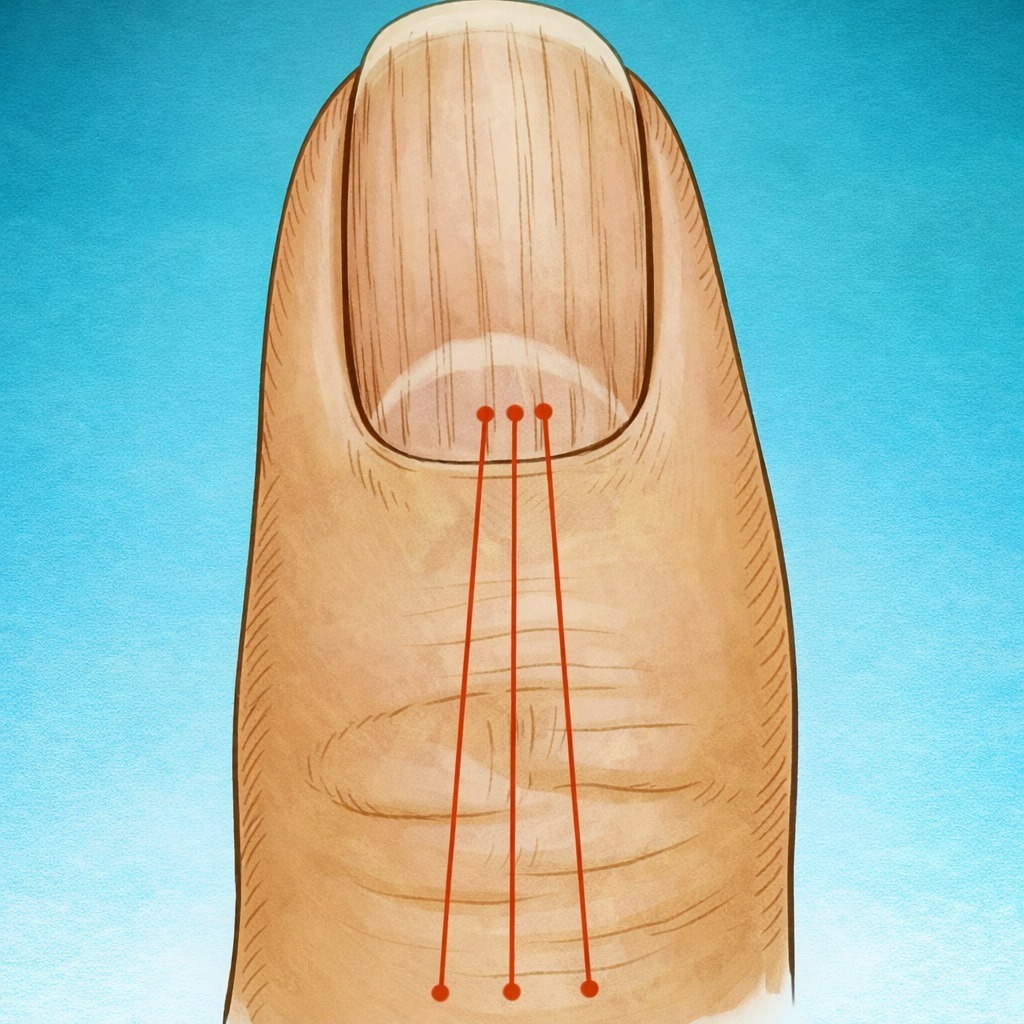
HomeWhy Vertical Lines on Your Nails Often Appear With Age
Why Vertical Lines on Your Nails Often Appear With Age
As we age, everything slows down—including nail production. The nail matrix doesn’t produce keratin as efficiently, leading to uneven surfaces.
2. Changes in Cell Turnover
The rate at which new nail cells are produced and pushed forward becomes less consistent with age.
3. Decreased Moisture
Nails, like skin, become drier with age. This can make existing ridges more noticeable.
4. Cumulative Environmental Exposure
Decades of exposure to water, chemicals, and minor trauma can affect nail texture over time.
When Vertical Ridges Are Normal
You generally don’t need to worry if:
They appear gradually as you age
They’re on all nails (not just one)
They’re not accompanied by discoloration
Your nails aren’t brittle, splitting, or painful
You have no other symptoms
Most people over 40 have some degree of vertical nail ridges. They’re as normal as gray hair and laugh lines.
When Ridges Might Signal Something More
While vertical ridges are usually harmless, certain patterns deserve attention:
1. A Single Prominent Ridge
If one nail develops a deep ridge while others remain smooth, it could indicate trauma to that nail matrix or, rarely, a growth.
2. Ridges with Discoloration
Yellow, green, or black discoloration along with ridges could indicate fungal infection or other issues.
3. Sudden Onset
If ridges appear suddenly on multiple nails, especially if accompanied by other symptoms, it’s worth investigating.
4. Ridges with Nail Changes
Splitting, crumbling, or pitting along with ridges may indicate underlying conditions.
What Else Causes Vertical Nail Ridges?
Nutritional Deficiencies
While age is the most common cause, certain deficiencies can contribute:
Iron deficiency – Can cause brittle nails with ridges
B vitamin deficiencies – Especially B12
Protein deficiency – Nails are made of protein
Dehydration
Dry nails are more likely to show ridges. Hydration matters—both drinking water and moisturizing nails.
Trauma
Injury to the nail matrix can cause permanent ridges on that nail.
Medical Conditions
Less commonly, vertical ridges can be associated with:
Thyroid disorders
Anemia
Eczema or psoriasis (which can cause pitting as well)
Connective tissue disorders
How to Minimize the Appearance of Vertical Ridges
1. Moisturize Regularly
Use cuticle oil or hand cream daily. Well-moisturized nails look smoother and healthier.
2. Buff Gently
Light buffing can smooth surface ridges. But be gentle—over-buffing thins nails.
3. Use a Ridge-Filling Base Coat
If you wear nail polish, a ridge-filling base coat creates a smooth surface.Skin & Nail Care
4. Stay Hydrated
Drink plenty of water. Hydration affects nail health.
5. Eat a Nutrient-Rich Diet
Focus on:
Iron – Leafy greens, red meat, beans
B vitamins – Eggs, dairy, whole grains
Protein – Lean meats, fish, legumesHealth
Biotin – Eggs, nuts, sweet potatoesDairy & Eggs
6. Protect Your Nails
Wear gloves when doing dishes or using harsh chemicals.
When to See a Doctor
Make an appointment if:
Ridges appear suddenly on multiple nails
One nail develops a deep ridge while others remain smoothVitamins & Supplements
Ridges are accompanied by discoloration (yellow, green, black)
Nails are splitting, crumbling, or painful
You have other unexplained symptoms (fatigue, weight loss, skin changes)
A Note on Horizontal Ridges
Horizontal ridges (running side to side) are called Beau’s lines and are more concerning than vertical ridges. They indicate a temporary interruption in nail growth caused by:
Severe illness or feverSkin & Nail Care
Chemotherapy
Malnutrition
Major stress or trauma
If you notice horizontal ridges, see a doctor.
The Bottom Line
Those vertical lines on your nails are usually nothing to worry about. They’re simply a sign that you’ve lived long enough for your nails to show it—like laugh lines for your fingers.Health
Your nails are telling the story of your life. Most of the time, that story is perfectly normal.
But if you notice sudden changes, unusual patterns, or other symptoms, it’s always worth a conversation with your doctor.
ADVERTISEMENT

