
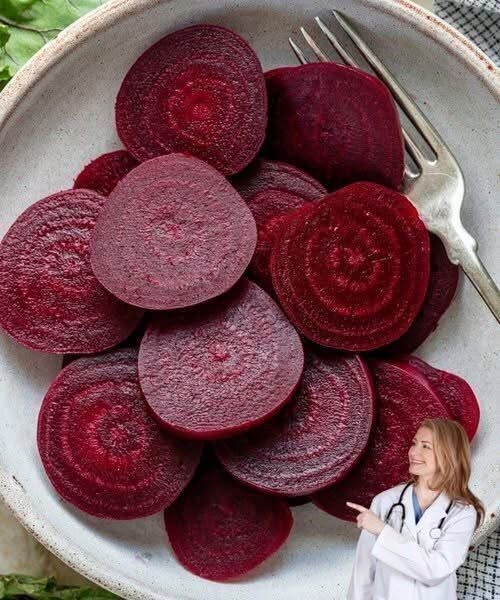
Why Beets Are a Healthy Superfood: Benefits for Heart Health, Digestion, and Daily Energy
Let me tell you about the vegetable I used to avoid at all costs.
Beets. Those deep magenta, earthy-smelling roots that stained everything they touched. As a kid, I picked them out of salads. As an adult, I walked past them in the produce aisle without a second glance. They were messy. They were intimidating. They tasted like dirt.
Then my doctor ran some routine blood work. My blood pressure was creeping up. Nothing alarming yet, but enough for her to suggest lifestyle changes.
“Eat more beets,” she said.
I laughed. “You’re serious?”
“Dead serious. Beets are one of the best natural sources of nitrates. They help lower blood pressure, improve athletic performance, and support liver function. Add them to your diet. You’ll notice a difference.”
I was skeptical. But I was also motivated.
I bought a bunch of fresh beets. I roasted them. I tossed them in a salad. I took a bite.
They were sweet. Earthy. Surprisingly delicious.
Now, beets are a regular part of my diet. And I have noticed a difference—in my energy, my digestion, and my blood pressure.
Let me walk you through what doctors say actually happens when you add beets to your diet.
🥬 First, What Are Beets?
Beets (also known as beetroot) are root vegetables that come in a range of colors: deep red, golden yellow, and even candy-striped (Chioggia beets). They’re rich in vitamins, minerals, and unique plant compounds that have been studied for their health benefits.
Nutritional Profile (Per 1 Cup Raw, About 136g):
Nutrient
Amount
% Daily Value*
Calories
58
—
Fiber
4g
16%
**Folate **(B9)
148 mcg
37%
Manganese
0.5 mg
22%
Potassium
442 mg
11%
Vitamin C
6.7 mg
8%
Iron
1.1 mg
6%
Magnesium
31 mg
6%
Nitrates
~250 mg
—
*Based on a 2,000-calorie diet
The Star Compound: Nitrates
For Complete Cooking STEPS Please Head On Over To Next Page Or Open button (>) and don’t forget to SHARE with your Facebook friends
ADVERTISEMENT

