
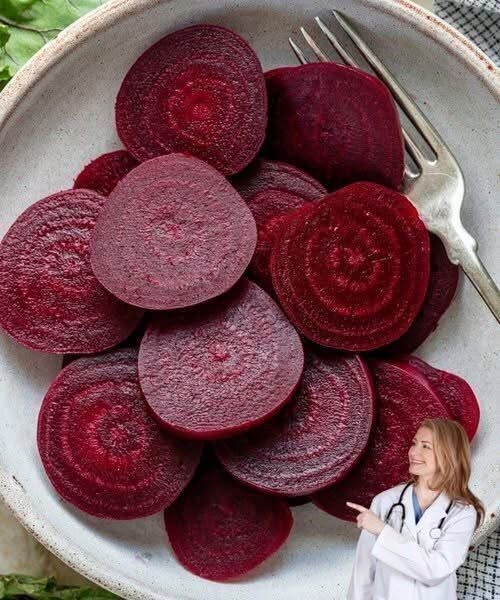
Beets are among the highest dietary sources of naturally occurring nitrates, which your body converts into nitric oxide—a molecule that relaxes and dilates blood vessels. This simple biochemical process is behind many of beets’ most celebrated benefits.
💡 Key insight: Unlike synthetic nitrates found in processed meats (which can form harmful compounds), the nitrates in beets come packaged with antioxidants and fiber that support healthy conversion to nitric oxide.
❤️ 8 Things That Happen When You Add Beets to Your Diet
Let me walk you through what the research says—backed by science, explained simply.
1. Your Blood Pressure May Decrease (Within Hours)
What happens: Dietary nitrates in beets convert to nitric oxide, which relaxes blood vessel walls, improving blood flow and reducing pressure.
What the research says:
✅ A meta-analysis in The Journal of Nutrition found that beetroot juice reduced systolic blood pressure by an average of 4–5 mmHg within 3–6 hours
✅ Effects are most pronounced in people with elevated blood pressure
✅ Benefits are sustained with regular consumption (daily or several times weekly)
Practical takeaway: One cup of roasted beets or 8 oz of beet juice may help lower blood pressure within hours. Consistency matters more than quantity.
🩺 Doctor’s note: If you take blood pressure medication, talk to your provider before significantly increasing beet intake. Combined effects could lower pressure too much.
2. Your Exercise Performance May Improve
What happens: Nitric oxide improves blood flow to muscles, enhances oxygen efficiency, and may delay fatigue during endurance activities.
What the research says:
✅ Studies show beetroot juice can improve time-to-exhaustion by 15–25% in cyclists and runners
✅ Benefits are most notable in moderate-to-high intensity exercise lasting 4–30 minutes
✅ Effects may be more pronounced in recreational athletes than elite performers
Practical takeaway: Drink beet juice or eat beets 2–3 hours before exercise for potential performance benefits. Start with small amounts to assess tolerance.
🏃 Pro tip: Combine beets with a source of vitamin C (like lemon juice) to enhance nitrate conversion and absorption.
3. Your Brain May Get a Boost
What happens: Improved blood flow from nitric oxide may enhance oxygen delivery to the brain, supporting cognitive function—especially in areas responsible for decision-making and memory.
What the research says:
✅ A study in Nitric Oxide found that older adults who consumed beet juice showed increased blood flow to the frontal lobe, an area involved in executive function
✅ Preliminary research suggests potential benefits for cognitive decline, though more studies are needed
✅ Effects appear modest but meaningful for long-term brain health
Practical takeaway: Including beets in your regular diet may support cognitive health as you age. Think of it as preventive maintenance for your brain.
🧠 Mindful note: Beets aren’t a “brain hack” for instant focus. Think long-term: consistent, nutrient-rich eating supports lifelong cognitive resilience.
4. Your Digestion May Improve
What happens: Beets are rich in fiber (both soluble and insoluble), which supports regular bowel movements, feeds beneficial gut bacteria, and promotes overall digestive health.
What the research says:
✅ One cup of beets provides ~4g of fiber—about 16% of daily needs
✅ Fiber supports the growth of beneficial gut bacteria, which produce short-chain fatty acids that protect colon health
✅ Regular fiber intake is linked to reduced risk of constipation, diverticular disease, and colorectal cancer
Practical takeaway: Add beets to meals gradually to allow your digestive system to adjust. Drink plenty of water to maximize fiber benefits.
🌿 Gut health tip: Pair beets with fermented foods (like yogurt or sauerkraut) for a synergistic prebiotic-probiotic effect.
5. Your Liver May Get Support
What happens: Beets contain betalains (the pigments that give them their vibrant color) and other compounds that may support liver detoxification pathways and reduce oxidative stress.
What the research says:
✅ Animal studies show beetroot extract may reduce liver inflammation and fat accumulation
✅ Human research is limited but promising; beets are part of liver-supportive dietary patterns (like the Mediterranean diet)
✅ Betalains have antioxidant and anti-inflammatory properties that may protect liver cells
Practical takeaway: While beets aren’t a “liver cleanse” miracle, they’re a valuable component of a liver-supportive diet rich in vegetables, whole grains, and lean proteins.
⚠️ Clarification: Your liver doesn’t need “detoxing” with special diets. It’s already highly efficient. Supporting it means reducing alcohol, processed foods, and excess sugar—not adding magic bullets.
6. Your Inflammation Levels May Decrease
What happens: Betalains and other antioxidants in beets help neutralize free radicals and reduce markers of chronic inflammation.
What the research says:
✅ A study in Phytotherapy Research found that beetroot juice reduced inflammatory markers like CRP and IL-6 in athletes
✅ Chronic inflammation is linked to heart disease, diabetes, and certain cancers; reducing it supports long-term health
✅ Effects are modest but meaningful as part of an overall anti-inflammatory lifestyle
Practical takeaway: Think of beets as one piece of an anti-inflammatory puzzle that also includes omega-3s, colorful produce, stress management, and quality sleep.
🔥 Inflammation insight: You can’t “eat away” chronic inflammation with one food. But consistently choosing anti-inflammatory foods creates cumulative benefits.
7. You Might Notice a Change in Your Urine or Stool (And That’s Okay)
What happens: Betalain pigments can pass through your digestive system unchanged, causing a harmless condition called beeturia (pink or red urine) or red-tinged stool.
What the research says:
✅ Beeturia occurs in about 10–14% of the population; it’s more common in people with iron deficiency or certain digestive conditions
✅ It’s completely harmless and resolves within 24–48 hours
✅ Not experiencing beeturia doesn’t mean beets aren’t working—pigment absorption varies by individual
Practical takeaway: If you notice pink urine after eating beets, don’t panic. It’s normal. If you’re concerned or have other symptoms (pain, fever, blood in urine), consult a healthcare provider to rule out other causes.
😌 Reassurance: Beeturia is like eating blueberries and seeing blue specks in your stool—it’s just your body processing colorful food. Nothing to worry about.
8. You May Feel More Energized (Without the Crash)
What happens: Improved blood flow, better oxygen delivery, and steady natural sugars provide sustained energy without the jitteriness or crash associated with caffeine or refined sugars.
What the research says:
✅ Nitric oxide’s role in improving mitochondrial efficiency may enhance cellular energy production
✅ Beets provide natural sugars paired with fiber, preventing blood sugar spikes
✅ Many people report subjective improvements in energy and mental clarity with regular beet consumption
Practical takeaway: Try adding beets to your morning smoothie or lunch salad for a gentle, sustained energy boost. Pair with protein and healthy fats for balanced nutrition.
⚡ Energy insight: True, lasting energy comes from consistent sleep, hydration, balanced meals, and stress management—not quick fixes. Beets can support that foundation.
🍽️ How to Add Beets to Your Diet (Without the Mess)
For Complete Cooking STEPS Please Head On Over To Next Page Or Open button (>) and don’t forget to SHARE with your Facebook friends
ADVERTISEMENT

