
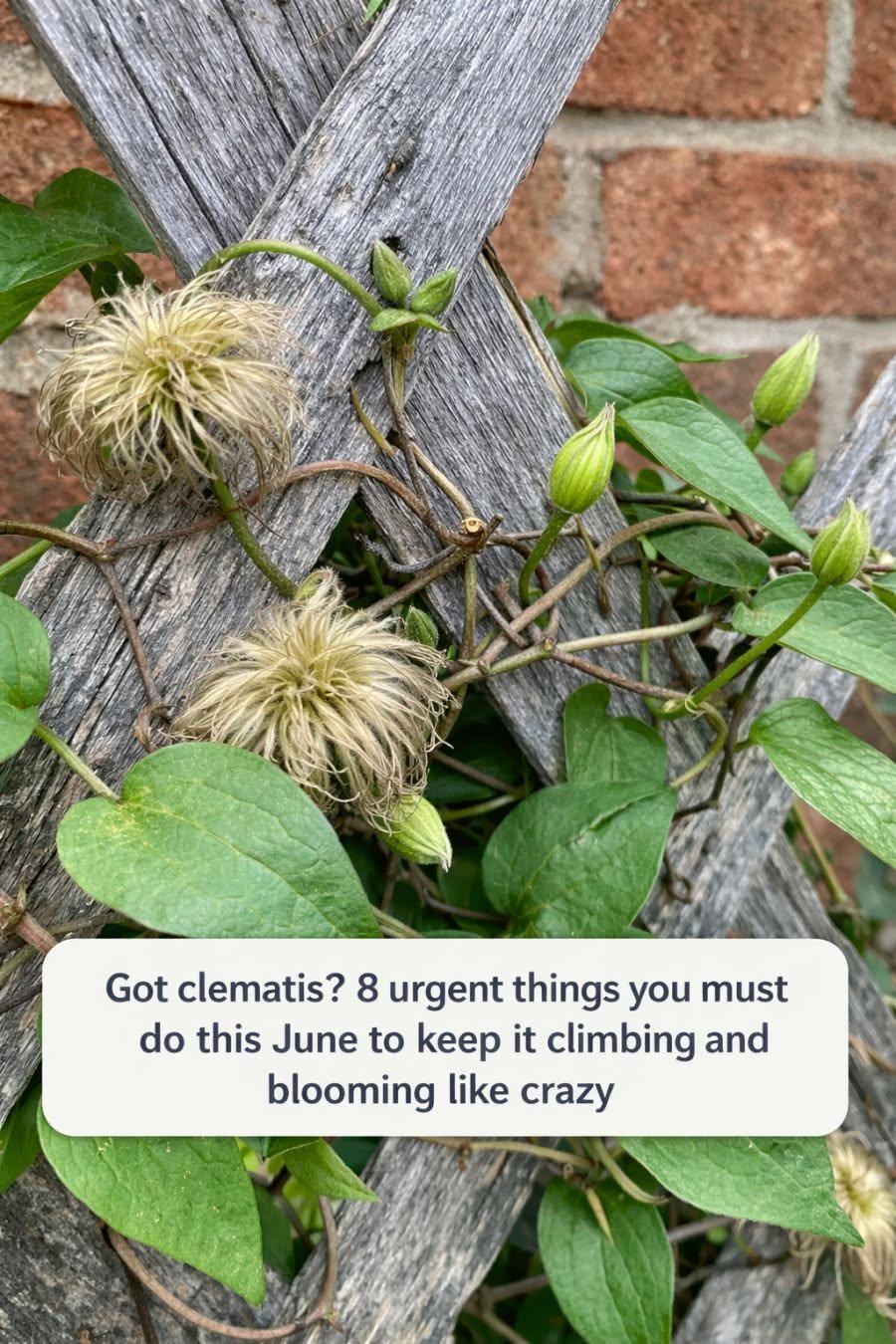
Clematis, often referred to as the ‘queen of climbers,’ is a beloved plant in many gardens for its stunning blooms and ability to transform a dull space into a vibrant tapestry of colors. These hardy climbers can flower from late spring into fall, providing a long-lasting display that delights gardeners and visitors alike. However, to achieve this spectacular show, clematis requires some specific care, especially as the summer months approach.
June is a pivotal month for clematis care. As the plant gears up for its peak blooming season, a few strategic steps can ensure that your clematis climbs vigorously and blooms prolifically. Whether you’re a seasoned gardener or a novice, these eight urgent tasks will help your clematis thrive and make your garden the envy of the neighborhood.
1. Give Your Clematis a Post-Spring Health Check
Start by inspecting your clematis for any signs of damage or disease. Look for broken stems, discolored leaves, or signs of pests. Remove any dead or diseased material to prevent the spread of infection. If you notice wilting leaves or stems, it could be a sign of clematis wilt, a fungal disease that requires immediate attention. Cut affected stems back to healthy growth and dispose of the infected material properly.
Check the plant’s overall structure and ensure that it is securely attached to its support. Clematis can become top-heavy, especially after a vigorous spring growth spurt. Use soft ties to gently secure any loose vines to prevent breakage.
2. Prune the Right Way for Your Clematis Type
Clematis are divided into three main groups based on their pruning needs. Group 1 clematis, which bloom on old wood, should not be pruned until after they have finished flowering. Group 2 varieties bloom on both old and new wood, so a light prune after the first flowering can encourage a second flush. Group 3 clematis, which flower on new growth, should be pruned hard in late winter or early spring.
In June, focus on removing spent flowers and deadheading to encourage more blooms. Be careful not to remove too much foliage, as this can stress the plant and reduce its vigor. Use clean, sharp pruning shears to make clean cuts and minimize the risk of disease.
3. Train New Vines Onto Supports Before They Harden
As clematis vines grow, they need guidance to climb their supports effectively. In June, the new growth is still pliable and can be trained onto trellises, arches, or fences. Gently weave the vines through the support structure, or use soft plant ties to secure them. Avoid using wire ties, which can cut into the stems and cause damage.
This is also a good time to assess the overall design and coverage of your clematis. If there are gaps in the foliage or areas where the plant is not climbing as desired, reposition the vines to fill in these spaces. Doing this now while the growth is young will save you from having to make more drastic adjustments later on.
For Complete Cooking STEPS Please Head On Over To Next Page Or Open button (>) and don’t forget to SHARE with your Facebook friends
ADVERTISEMENT

