
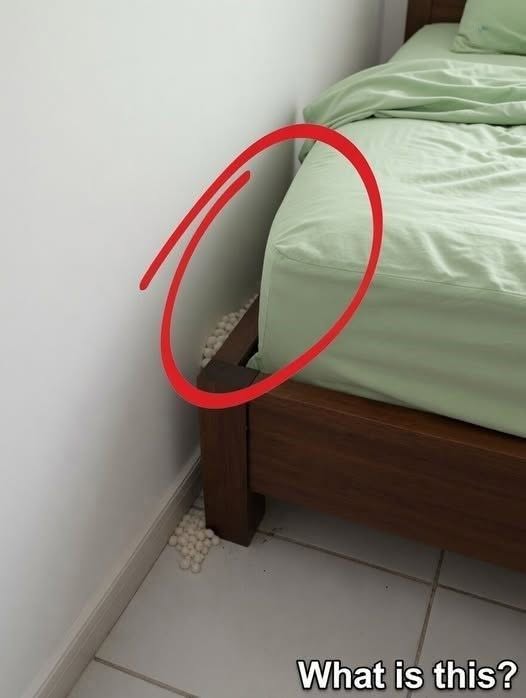
🦎 The Backstory: How Lizard Eggs End Up in Your Home:
We had seen lizards in the house before. Small, quick, harmless creatures that scurried across walls and ceilings. We usually shooed them outside and thought nothing of it.
Apparently, one of them had decided that the corner of our bedroom—the warm, quiet corner beside the bed frame—was the perfect place to lay her eggs.
Why Lizards Choose Homes as Nurseries:
Factor
Why It Appeals to Lizards
Stable temperature
Homes maintain consistent warmth, ideal for egg development
Protection from predators
Indoor spaces offer safety from birds, snakes, and larger reptiles
Humidity control
Bathrooms, kitchens, and bedrooms often have the moisture levels reptiles prefer
Undisturbed locations
Behind furniture, under beds, or in closets provide privacy for nesting
Abundant food sources
Homes attract insects (flies, moths, ants), which feed adult lizards and hatchlings
From a lizard’s perspective, my bedroom wasn’t an invasion—it was prime real estate.
I couldn’t even be mad. It was actually kind of impressive.
🤝 What We Did Next: The Right Way to Handle Reptile Eggs
If you ever find reptile eggs in your home, here’s what you should know—and what you should do.
Step 1: Identify the Species (If Possible)
Most house lizards are harmless and beneficial:
House geckos: Small, nocturnal, eat insects; common in warm climates
Anoles: Green or brown, diurnal, often found on walls and plants
Skinks: Smooth-scaled, fast-moving, often found in gardens but may wander indoors
✅ Action: Take a clear photo and consult a local wildlife expert, herpetological society, or extension office for identification.
Step 2: Decide Whether to Move the Eggs
Leave them if:
The location is safe (low traffic, away from pets, not likely to be disturbed)
You can cordon off the area temporarily
You’re comfortable sharing your space during incubation
Move them only if:
The eggs are in a high-risk location (near pets, children, or heavy foot traffic)
The area is prone to cleaning chemicals, extreme temperatures, or accidental crushing
⚠️ Critical warning: Reptile eggs are sensitive to orientation. Rotating them can kill the developing embryo. If you must move them, mark the top of each egg with a soft pencil before picking them up, and keep them in the same position during transfer.
Step 3: Create a Safe Incubator (If Needed)
If relocation is necessary:
Use a small, ventilated container (plastic deli cup with air holes works well)
Line the bottom with damp (not wet) vermiculite, sphagnum moss, or paper towels
Place eggs gently in the container, maintaining their original orientation
Keep at room temperature (70–80°F / 21–27°C), away from direct sunlight
Check moisture levels weekly; mist lightly if the substrate dries out
Step 4: Practice Patience
Reptile eggs can take weeks to months to hatch, depending on:
Species
Temperature (warmer = faster development)
Humidity levels
✅ Action: Mark your calendar to check on the eggs weekly. Avoid frequent handling, which can stress developing embryos.
🌱 The Waiting Game: What Happened Next
We decided to leave the eggs where they were. We blocked off the area with a small cardboard barrier to prevent accidental disturbance. We checked on them every few days.
For weeks, nothing happened. I started to forget they were there.
Then, on a warm Saturday morning, my husband called me into the bedroom. “Come see this.”
Two tiny lizards—each no bigger than my pinky finger—were sitting beside the empty eggshells. They were dark, almost black, with tiny translucent bellies. They looked up at us with enormous eyes, then scurried under the bed.
We never saw them again. But every time I see a small gecko on the wall, I wonder if it’s one of them.
🏡 How to Prevent Lizard Eggs in Your Home (If You Prefer)
If you’d rather not share your bedroom with reptile nurseries, there are humane, effective ways to discourage lizards from nesting indoors.
Prevention Strategies:
Method
How It Works
Notes
Seal entry points
Close gaps around windows, doors, pipes, and foundations
Use caulk, weatherstripping, or mesh screens
Reduce insect populations
Fewer bugs = less food for lizards
Use natural pest control; keep food sealed
Remove clutter
Eliminate hiding spots where lizards might nest
Store items off the floor; keep closets organized
Control humidity
Lizards prefer moist environments
Use dehumidifiers in damp areas; fix leaks promptly
Use natural deterrents
Certain scents repel lizards
Peppermint oil, garlic, or coffee grounds near entry points (reapply regularly)
Install outdoor lighting strategically
Bright lights attract insects, which attract lizards
Use yellow “bug lights” or motion-sensor fixtures away from entry points
🌿 Humane reminder: Most house lizards are beneficial predators that eat mosquitoes, flies, and other pests. If you can coexist peacefully, many people choose to welcome them as natural pest control.
For Complete Cooking STEPS Please Head On Over To Next Page Or Open button (>) and don’t forget to SHARE with your Facebook friends
ADVERTISEMENT

