
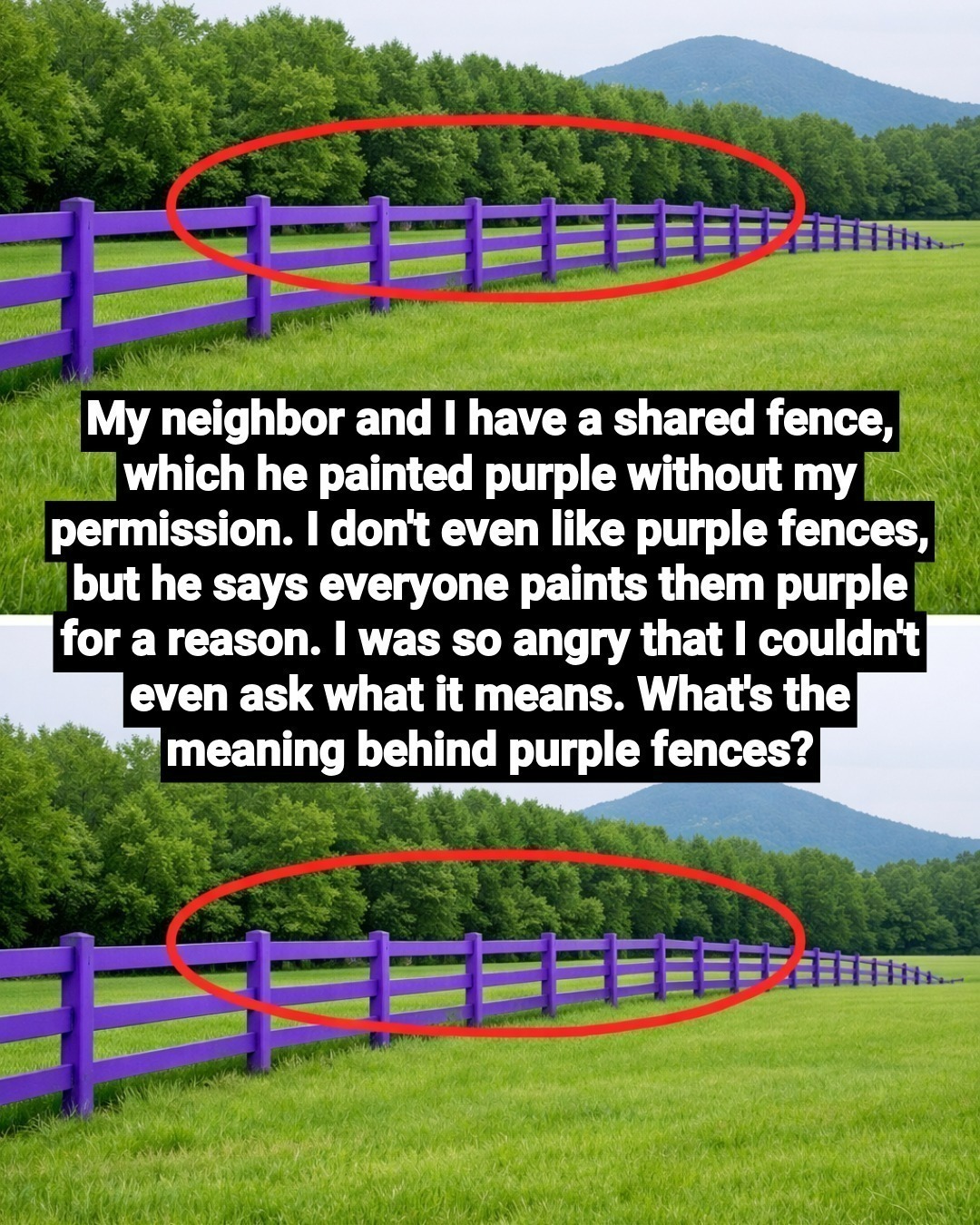
That bold stripe of purple paint on a fence post, tree trunk, or rock isn’t an artistic statement or a surveyor’s mark. In at least 22 U.S. states, it carries the full legal weight of a “No Trespassing” sign—no words required.
This is the Purple Paint Law, a practical and increasingly widespread solution designed to help landowners clearly mark property boundaries in remote, wooded, or rural areas where traditional signs may fade, rust, or disappear. For hikers, hunters, riders, and curious explorers, understanding this quiet signal is both a legal responsibility and a gesture of respect.
What the Purple Paint Law Means
In states that have adopted this statute, a vertical stripe of commercial-grade purple paint placed along a property line serves as legally enforceable notice that entry is prohibited. The law recognizes that in vast tracts of forest, farmland, or wilderness, posting individual signs at every boundary point is impractical. Purple paint offers a durable, highly visible, and cost-effective alternative.
States That Recognize Purple Paint as Legal Notice (as of 2026)
While specific regulations vary by jurisdiction, the following states officially recognize purple paint as a valid trespass deterrent:
Alabama
Arizona
Arkansas
Florida
Georgia
Idaho
Illinois
Indiana
Kansas
Maine
Maryland
Missouri
Montana
North Carolina
Oregon
South Carolina
Tennessee
Texas
Utah
Virginia
West Virginia
Wyoming
Note: A small number of states, such as Colorado, permit alternative colors like orange for similar purposes. However, purple remains the most widely adopted standard nationwide.
For Complete Cooking STEPS Please Head On Over To Next Page Or Open button (>) and don’t forget to SHARE with your Facebook friends
ADVERTISEMENT

