
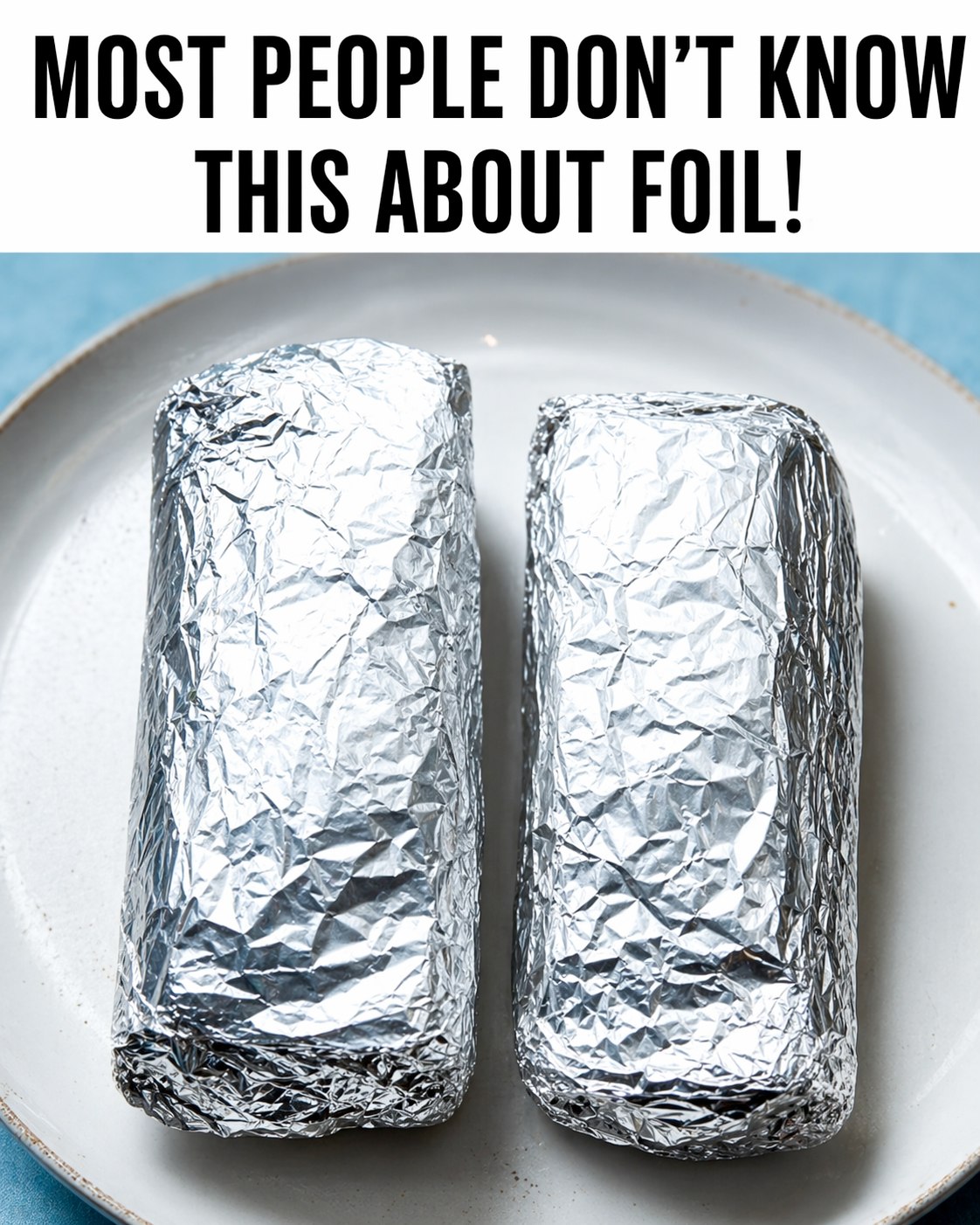
If you’ve ever stood in your kitchen, foil in hand, staring at it like it just insulted your mother, you’re not alone.
You’re wrapping leftovers or lining a pan, and suddenly—the question hits.
Wait… does it matter which side of the foil I use? Shiny side up or down? Am I doing it wrong?
I’ll be honest, I’ve heard this debate more times than I’ve burned toast (which is saying something). Some folks are adamant: shiny side out! Others swear by dull side down. And then there are those of us who just… wing it.
Well, today we’re putting that age-old mystery to bed once and for all—with a little science, a bit of common sense, and just enough kitchen know-how to help you feel like a pro.
So, Why Does Foil Have Two Sides?
Here’s the simple truth: the shiny and dull sides of Aluminum foil exist because of how it’s made—not because they serve different purposes.
Foil starts as big ol’ slabs of aluminum that get rolled out thinner and thinner (we’re talking whisper-thin). In the final step, two sheets are rolled together at the same time. The sides that touch the rollers get polished and shiny. The sides that face each other? They come out dull. That’s it.
No magic. No secret sauce. Just metal and machines doing their thing.
Does the Shiny Side Actually Work Better?
Ah, the million-dollar question. In short: nope, not really.
While the shiny side is a little more reflective—especially when it comes to heat—it’s not a game-changer for most of what you’re doing in the kitchen. The difference in reflectivity is small. Like… really small. We’re talking less than 10% difference, according to the material science folks.
So whether you’re baking potatoes or covering a casserole, it’s not going to make or break dinner.
When (If Ever) the Shiny Side Might Help
Okay, that said—there are a few little scenarios where the shiny side might give you a tiny edge. Emphasis on tiny.
Trying to reflect heat back into food? Like when you’re broiling something? Put the shiny side facing in.
Trying to keep heat away from something? Maybe when wrapping something delicate in a hot oven? Then shiny side out might make a smidge of a difference.
Trying to keep food warmer for longer? Wrap it with the shiny side facing out to reflect a bit of heat inward.
But again, we’re not talking about night-and-day differences here. This is “maybe it’ll help keep it warm for an extra five minutes” territory—not “ruin Thanksgiving dinner” territory.
Dull Side Love: It Has Its Moments Too
Honestly, most people who swear by the dull side aren’t thinking about heat at all—they just like that it’s easier to write on. Slap a date or a name on that leftover lasagna without the ink smearing or sliding off. That’s the kind of everyday detail I can get behind.
Also: if you’ve got really bright kitchen lighting, the dull side cuts down on glare. Shiny foil can practically blind you when it catches the light just right.
What About Non-Stick Foil?
Now here’s where sides actually do matter.
If you’re using that fancy non-stick aluminum foil (and I do love a sheet of it when I’m roasting sticky stuff), the non-stick coating is only on one side—and guess what? It’s the dull side.
So if you’re laying down non-stick foil, make sure the dull side is facing your food. Otherwise, you’ll be wondering why your cheese-crusted Chicken is stuck to the “non-stick” foil like it’s super-glued.
For Complete Cooking STEPS Please Head On Over To Next Page Or Open button (>) and don’t forget to SHARE with your Facebook friends
ADVERTISEMENT

