
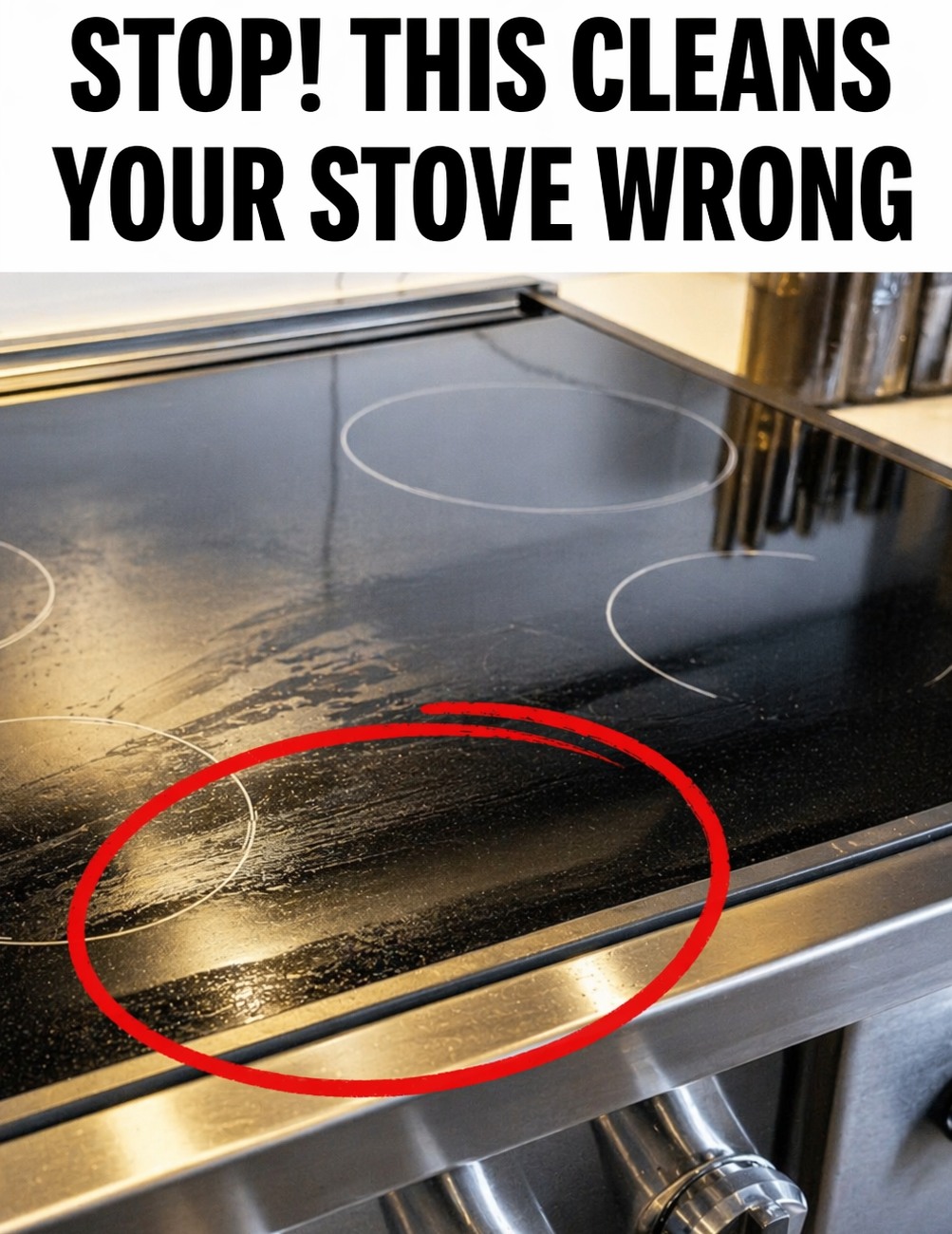
Common Mistakes People Make When Cleaning a Glass Stove Top
1. Using Abrasive Cleaners or Scrubbing Pads
I know how tempting it can be when you spot a tough mess and think, “Just a little elbow grease and my trusty steel wool will take care of this!”—but resist that urge, friend. Abrasive powders, harsh scrubbing pads, and steel wool have no business anywhere near your glass stove top. All they’ll really do is leave fine little scratches, and you’ll end up with a stovetop that looks cloudy and worn no matter how hard you clean (been there, not fun). Every scratch is a perfect hiding place for more gunk to set in, making future cleaning so much harder.
2. Cleaning While the Stove Is Hot
If you’re like me and like to tackle spills while the memory of dinner is still fresh, just make sure to give your stovetop time to cool first. Cleaning up a hot stove is actually a recipe for trouble: wet cleaners and heat can team up to leave behind hard-to-budge stains and, worse, could burn you or create a streaky mess that’s even Trickier to fix later. (Trust me, patience is worth it!)
3. Using Too Much Liquid Cleaner
It’s easy to think that dousing your stove top in cleaner will get it even cleaner, right? Unfortunately, covering it in suds or spray tends to leave behind a sticky, cloudy film that invites even more dust and grime. A little goes a long way. Overdoing it is one of the most Common culprits behind that dull, not-so-sparkly finish we all try to avoid.
4. Neglecting Regular Cleaning
I know life gets busy and it’s easy to put off cleaning “until it looks really bad.” But letting drips and greasy bits sit for days (or weeks—no judgment!) means they settle in for the long haul. Over time, that mess just gets baked on, and you’ll spend way more time scrubbing than if you’d given it a quick swipe here and there. Maintenance really is the trick to a happy glass stovetop.
The Right Way to Clean a Glass Stove Top: Baking Soda and Vinegar Method
Thankfully, you don’t need any fancy sprays or a cleaning caddy full of mystery bottles to make your stovetop shine. Some of my favorite pantry staples—baking soda and white vinegar—are really all you need. They’re budget-friendly, safe for your family (and the planet), and surprisingly powerful. If you run into a stubborn, burnt patch, you can even enlist a humble razor blade for help. I find it satisfying, honestly, and a lot more gentle than you’d expect!
For Complete Cooking STEPS Please Head On Over To Next Page Or Open button (>) and don’t forget to SHARE with your Facebook friends
ADVERTISEMENT

