
Final Thoughts
Cleaning a glass stove top doesn’t have to feel intimidating. If you’re gentle, use a little baking soda and vinegar, and steer clear of abrasive pads and chemical cleaners, your stovetop can stay gorgeously shiny for years to come. Imagine every time you walk into your kitchen, you’re met with a spotless stove—no scratches, no funky patches—just pure, home-cooked joy. Give this simple method a try next time, and you just might surprise yourself with how easy and satisfying it is. Honestly, it almost makes cleaning the oven fun (almost). Your glass stovetop is a big part of your cozy home, and with these tips, it can stay lovely and inviting, meal after meal.
FAQ
Do I need to remove the burner grates or drip pans before cleaning?
Great question! For glass stovetops, you typically don’t have removable grates or drip pans like you would with a gas or traditional electric stove. The beauty of glass tops is that it’s all one smooth surface. Just make sure any removable elements like burner rings or trim pieces are taken off if your model has them – check your manual if you’re not sure. The main thing is having a clear, flat glass surface to work with.
What if the baking soda and vinegar mixture starts bubbling up too much?
Don’t worry – that fizzing is totally normal and actually means it’s working! If it seems like a lot of bubbles, you probably just used a bit more baking soda than needed, which isn’t harmful at all. The reaction will calm down in a minute or two. If you’re concerned about the mess, just use a lighter hand with the baking soda next time – you really only need a thin dusting over the vinegar.
I’m nervous about using a razor blade – is there another way to handle stubborn spots?
I totally get that! The razor blade sounds scary but it’s really gentle when done right. That said, if you’re not comfortable with it, try letting the baking soda and vinegar sit longer – maybe 20-30 minutes instead of 15. You can also make a paste with baking soda and a tiny bit of water, let it sit on the tough spot, then gently work at it with a plastic scraper or even an old credit card. Sometimes patience and extra soaking time is all you need.
How often should I deep clean like this vs. just doing daily maintenance?
For most people, this deep clean method once a week or every other week is plenty, depending on how much you cook. Daily maintenance is super simple – just wipe down with a damp microfiber cloth after the stove cools down. If you cook a lot or have a big family, you might need the full baking soda treatment weekly. But honestly, if you stay on top of wiping spills right away, you can probably stretch the deep cleaning to every 2-3 weeks.
My stovetop looks clean but still has a cloudy film – what went wrong?
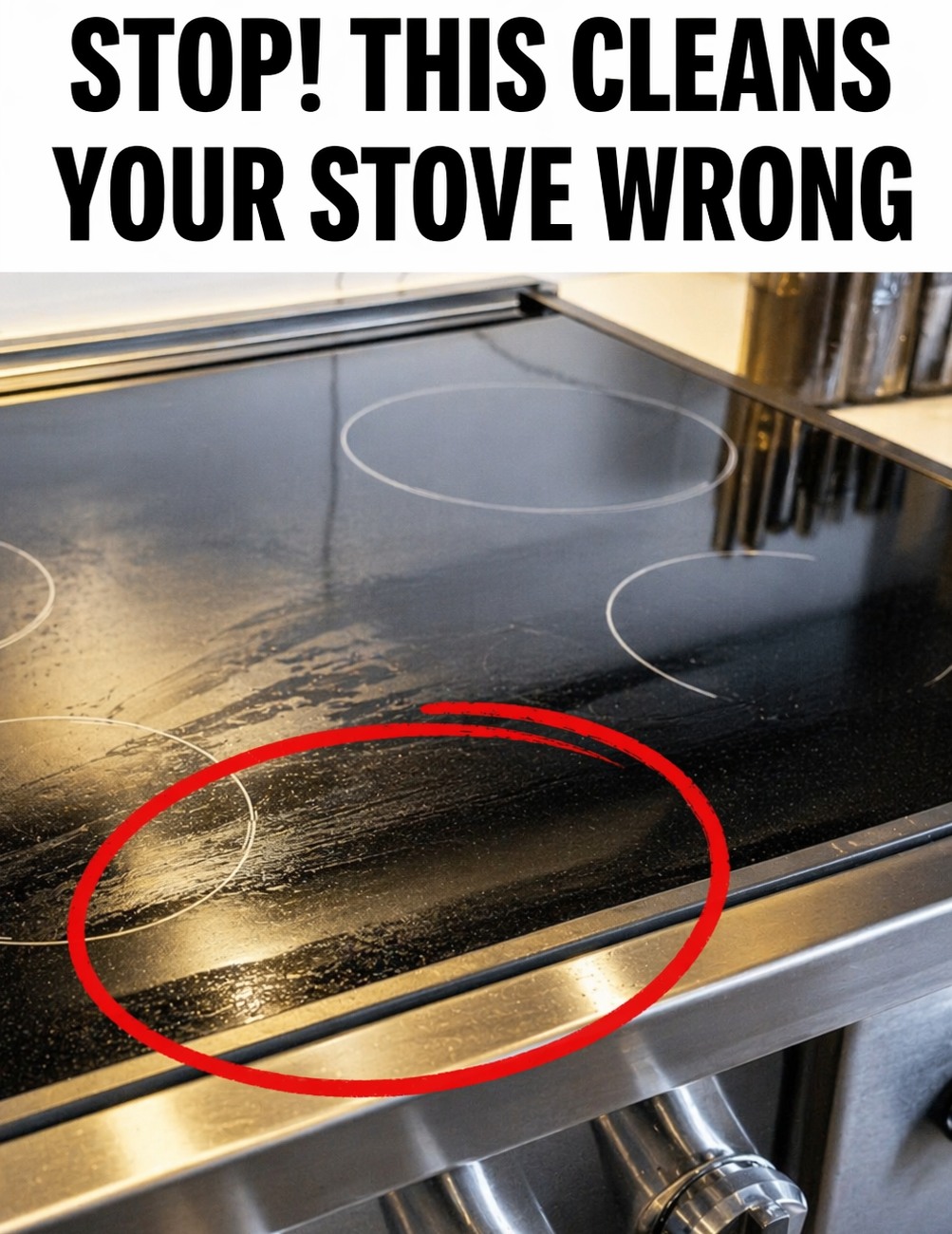
This usually happens when there’s leftover cleaner residue or if you used too much product. Try going over it one more time with just a damp microfiber cloth to remove any remaining vinegar or baking soda, then follow up with a completely dry cloth to polish. Sometimes it takes an extra wipe or two to get that crystal-clear shine back. Next time, use a bit less product and make sure you’re rinsing your cloth frequently while wiping clean.
ADVERTISEMENT

