
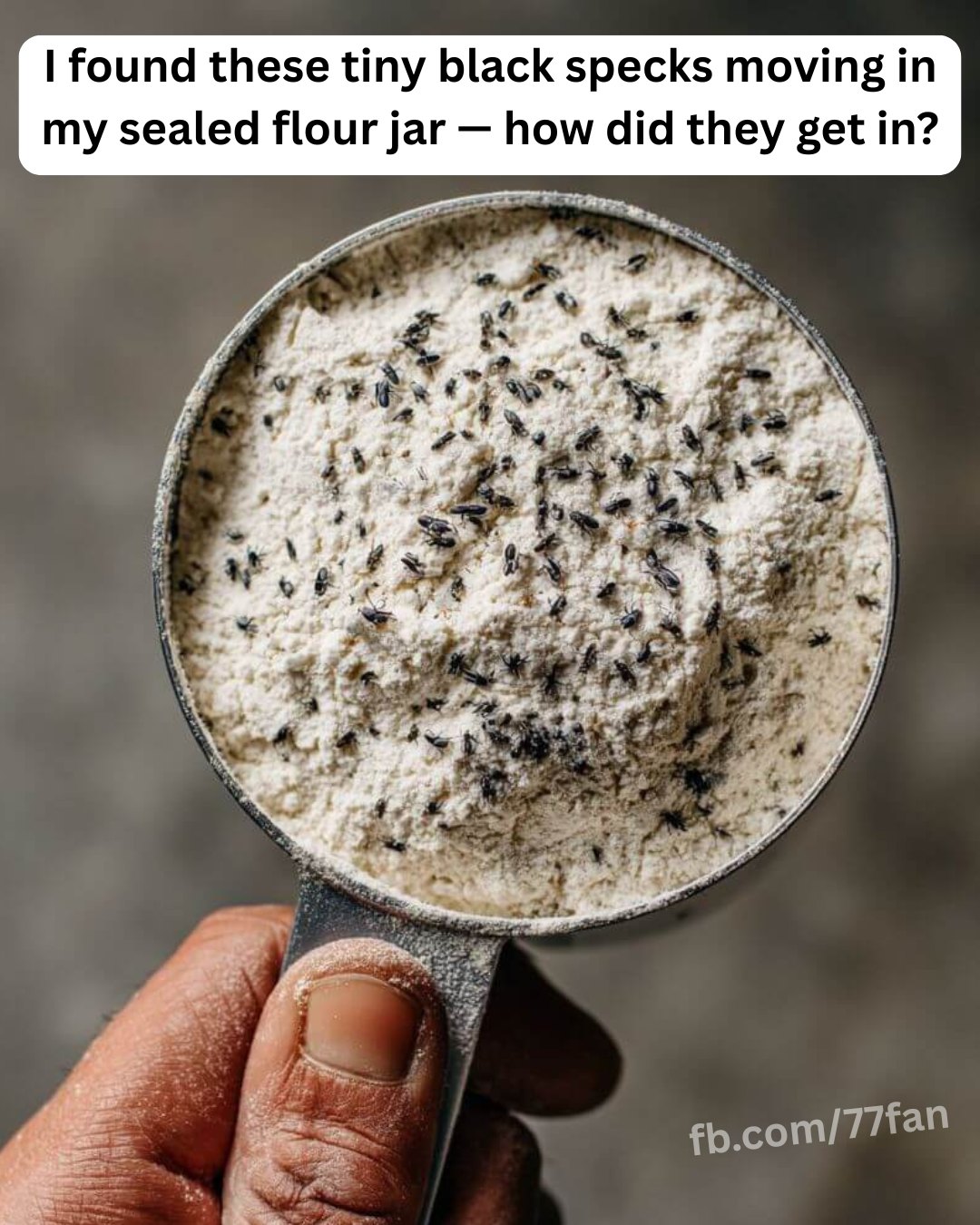
So take a few extra minutes:
Empty the entire pantry shelf
Vacuum corners, cracks, edges
Wipe surfaces with vinegar or mild bleach solution
Let everything dry completely before restocking
It’s a reset. And honestly, it makes a difference.
How to Stop This From Happening Again
Now for the part that actually saves you frustration later.
Because yes—you can prevent this.
Smart habits that work:
Buy smaller quantities (use them faster)
Check packaging for damage before buying
Choose fresher products when possible
Storage tricks that matter:
Use truly airtight containers (glass or thick plastic)
Store flour in a cool, dry place
Freeze flour for 48 hours after buying it
That last one? It’s a game-changer.
Freezing kills any hidden eggs before they have a chance to hatch.
When It Keeps Happening (Even After You Tried Everything)
If you’ve cleaned everything… replaced your flour… and they still come back?
That’s when it’s worth stepping back.
It could mean:
There’s an overlooked source (another grain product nearby)
The infestation has spread beyond one container
Or the environment itself is encouraging it
At that point, bringing in a professional isn’t overreacting—it’s practical.
The Takeaway Nobody Expects
Here’s the strange part.
Finding bugs in your flour doesn’t mean your kitchen is dirty.
It means you bought flour.
That’s it.
Because this issue starts long before your kitchen ever enters the picture.
But once it shows up, what you do next matters.
Handle it quickly. Clean thoroughly. Store smarter.
And next time you open that jar?
It’ll just be flour.
Exactly how it should be.
ADVERTISEMENT

