
🔥 Types of Paprika: Not All Are Created Equal:
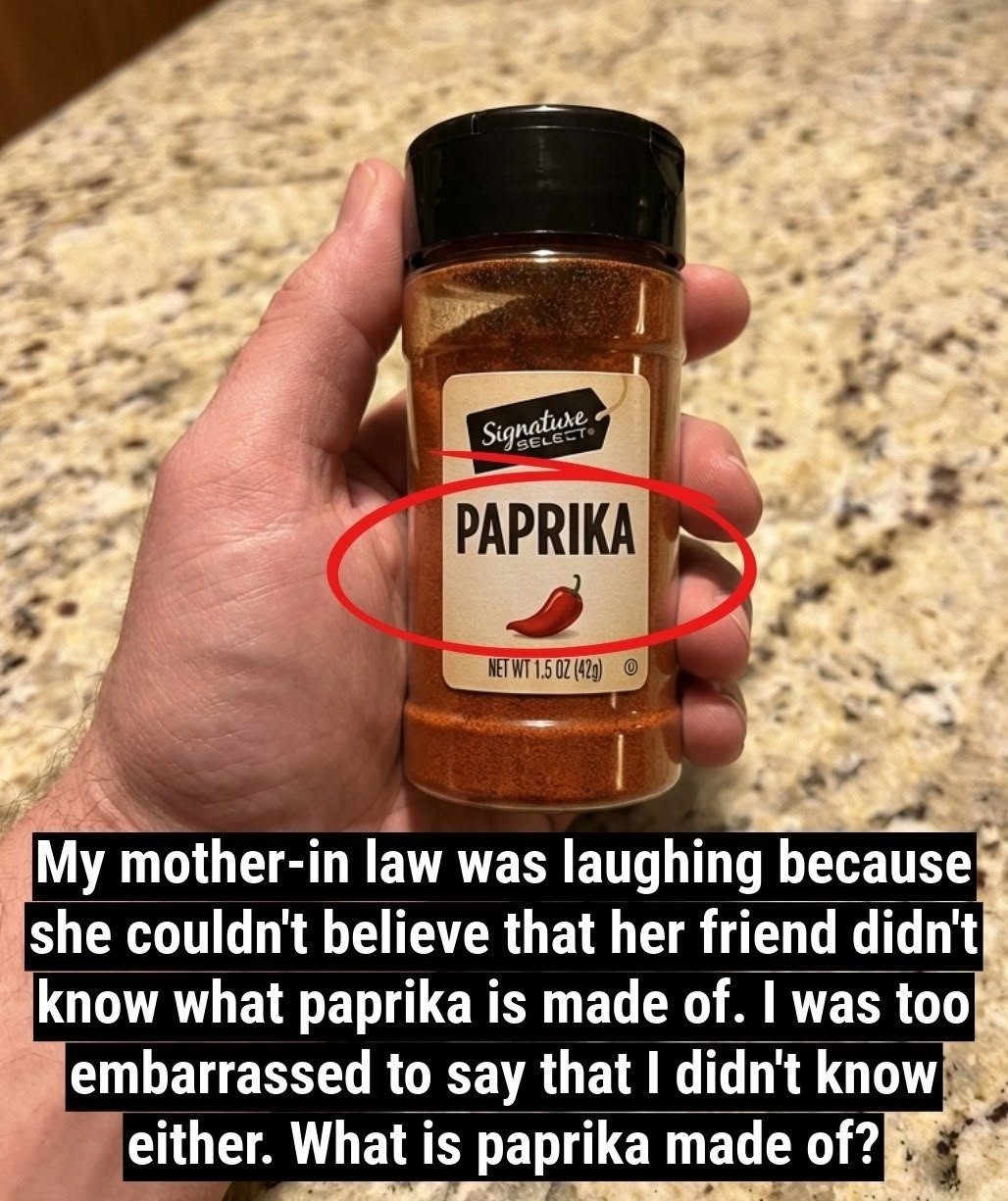
One reason people get confused about paprika’s flavor is that “paprika” is an umbrella term. The taste, heat level, and aroma depend entirely on the pepper variety and how it’s processed.
1. Sweet Paprika (Regular)
Flavor: Mild, slightly sweet, earthy.
Heat: None to very low.
Best For: Adding color to deviled eggs, potato salad, or garnishing soups without adding heat. This is the most common type found in U.S. grocery stores.
2. Hot Paprika
Flavor: Similar to sweet paprika but with a noticeable kick.
Heat: Moderate. Made from peppers that include more seeds and veins (where the capsaicin lives).
Best For: Goulash, chili, or any dish where you want both color and a bit of spice.
3. Smoked Paprika (Pimentón)
Flavor: Deep, woody, smoky, and rich.
Heat: Can be sweet (dulce), medium (agridulce), or hot (picante).
Process: The peppers are slow-dried over oak wood fires before grinding.
Best For: Paella, roasted vegetables, grilled meats, and adding a “bacon-like” depth to vegetarian dishes.
4. Hungarian Paprika
Hungary is famous for its paprika, which comes in eight distinct grades ranging from Különleges (special, mild, and sweet) to Erős (strong and hot). Hungarian paprika is often richer in flavor and color than generic supermarket brands.
🩺 Is Paprika Healthy?
Yes! Beyond adding color, paprika is a nutritional powerhouse. Because it’s made from whole peppers, it retains many of their health benefits.
Key Health Benefits:
Rich in Antioxidants: Paprika is packed with carotenoids, including beta-carotene, capsanthin, and lutein. These compounds help fight oxidative stress and inflammation in the body.
Supports Eye Health: The high levels of vitamin A and lutein are essential for maintaining good vision and preventing age-related macular degeneration.
Boosts Metabolism: Hot paprika contains capsaicin, the compound that gives chili peppers their heat. Capsaicin has been shown to slightly boost metabolism and aid in fat burning.
Anti-Inflammatory: The antioxidants in paprika can help reduce inflammation, which is linked to chronic diseases like heart disease and arthritis.
Low-Calorie Flavor Booster: You get a huge burst of flavor for very few calories, making it ideal for weight management.
📊 Calories & Nutrition Facts
Don’t let the vibrant color fool you—paprika is incredibly light.
Per 1 Teaspoon (approx. 2g):
Calories: 6
Carbohydrates: 1g
Fat: 0.3g
Protein: 0.3g
Vitamin A: ~15% of Daily Value (DV)
Vitamin E: ~10% of DV
It’s a great way to add taste to high-protein meals, roasted veggies, or eggs without increasing calorie intake.
🛒 How to Choose High-Quality Paprika
For Complete Cooking STEPS Please Head On Over To Next Page Or Open button (>) and don’t forget to SHARE with your Facebook friends
ADVERTISEMENT

